 The sheet, as you receive it
 In the room
Interior designers: BarTrade members buy at their trade price. How it works
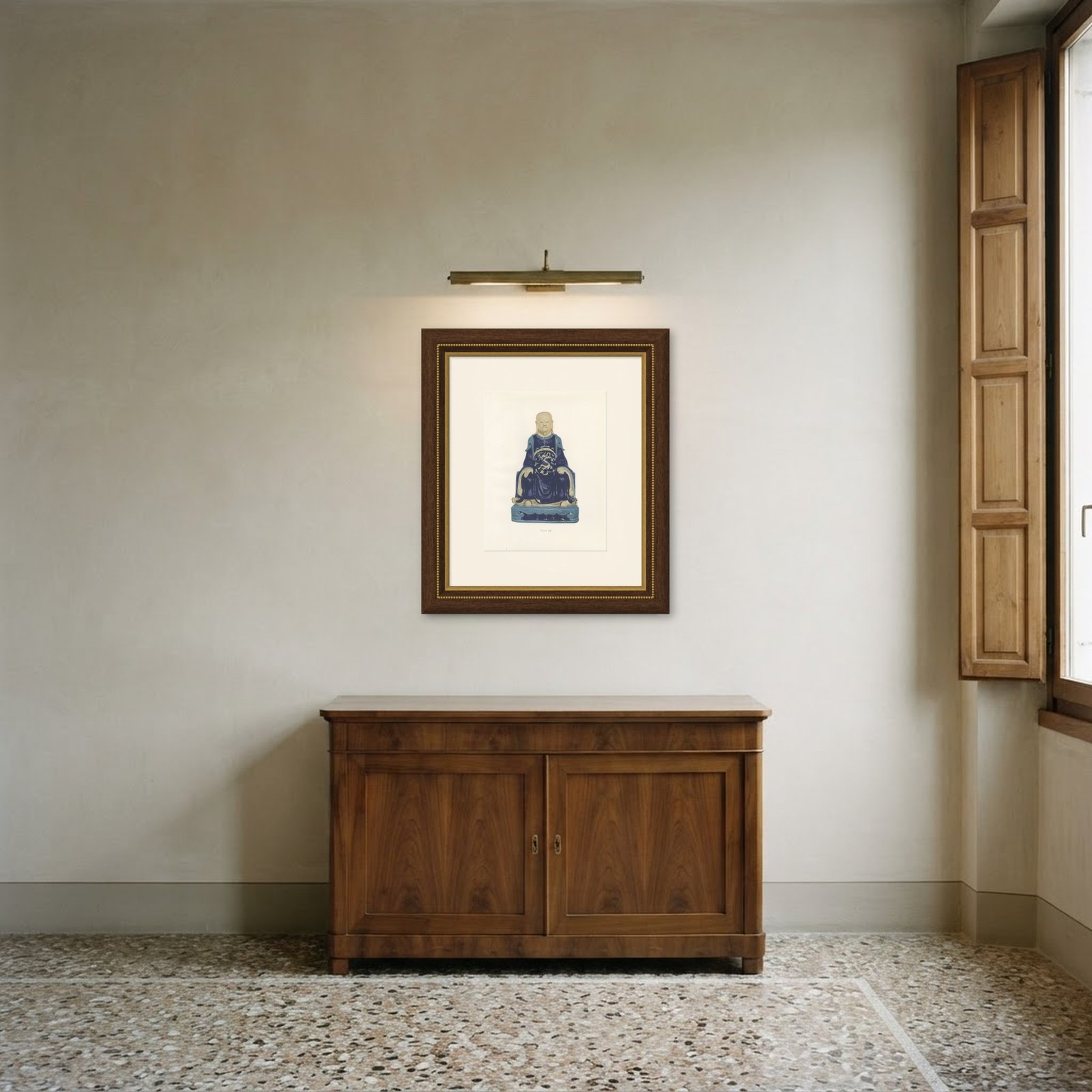
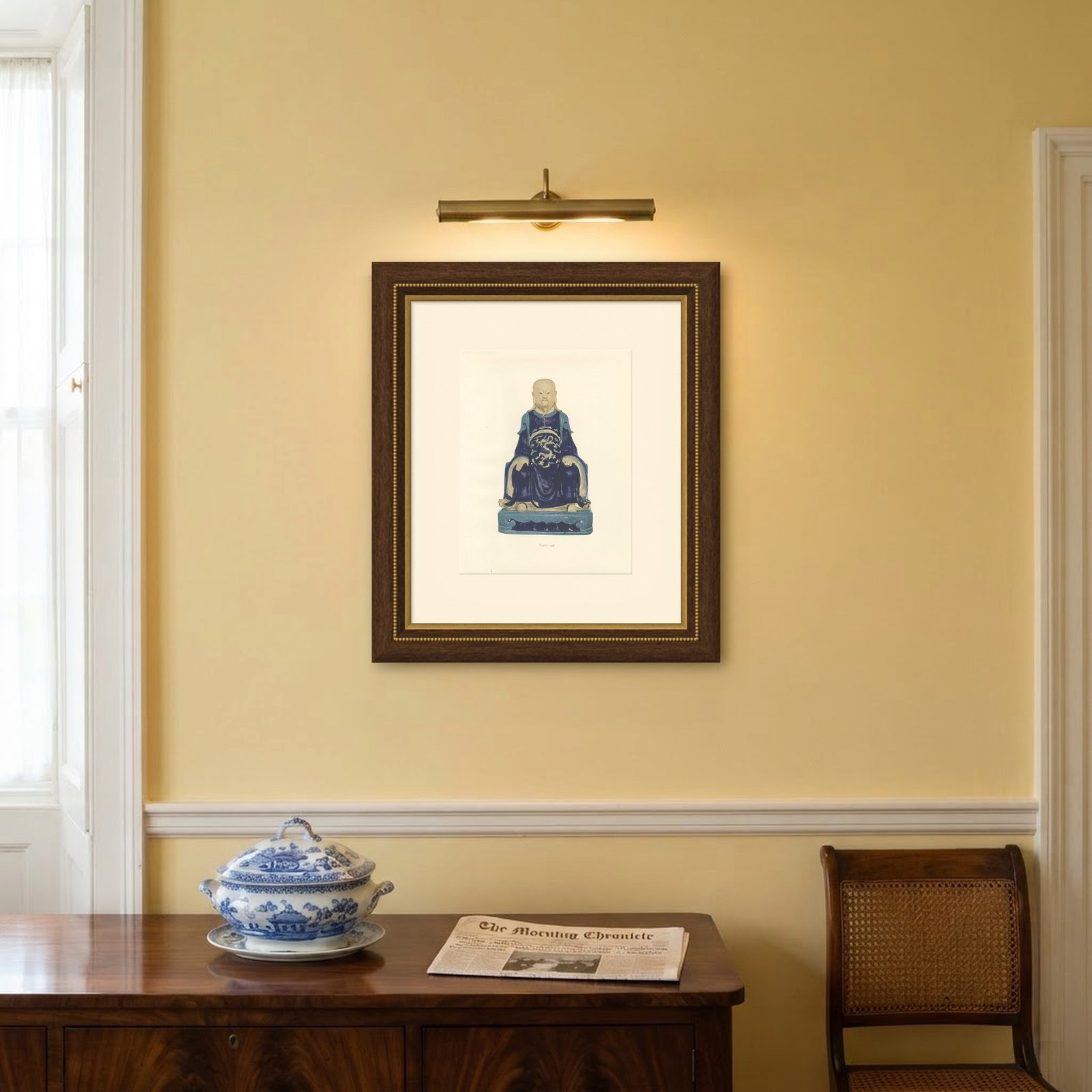
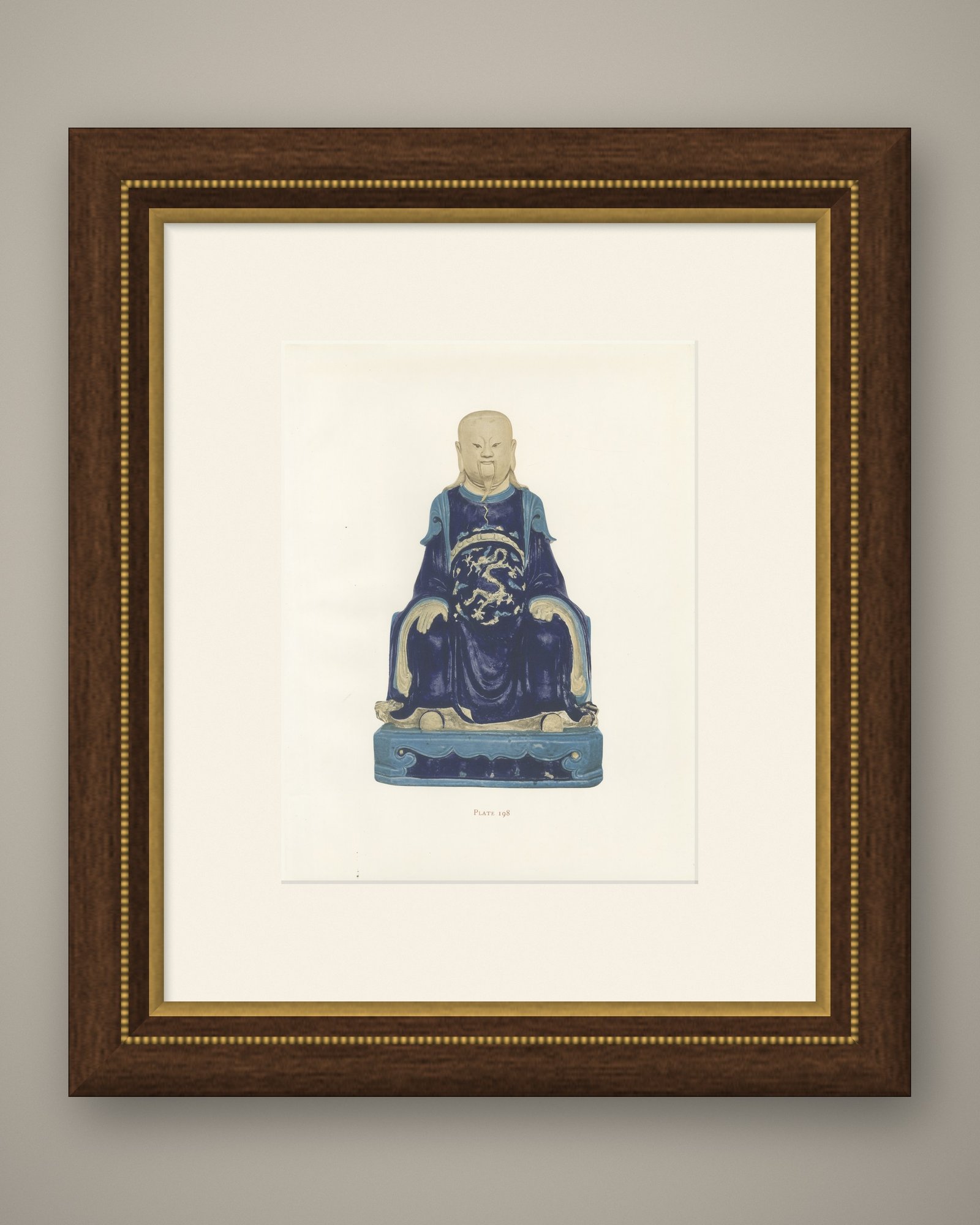
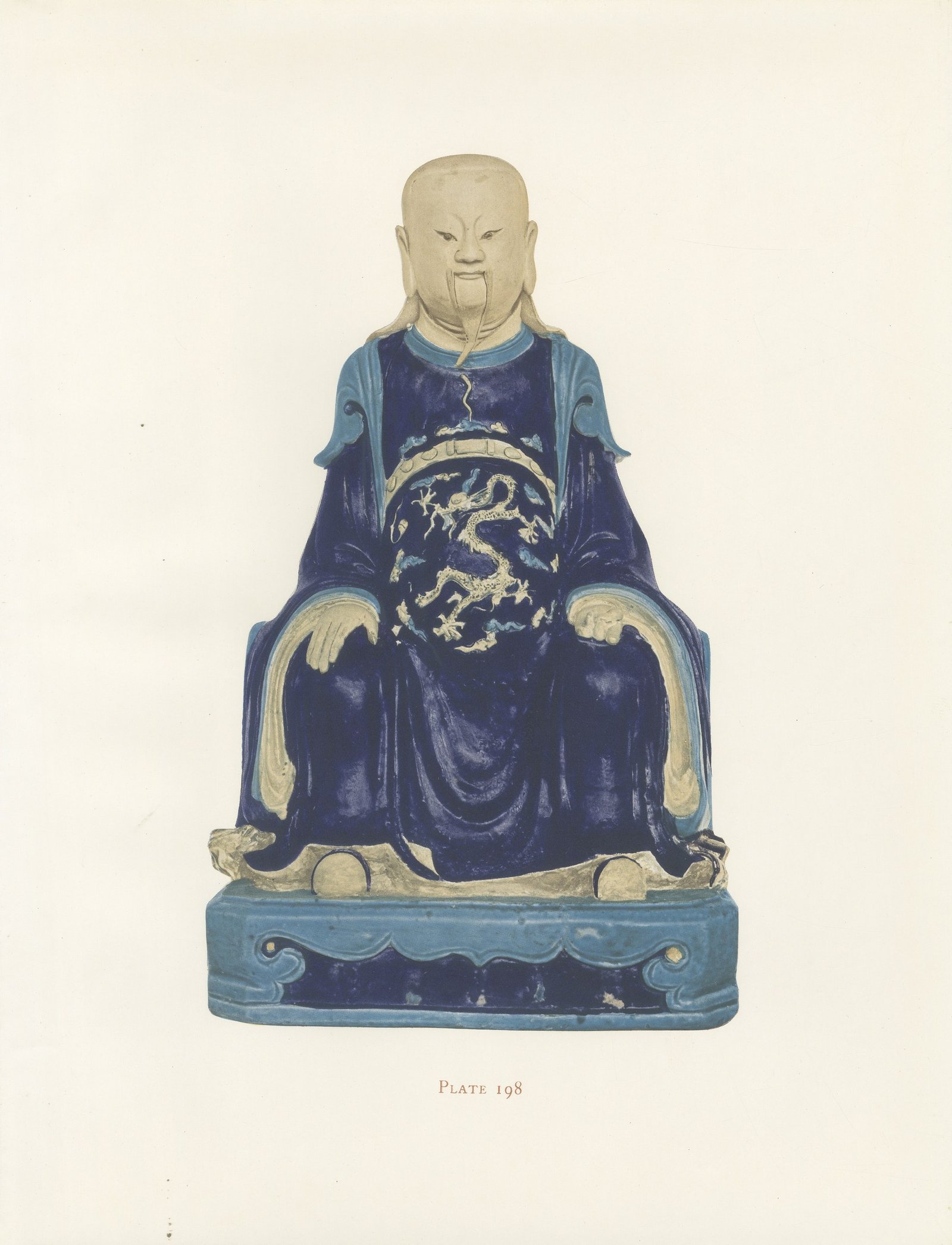
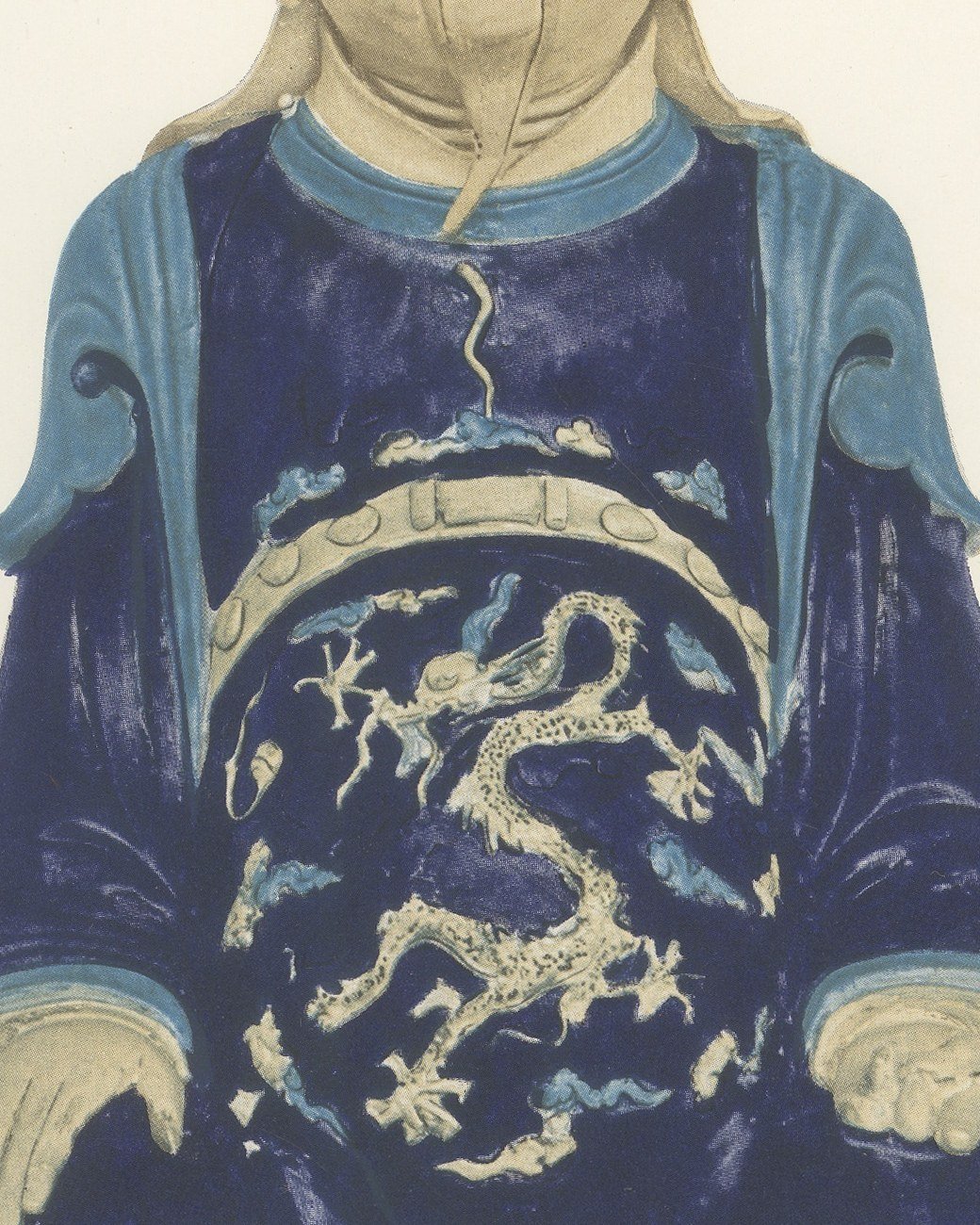
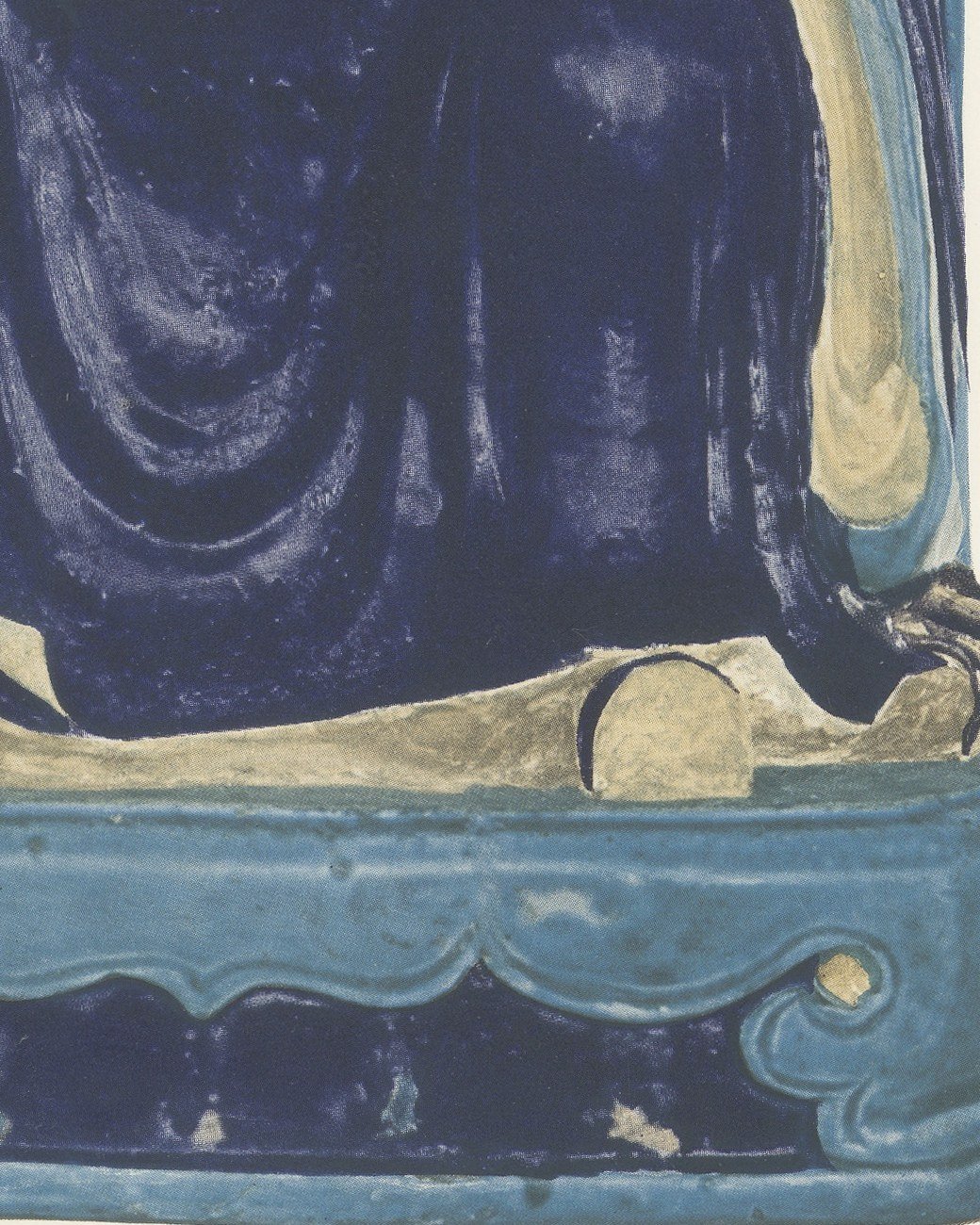
Plate 198 from Volume II of Gorer and Blacker's Chinese Porcelain and Hard Stones, an original 1911 color plate of a seated figure of the god of war, the head and hair unglazed, with a turquoise blue cape and a violet robe with jeweled belt. Figure of Kuan-ti, the god of war, seated. The head and hair unglazed, the ears (large-lobed) and the moustache in burnt biscuit; the cape falling over the shoulders and under the hair behind is turquoise-blue in color, and the robe of violet is ornamented by a jeweled biscuit belt, with further decoration in biscuit. The book gives it to the Early Ming period and records height 18 inches (45.7 cm); width 11 3/8 inches (28.9 cm). In a private collection.
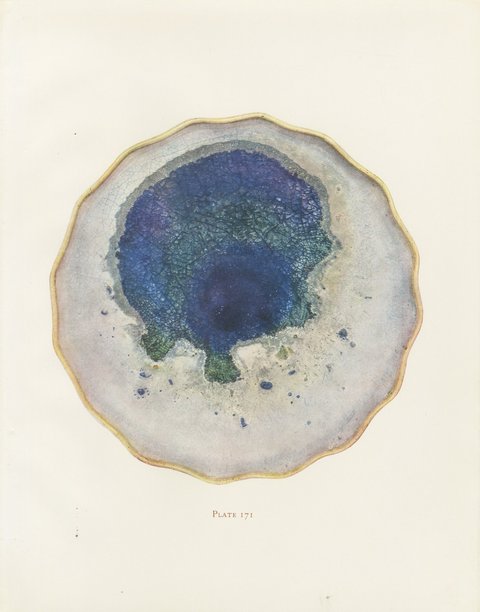
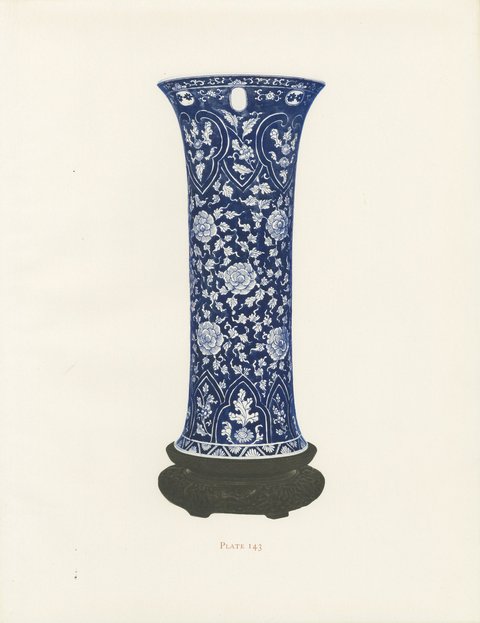
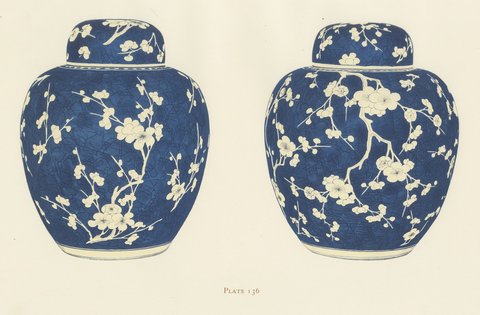
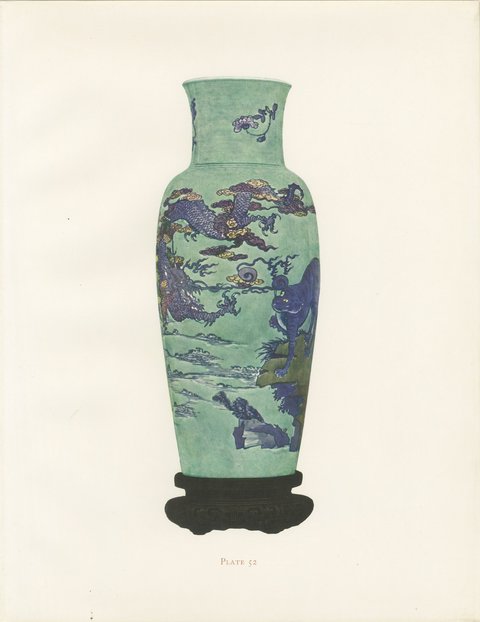
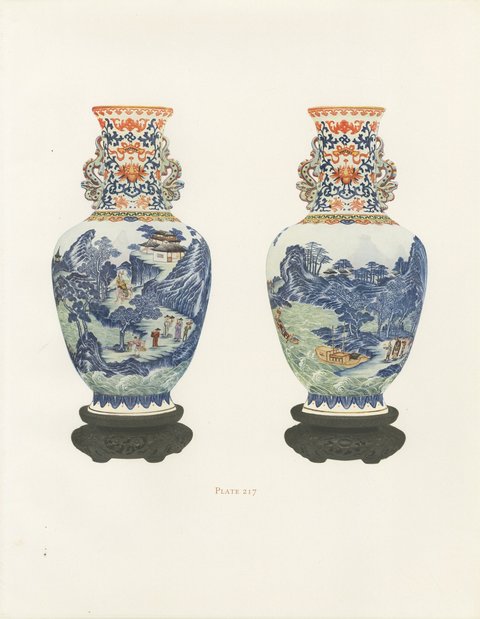
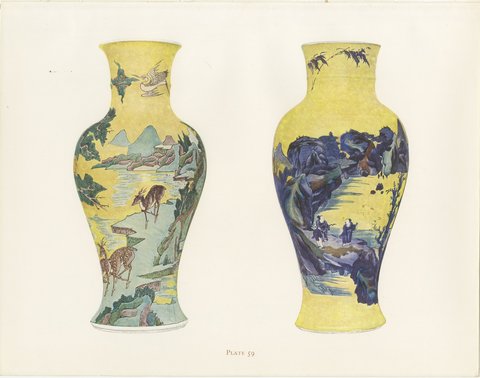
The plate belongs to Edgar Gorer and J. F. Blacker's Chinese Porcelain and Hard Stones, issued in London by Bernard Quaritch in 1911, a work in two volumes whose two hundred and fifty four color plates were printed to the highest standard the period could reach. The plates are color collotypes, a photographic process that reproduces continuous tone without a visible dot screen, which is why the glazes keep their depth on paper.
The volumes were produced as a record of pieces Gorer handled or admired, and the plates were made with unusual care for the period. A century later they survive as some of the best color images of early twentieth century taste in Chinese ceramics and hard stones.
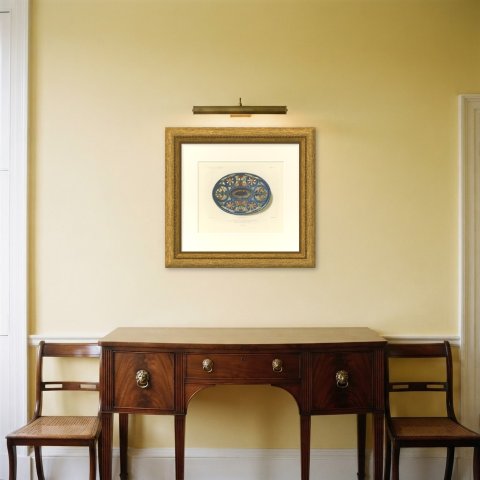
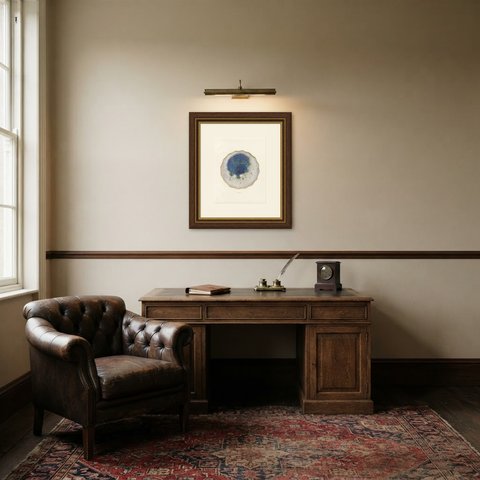
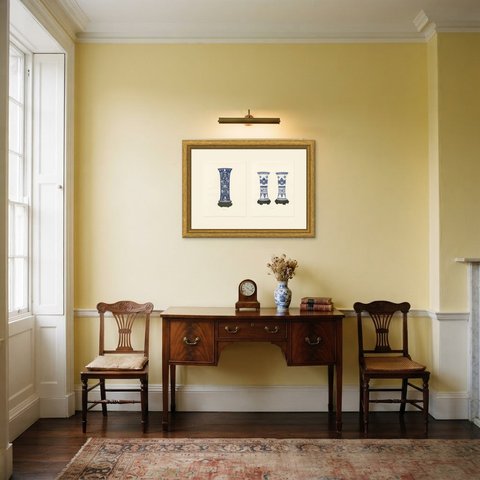
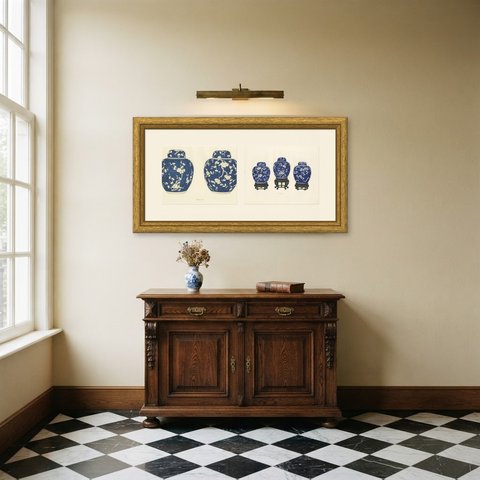
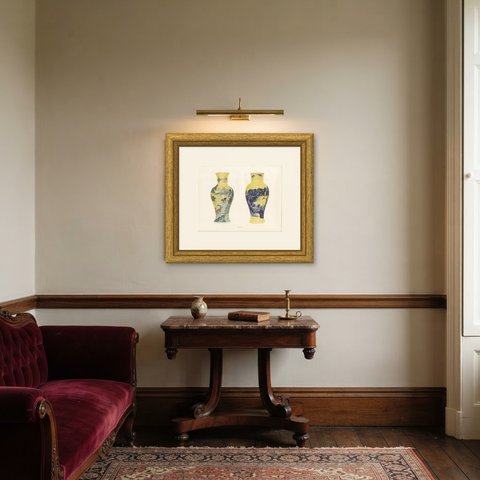
A sheet of this size frames well at about forty by fifty centimeters and suits a study, a hallway or a dining room where its color can be seen close to.
This is an original antique print, not a modern reproduction.
Even age toning. A few small foxing spots in the margin. Slight wear at the bottom left corner. Minor edge wear, shallow nicks along the left.