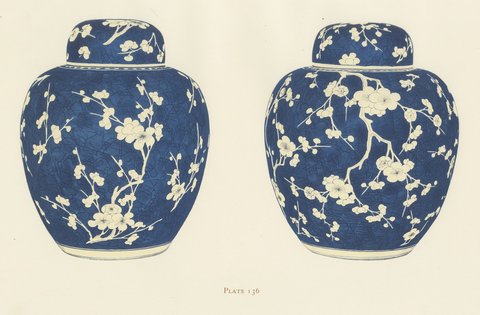
 The sheet, as you receive it
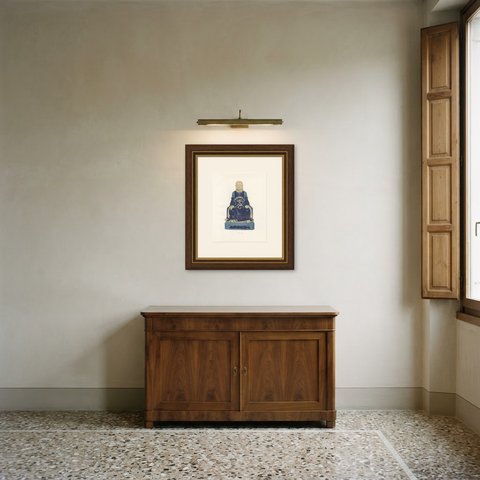
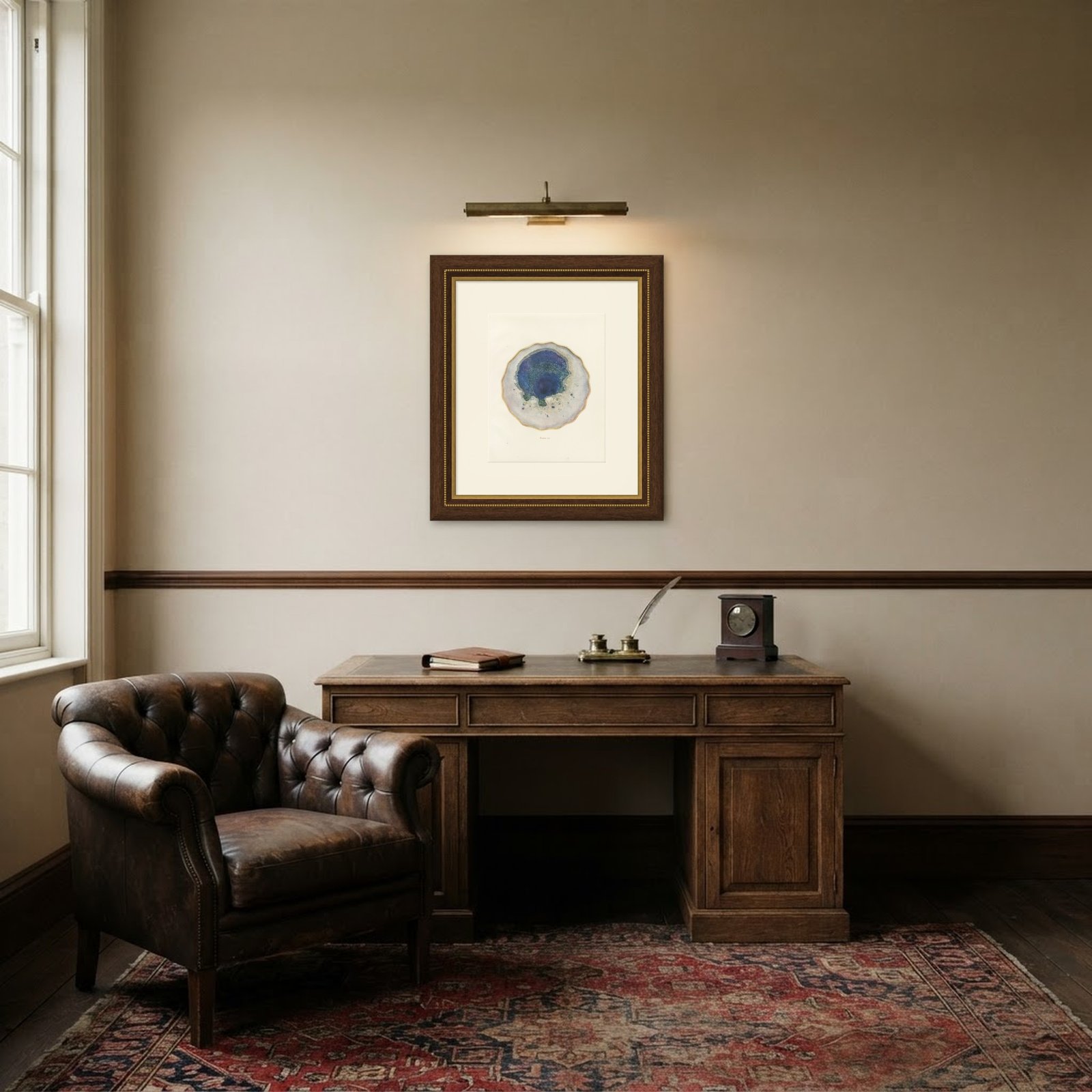 In the room
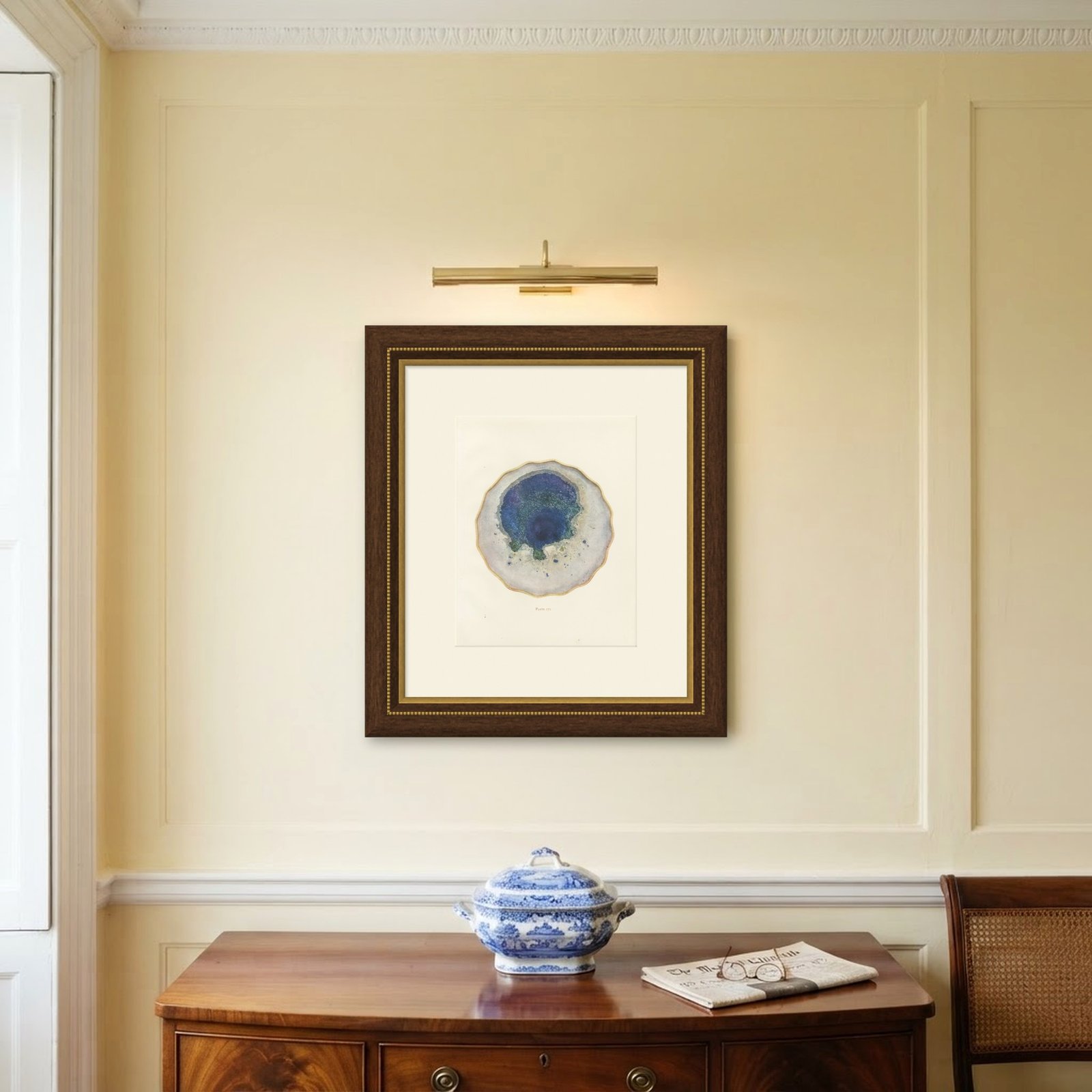
Interior designers: BarTrade members buy at their trade price. How it works
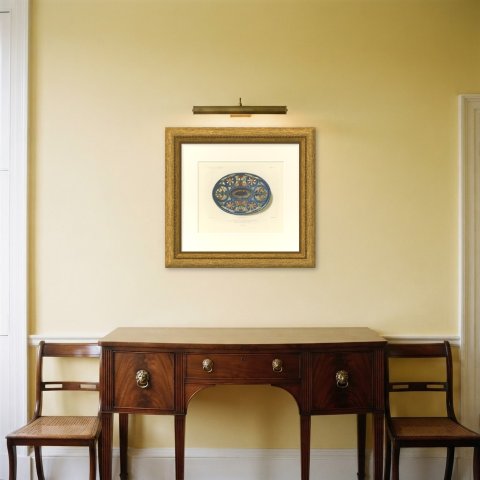
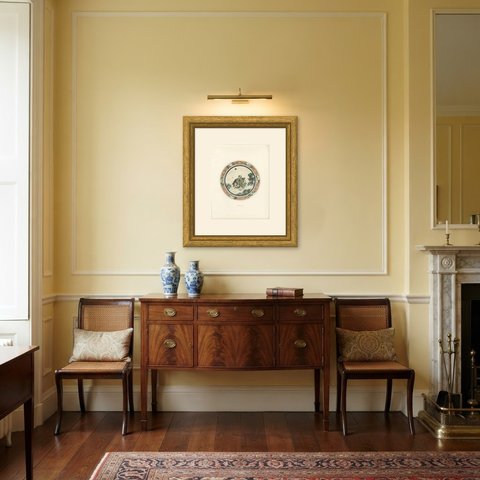
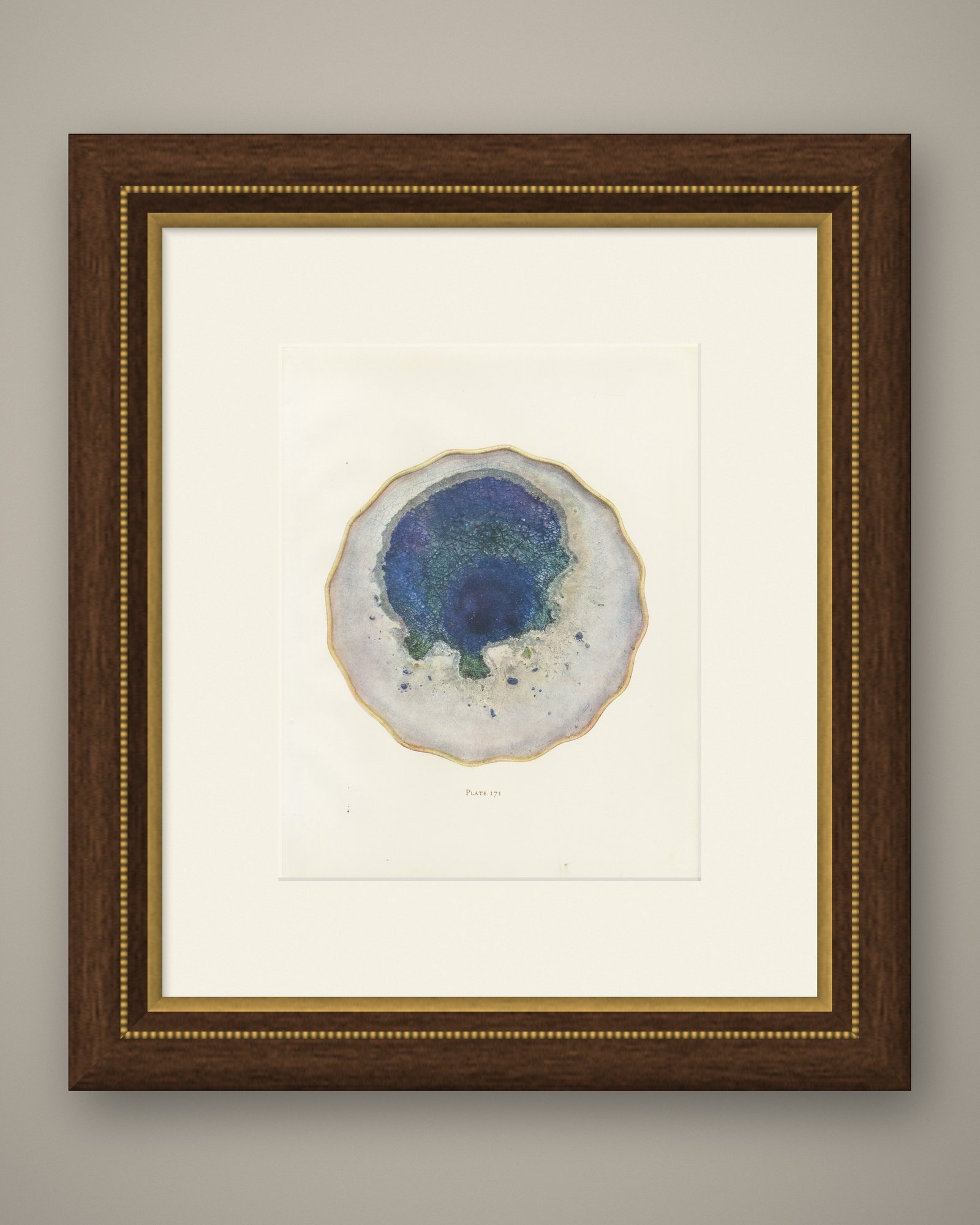
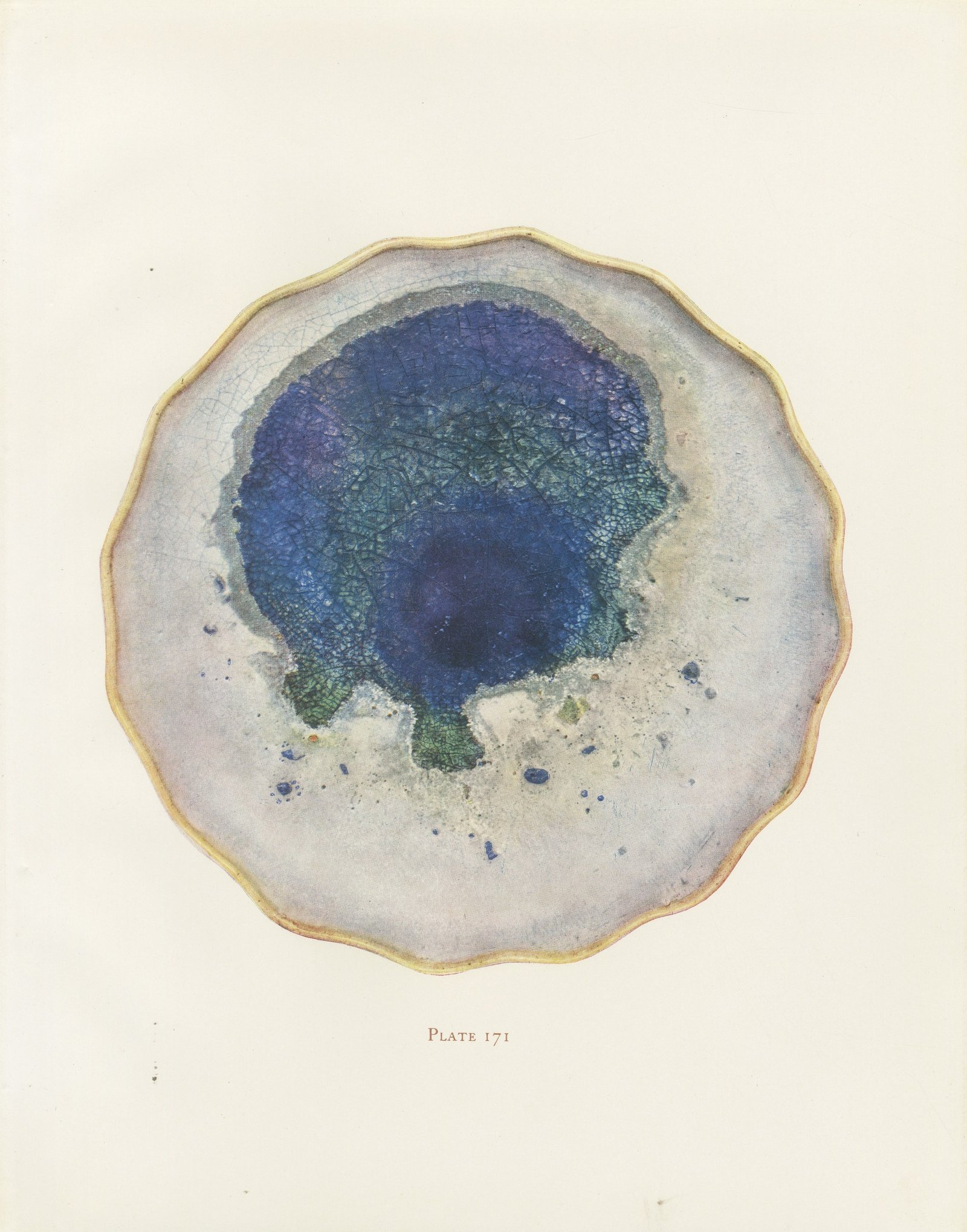
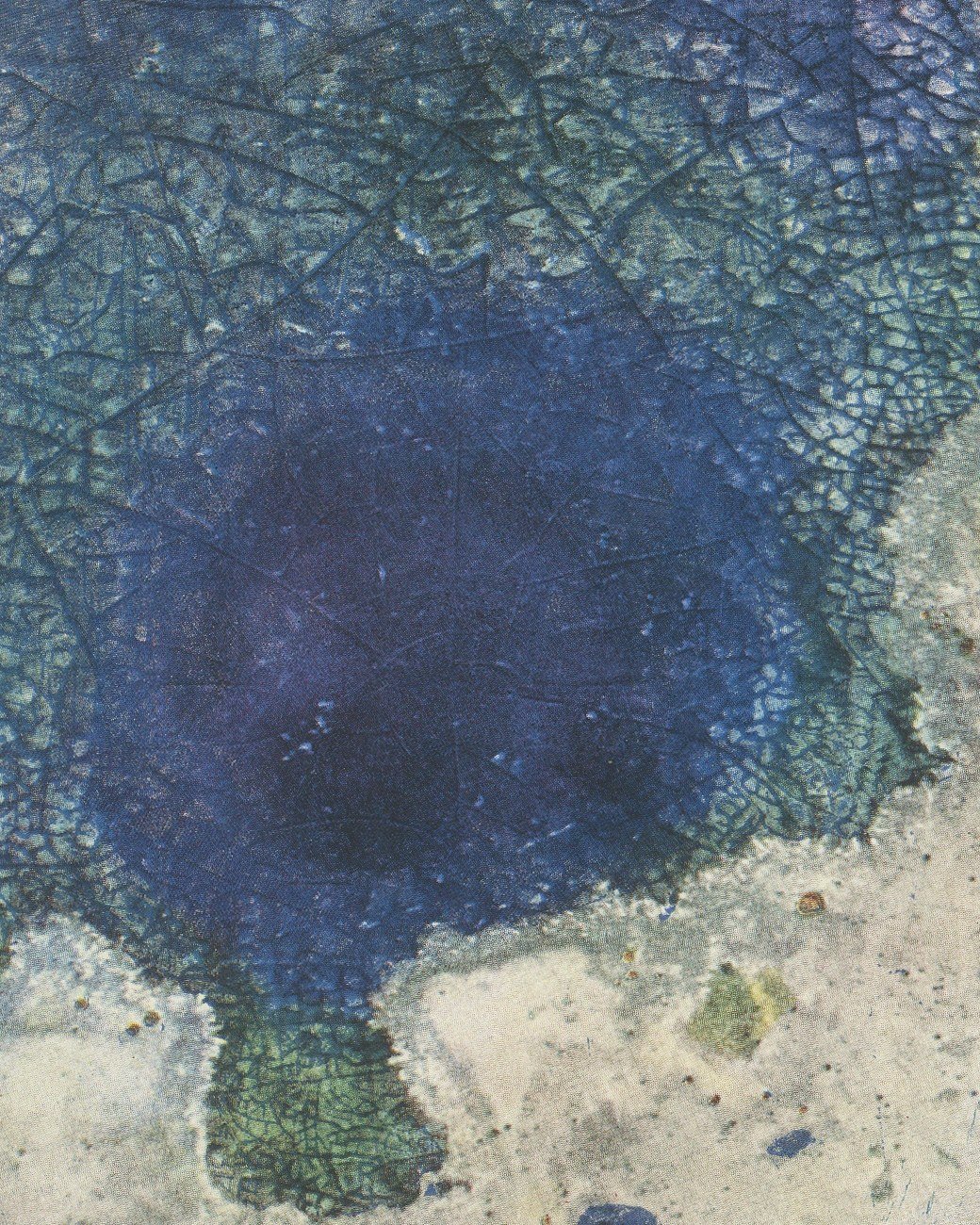
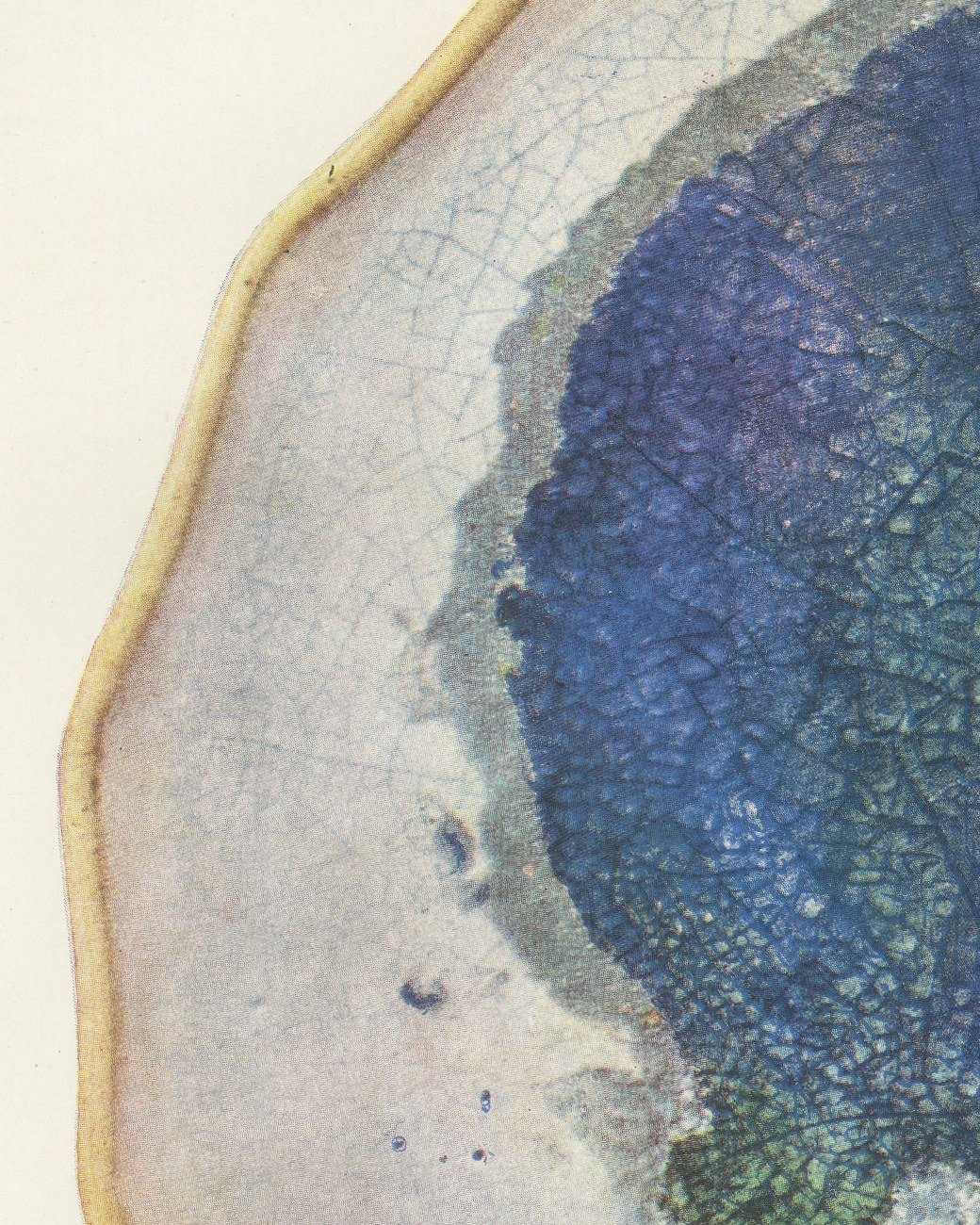
Plate 171 from Volume II of Gorer and Blacker's Chinese Porcelain and Hard Stones, an original 1911 color plate of a saucer shaped plate of very early porcelain with a thick pale lavender glaze running into tears, Sung period. Plate, saucer-shaped, of very early porcelain. Covered with glazes of remarkable character: a wavy rim of brownish tint followed by a thick glaze, pale lavender in color, which on the outside runs into tears as it reaches the brown-smeared biscuit base; the pale lavender glaze is characteristic of this period. The book gives it to the Sung period and records diameter 8 1/4 inches (21 cm). In a private collection.
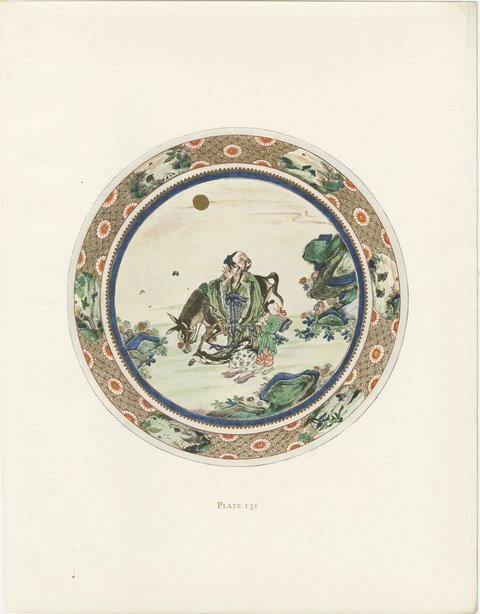
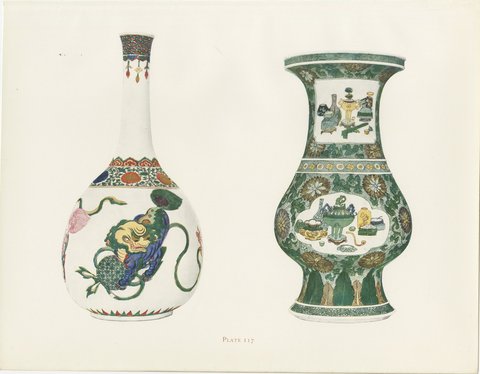
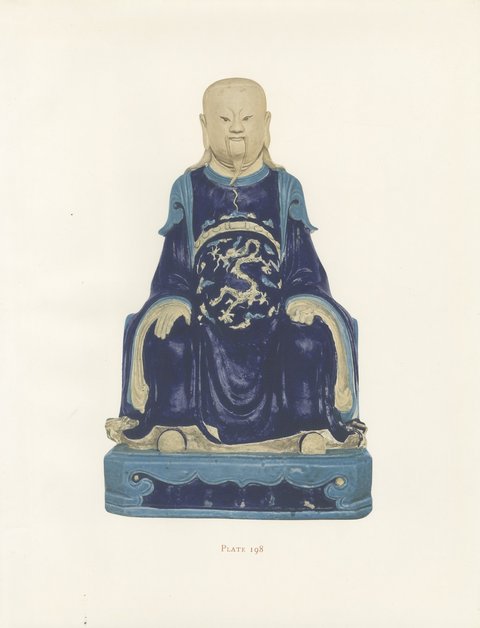
Chinese Porcelain and Hard Stones, by Edgar Gorer and J. F. Blacker, was published in London by Bernard Quaritch in 1911 in two volumes with two hundred and fifty four color plates, and this sheet is one of them, from Volume II. The plates are color collotypes, a photographic process that reproduces continuous tone without a visible dot screen, which is why the glazes keep their depth on paper.
Edgar Gorer was one of the most visible dealers in Chinese art of his generation. He traded as S. Gorer and Son at 170 New Bond Street with a branch at 500 Fifth Avenue in New York, dealt chiefly in Kangxi, Yongzheng and Qianlong porcelain, and sold to Sir William Lever. He died on 7 May 1915 when the Lusitania was torpedoed, and his body was never recovered.
Collectors of Chinese ceramics, of early color printing and of Edwardian book illustration all look for these plates, and they work equally well in an interior scheme as in a collection.
This is an original antique print, not a modern reproduction.
Even age toning. A few small foxing spots in the margin. Slight wear at the bottom left corner.