 The sheet, as you receive it
 In the room
Interior designers: BarTrade members buy at their trade price. How it works
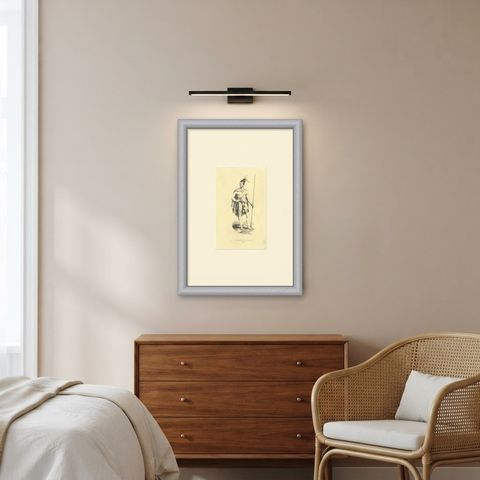
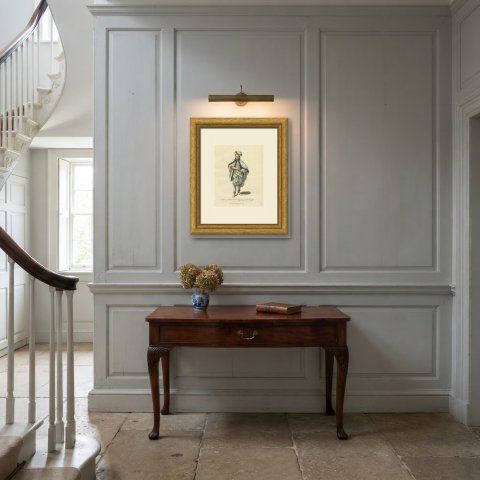
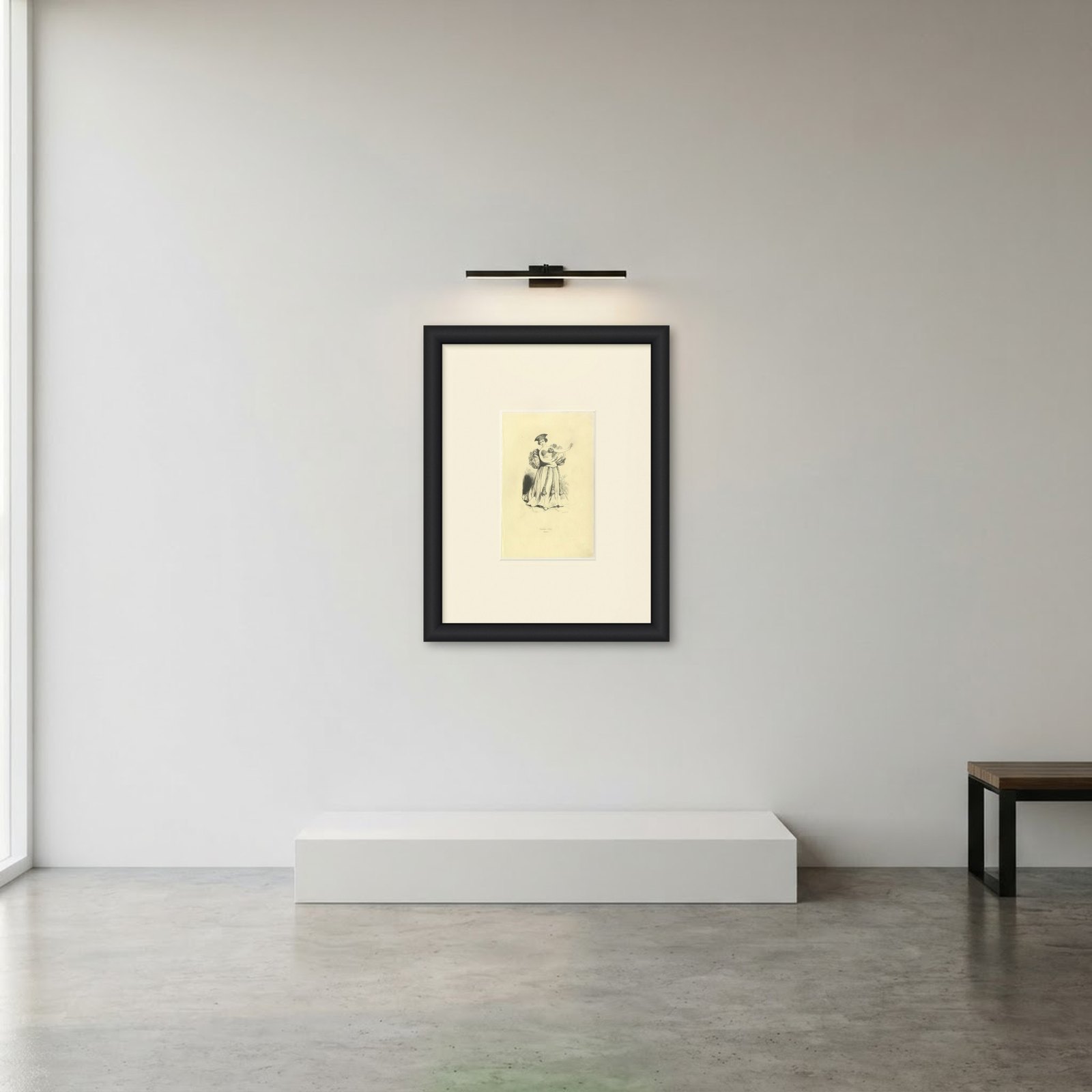
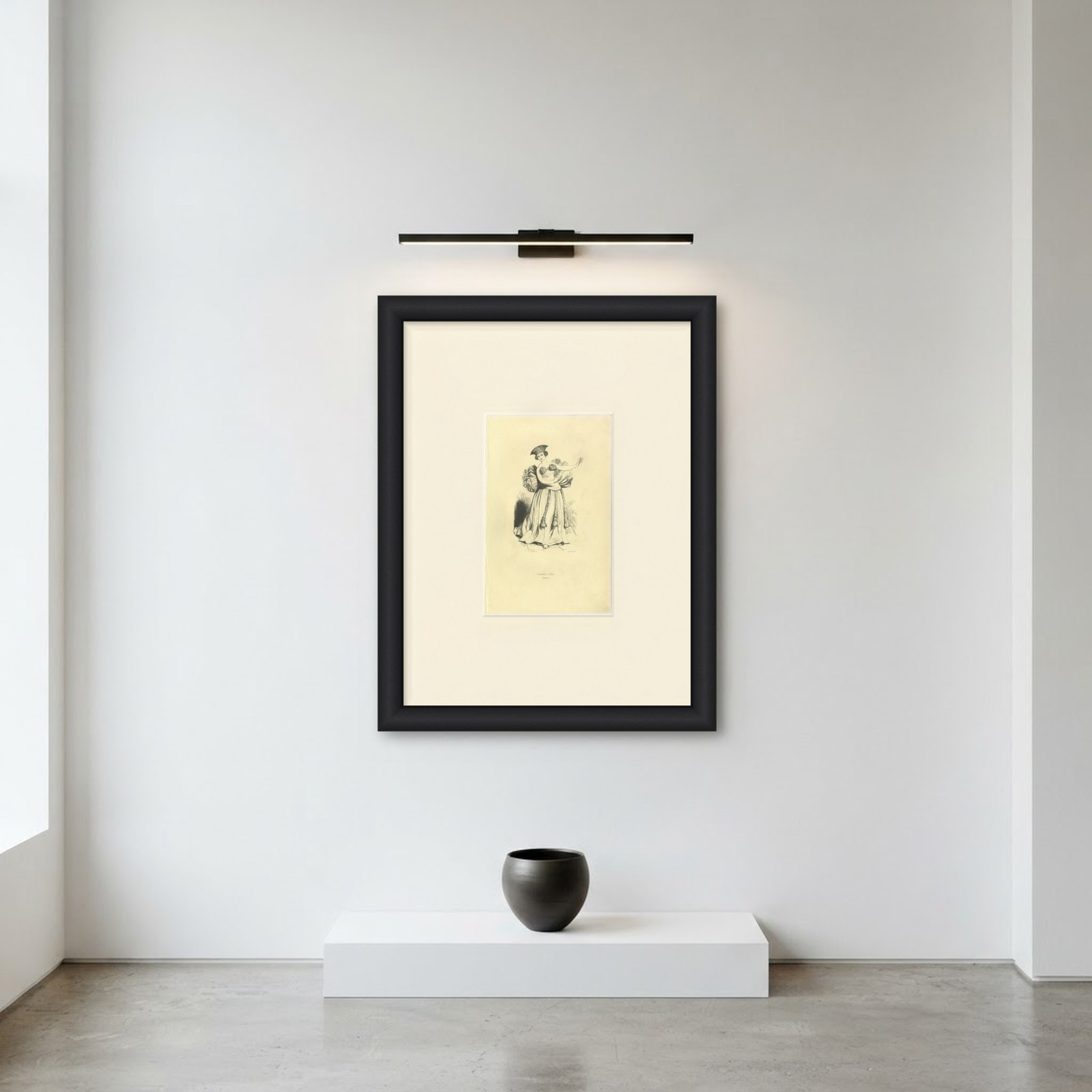
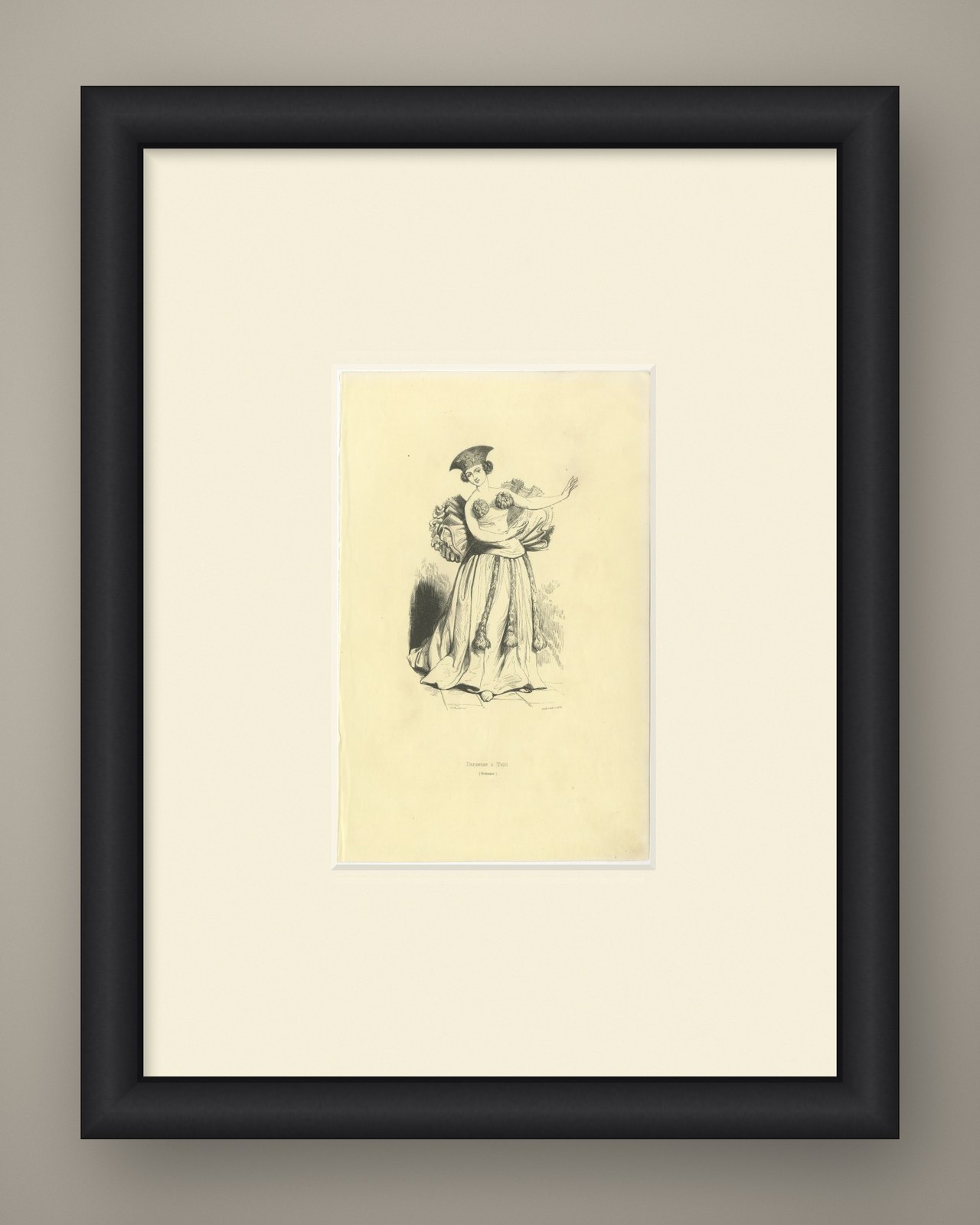
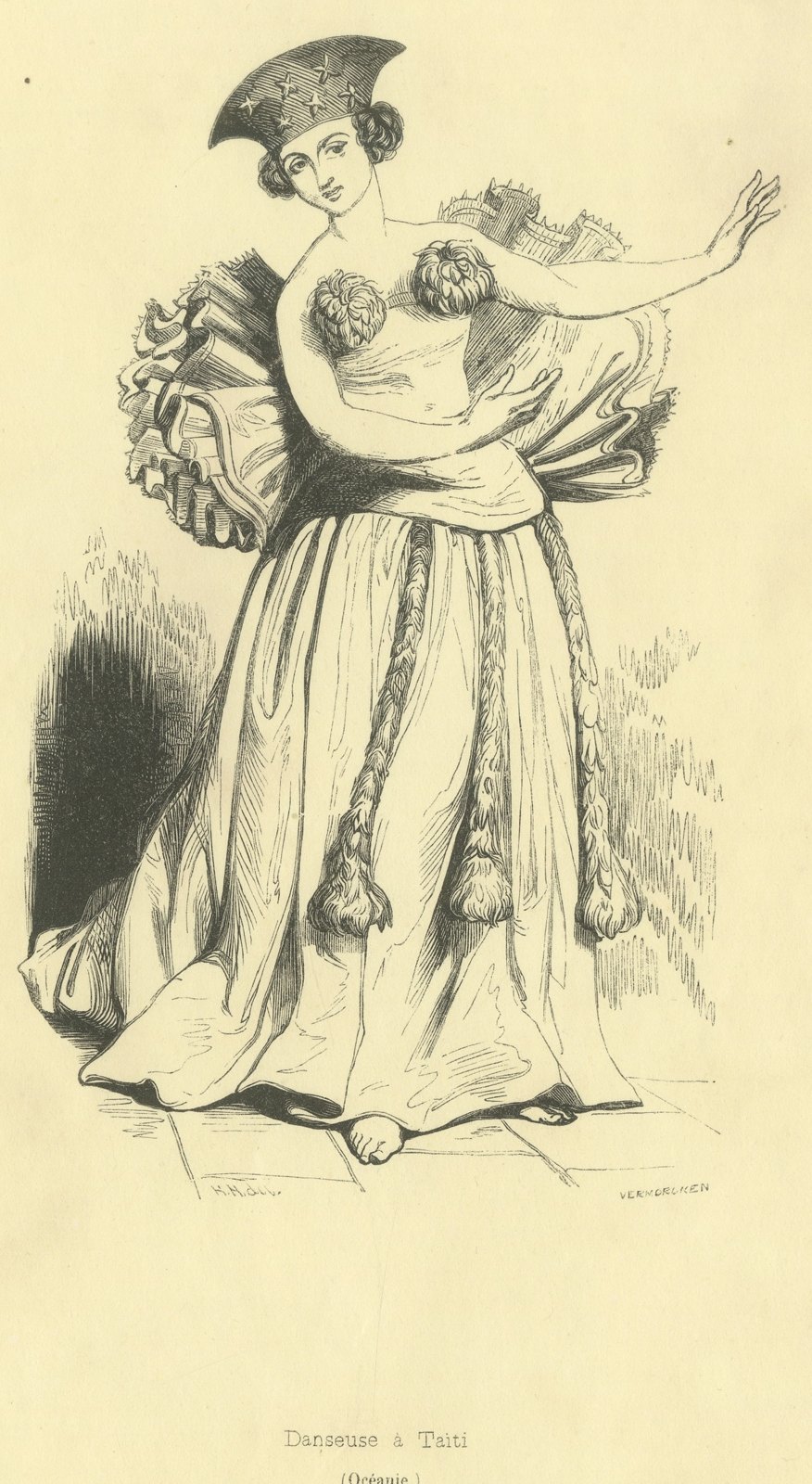
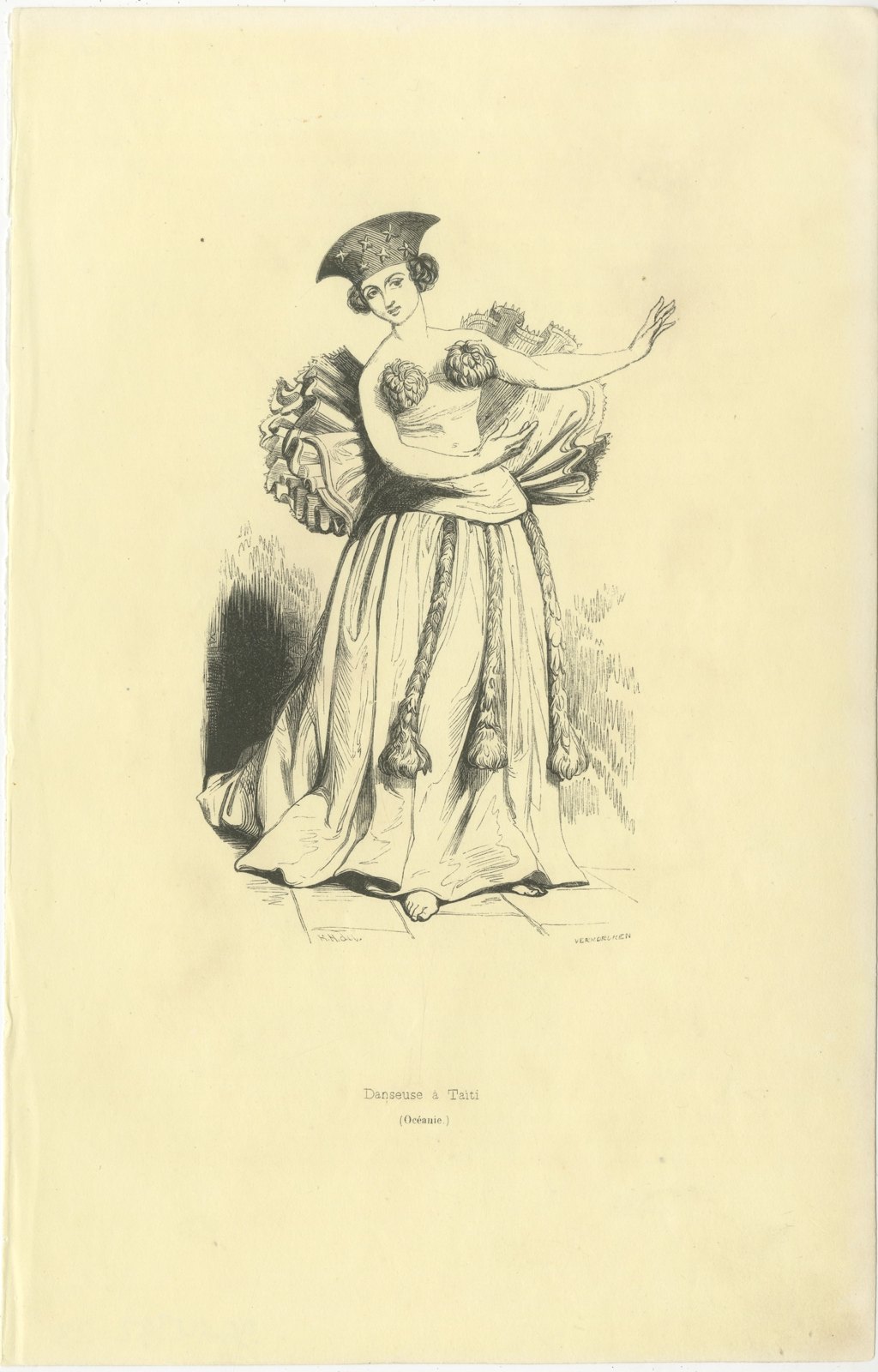
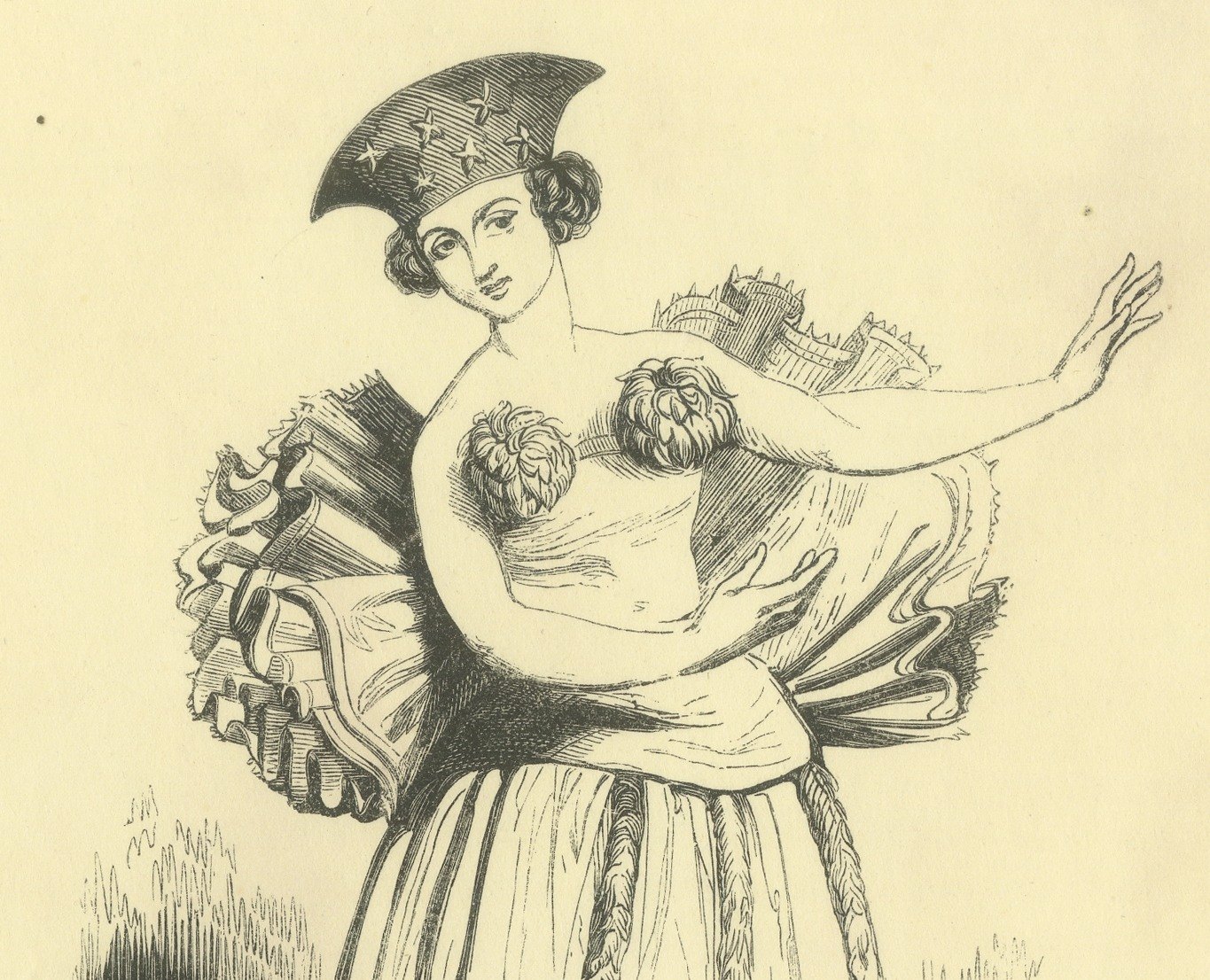
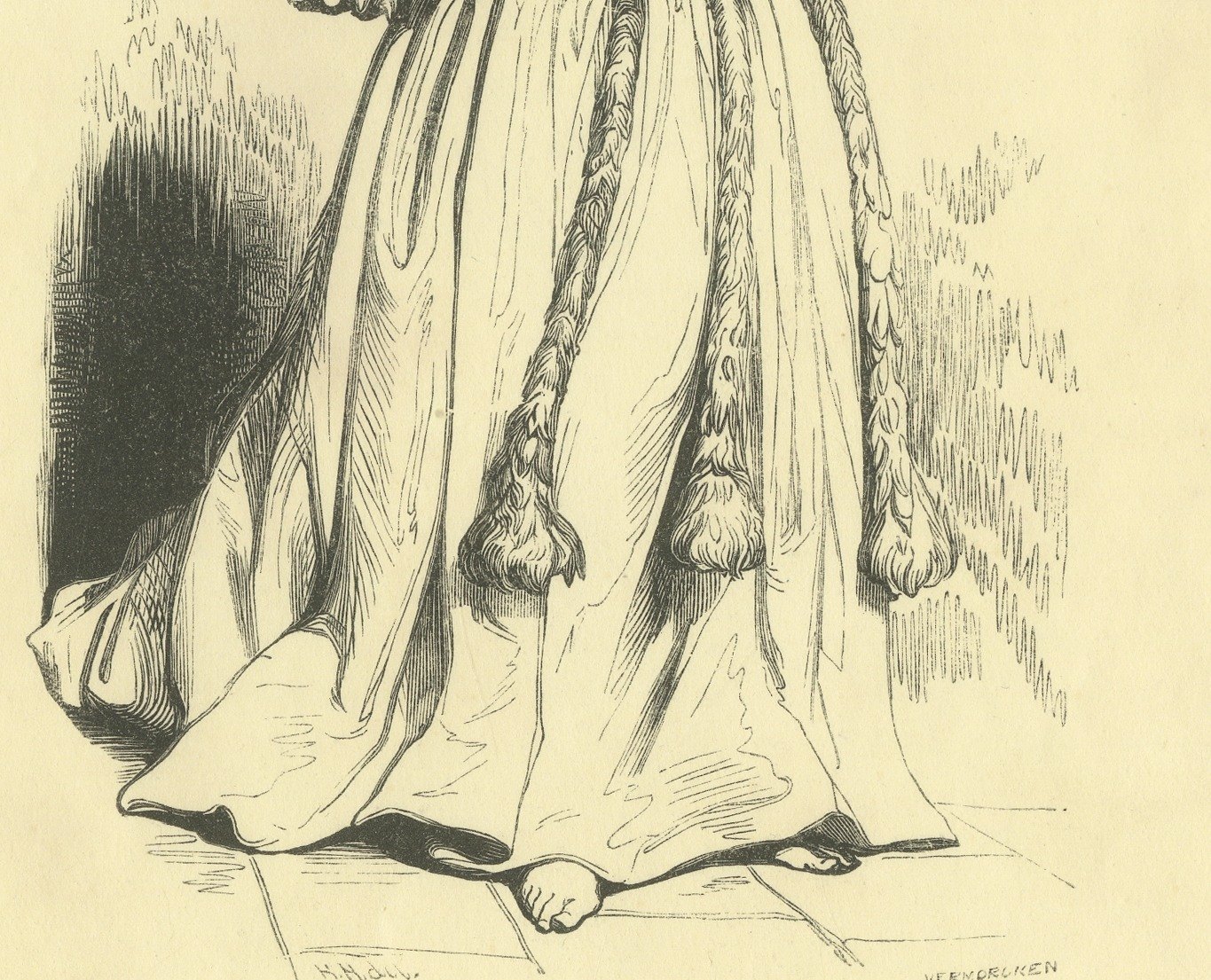
An original antique wood engraving of a dancer at Tahiti, an ethnographic costume print from Auguste Wahlen's Moeurs, usages et costumes de tous les peuples du monde, published in Brussels between 1843 and 1844. The plate is lettered “Danseuse à Taiti (Océanie.)”. Tahiti is the principal island of the Society Islands in eastern Polynesia, and dance held a central place in its social and ceremonial life. European voyagers of the later eighteenth century wrote about Tahitian dance at length, and the missionaries who followed them worked to suppress it, so by the date of this series the subject was already being described in Europe partly from older accounts. France declared a protectorate over Tahiti in 1842, the year before the first volume appeared.
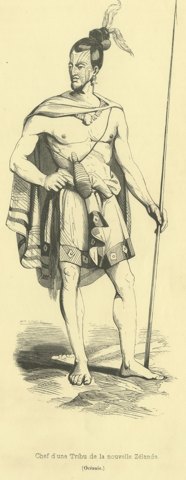
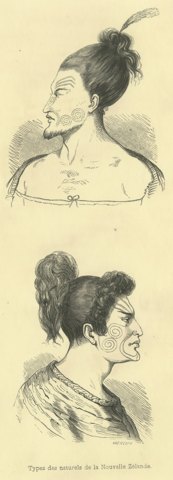
Moeurs, usages et costumes de tous les peuples du monde was published in Brussels by Auguste Wahlen at the Librairie Historique-Artistique between 1843 and 1844. The four volumes set out to describe the dress, customs, occupations and social divisions of the peoples of Europe, Asia, Africa, the Americas and Oceania, drawing on travel narratives, earlier costume books and other sources then treated as authoritative, and they carried approximately one hundred and ninety to two hundred plates, the count varying between copies and editions.
Wahlen was the publisher and compiler rather than the artist; where a name such as Duverger, Pannemaker, Mercier, Lisbet, Markaert or Vermorcken appears on a sheet it belongs to the illustrator or the engraver, and no artist is attributed here without one.
The plates are wood engravings on paper. The images should be read as a nineteenth century European interpretation of the cultures they show rather than as a documentary record, which is a large part of what makes the series interesting to historians of the period. This impression is uncolored. Tahitian subjects are among the most collected in the series, and the plate is of interest for what it shows of the way Polynesian dance was pictured for a European readership at a moment of political change on the island. The sheet suits a study, a music room or a hallway, and this ethnographic print hangs well with the Pitcairn and Marquesas plates from the same volumes or in a group of four or six Wahlen costume prints of Oceania.
The sheet is in good condition for its age, with slight edge wear and faint soiling in the lower margin; the image itself is clean.
This is an original antique print, not a modern reproduction. This item is sold unframed.