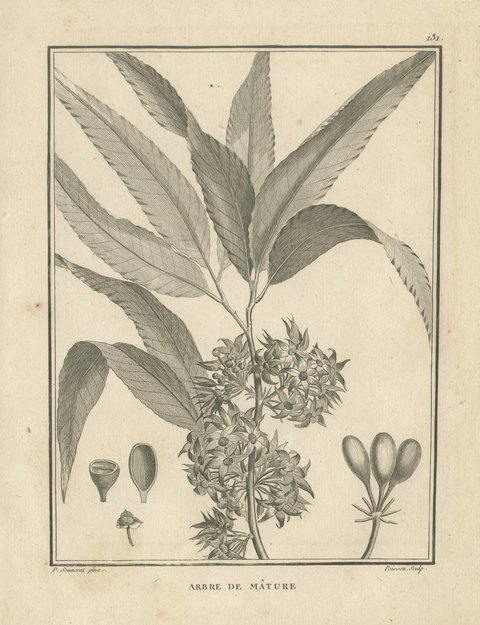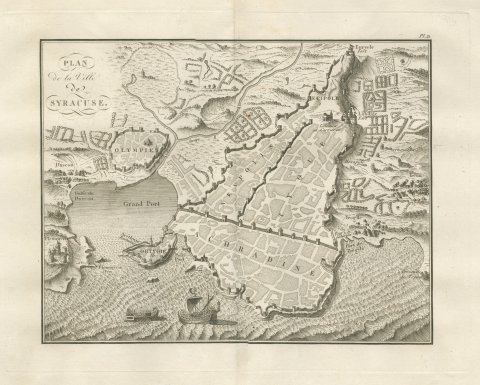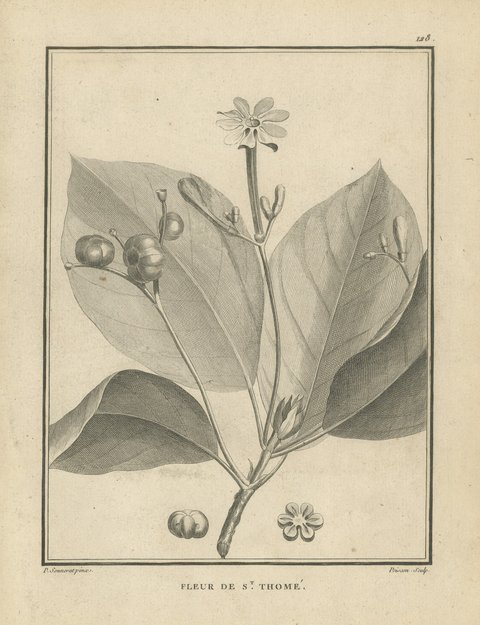
 The sheet, as you receive it
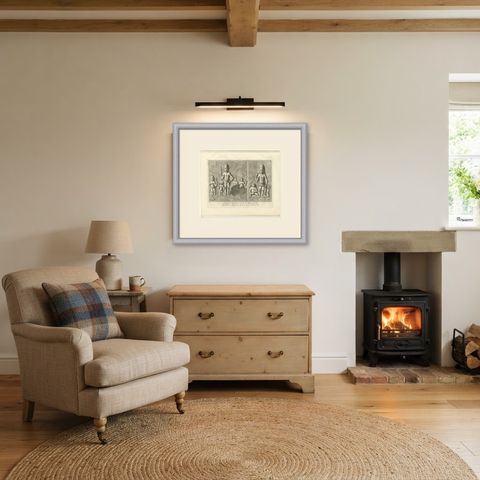
 In the room
Interior designers: BarTrade members buy at their trade price. How it works
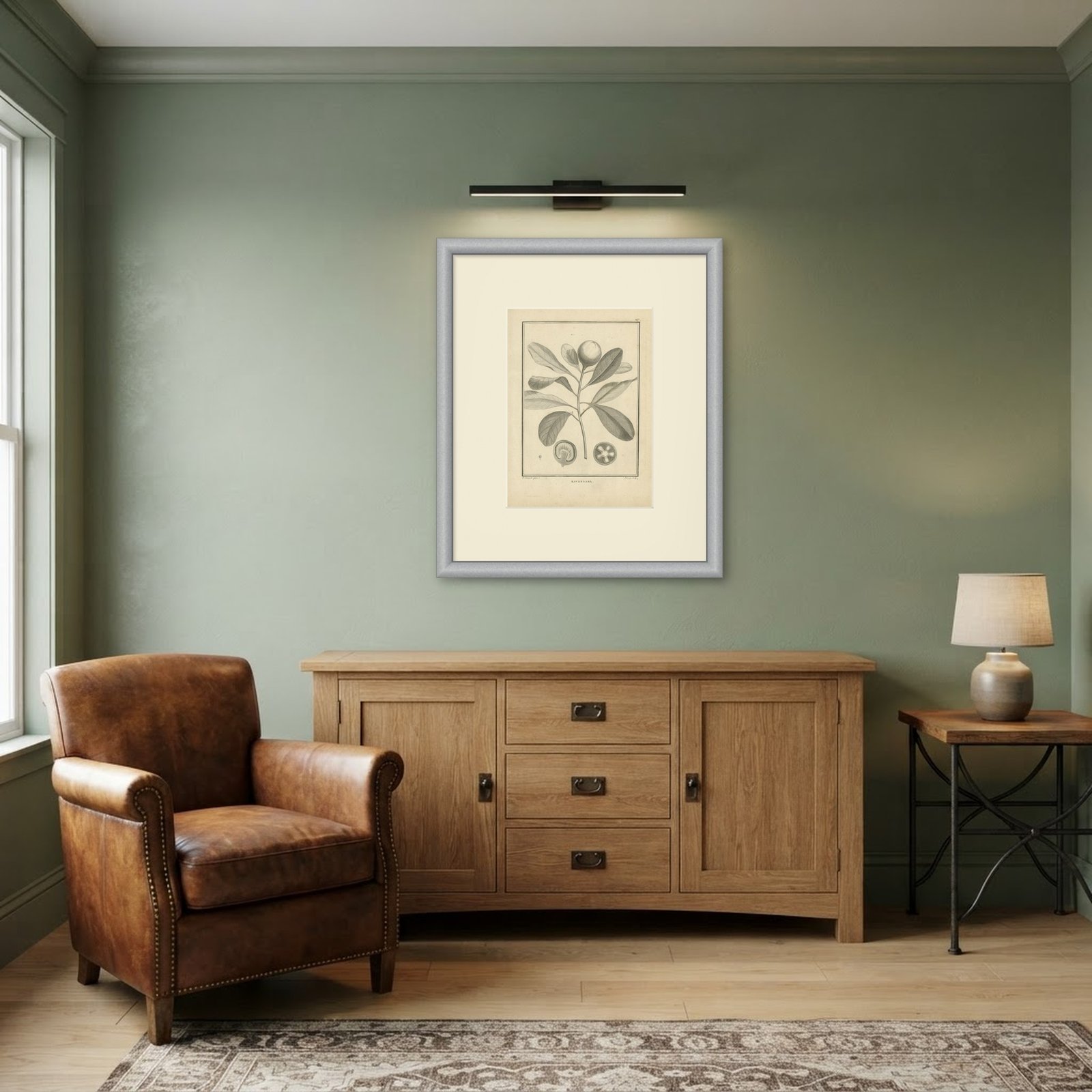
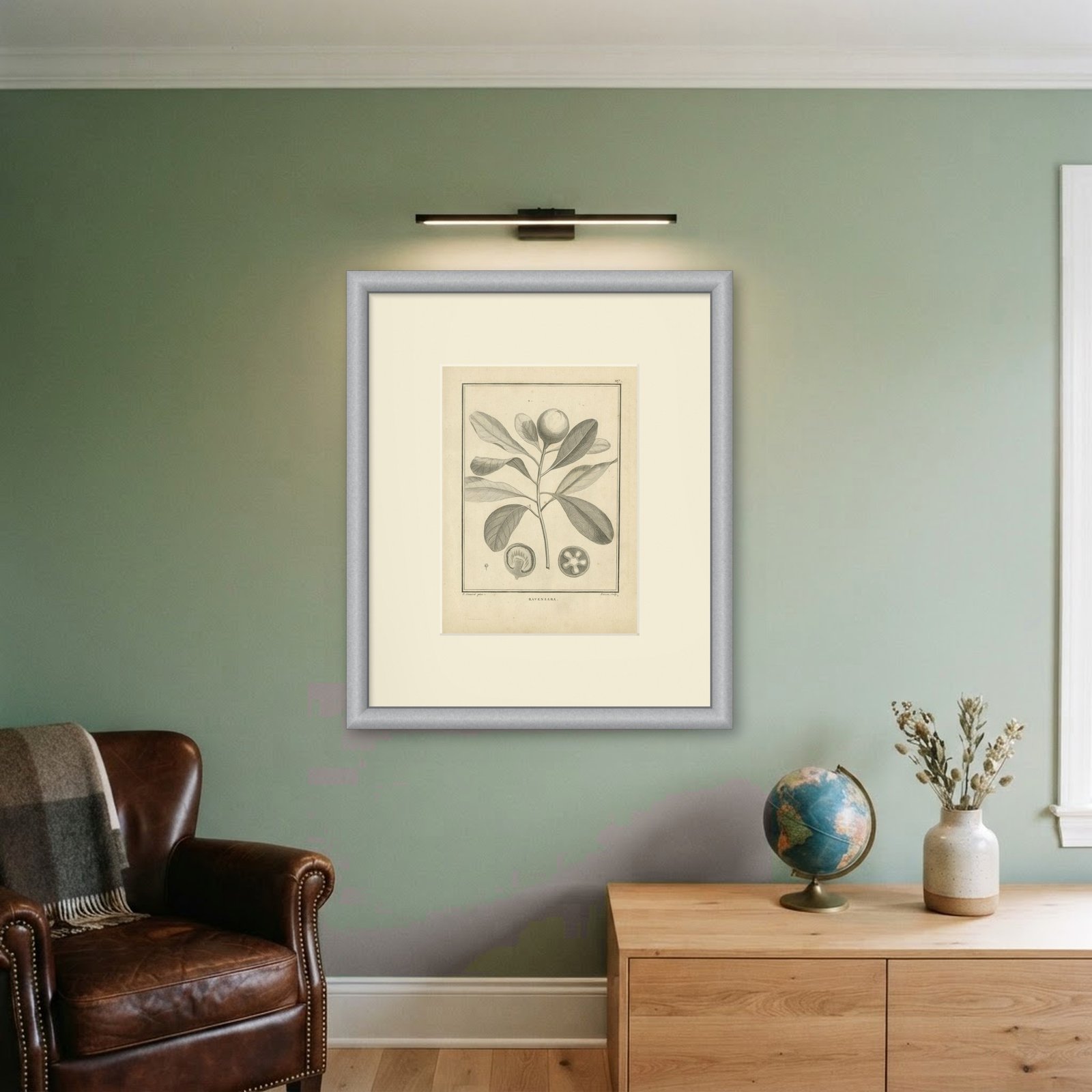
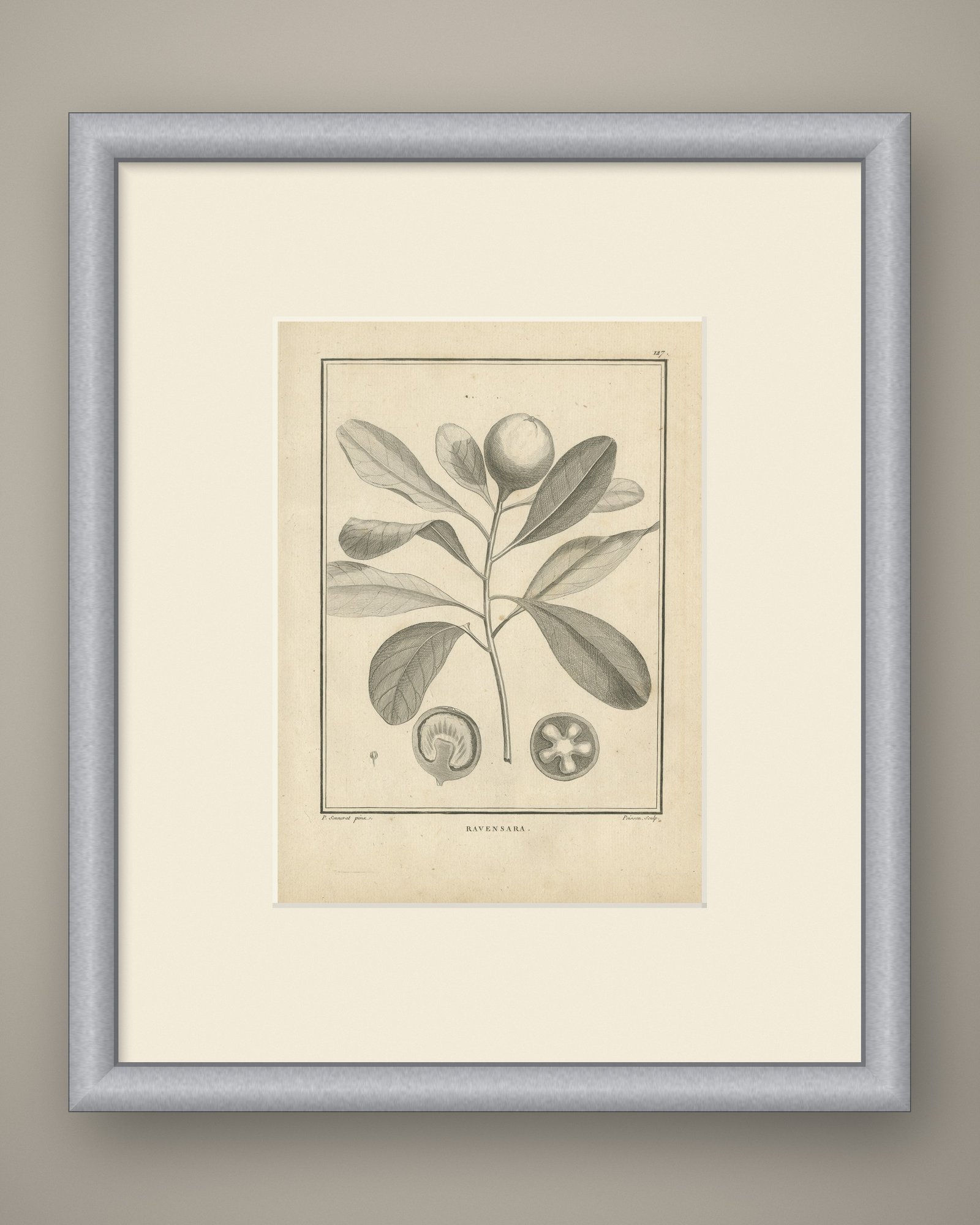
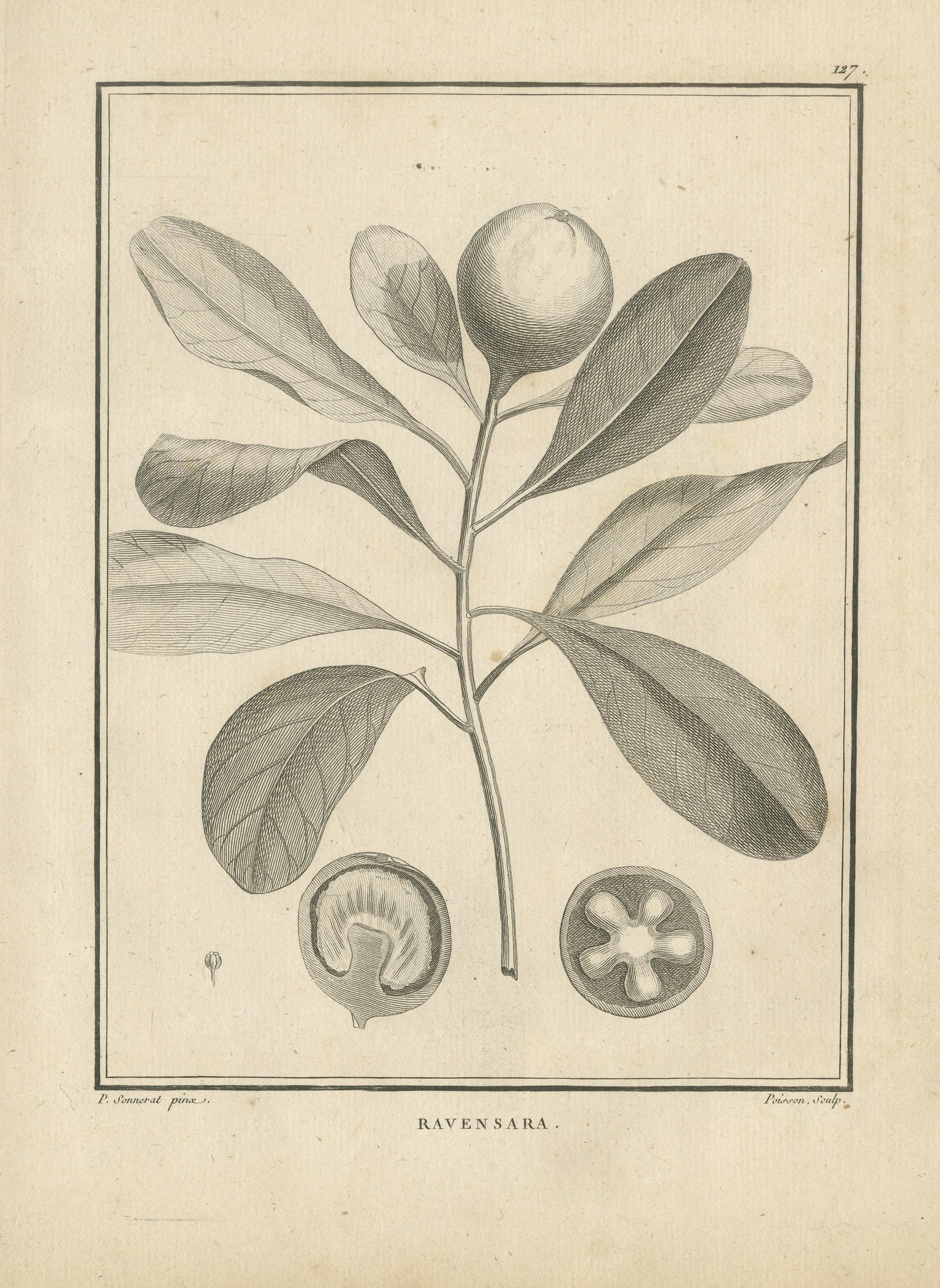
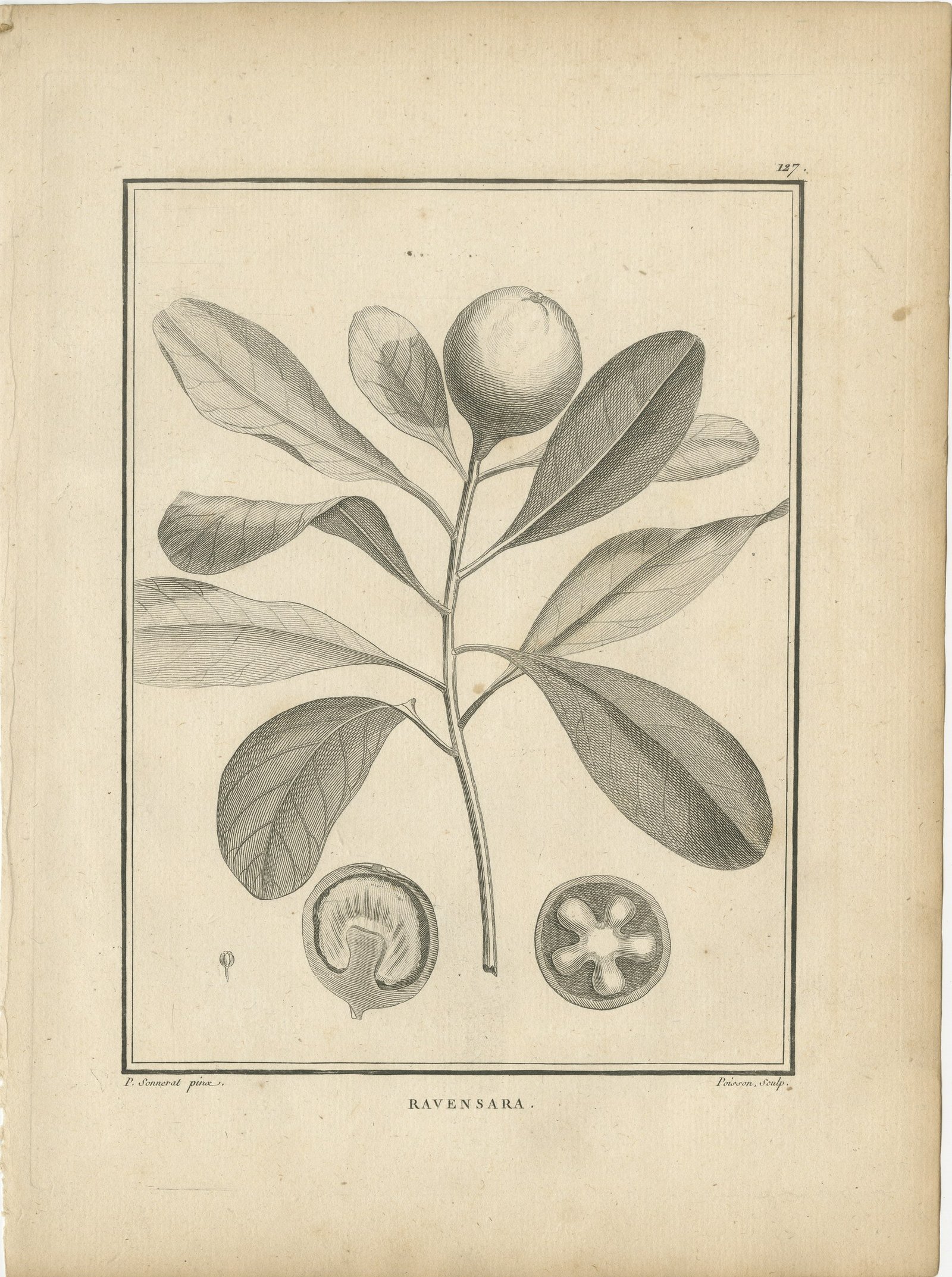
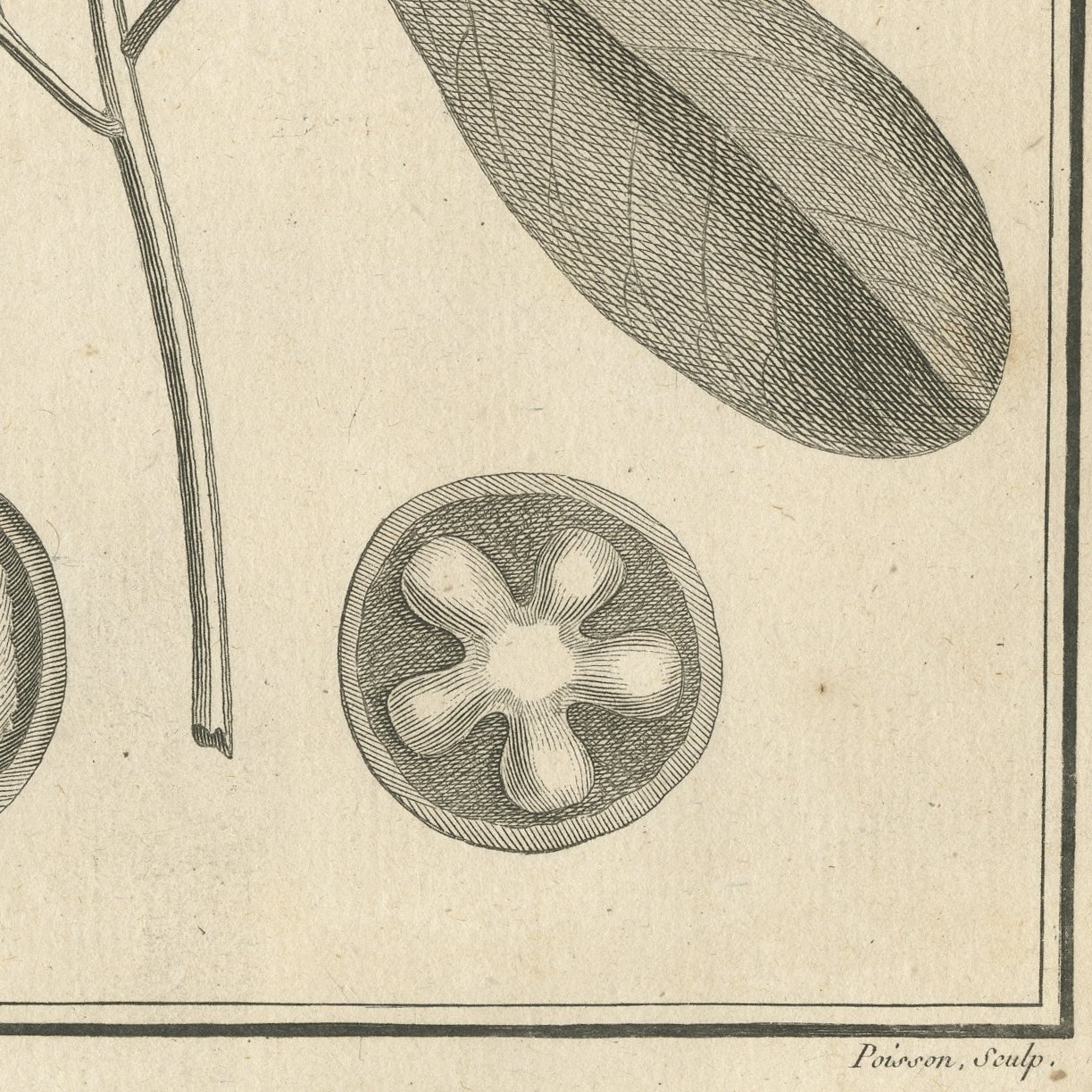
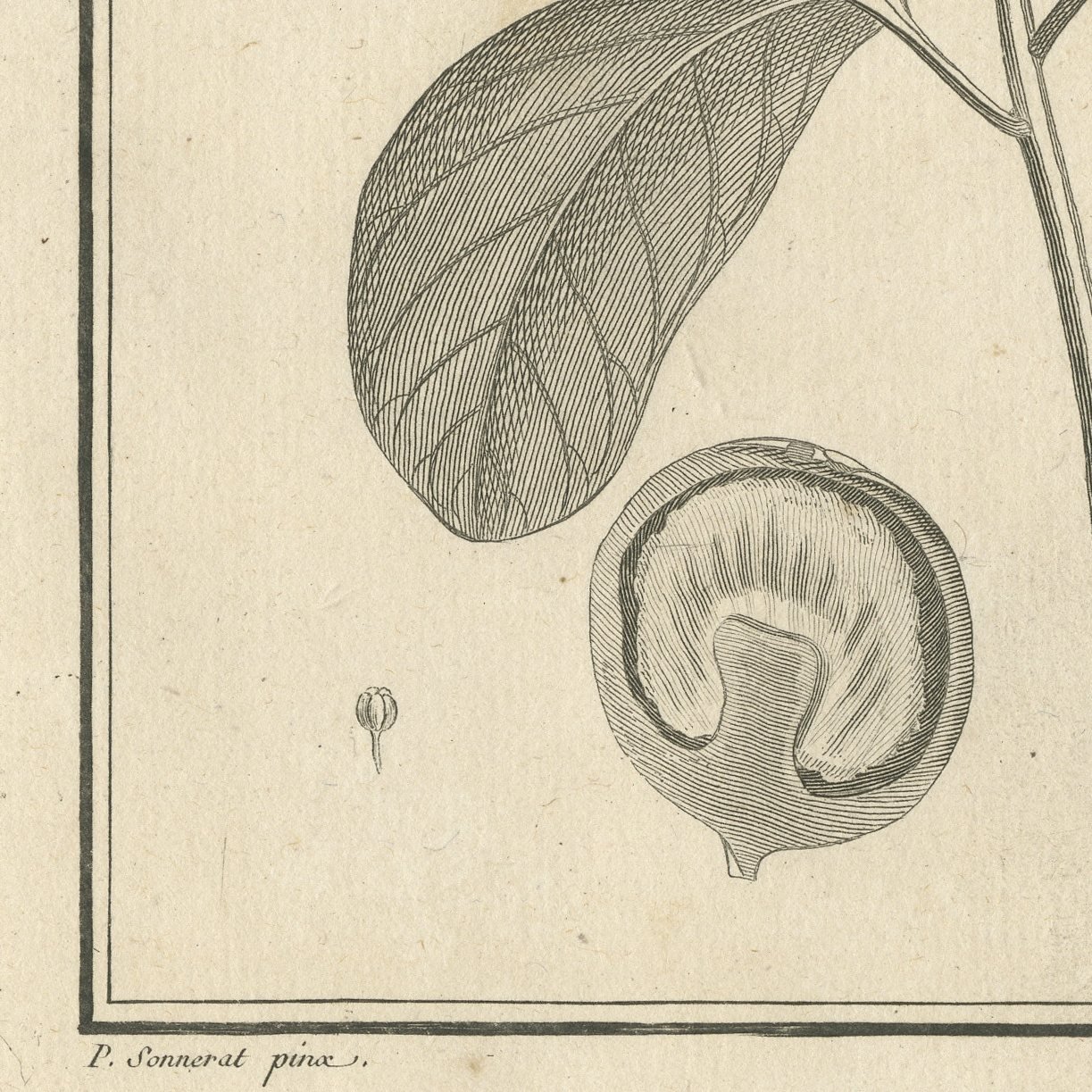
Plate 127 of Sonnerat's Voyage aux Indes Orientales et a la Chine is an original antique engraving of the ravensara of Madagascar, a leafy branch bearing a single round fruit, with the fruit sectioned twice below and a small flower beside it. Beneath the image the sheet is lettered RAVENSARA., with P. Sonnerat pinx. at the lower left and Poisson sculp. at the lower right, and the plate number 127 at the upper right.
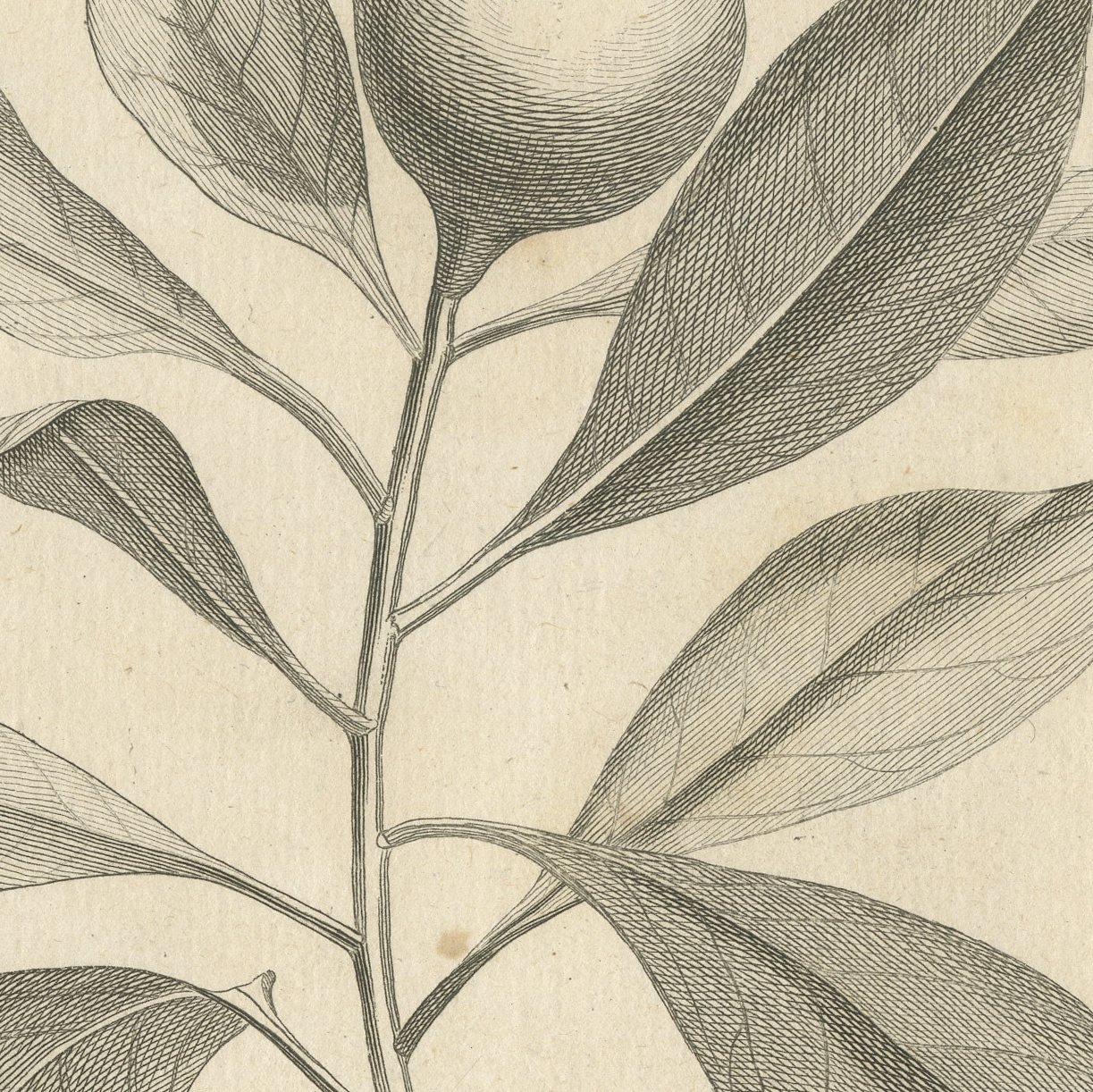
Pierre Sonnerat published his Voyage aux Indes Orientales et a la Chine in Paris in 1782, and the plates were reissued in this separate folio volume by Dentu in 1806 under the title Collection de planches pour servir au Voyage aux Indes Orientales et a la Chine. Every image was drawn by Sonnerat himself during the voyage he made for the French crown between 1774 and 1781 and then cut on copper by the Paris engravers who worked for him. It is an original copperplate engraving, printed from the intaglio plate onto laid paper. The engraved plate number stands at the upper right, the artist and engraver credits run along the foot of the image and the caption is lettered beneath. The sheet is uncolored, as the plate volume was issued.
The botanical plates close the volume and are the quietest sheets in it. Sonnerat drew the useful and the strange: the spice plants, the fruit trees and the flowering trees of the Indian Ocean, generally with a fruit or a flower taken apart and drawn separately so that the structure can be read. Sonnerat is remembered in the names of the things he found. The mangrove genus Sonneratia carries his name, so does the gray junglefowl Gallus sonneratii, and the botanical author abbreviation Sonn. stands for him. He was the first to put the name aye-aye into print, and the name indri entered European use through him as well. The plates in this volume are the record of that work.
Light uneven toning, browner towards the edges. Marked handling soiling along the bottom, right and top edges. Scattered light foxing in the margin. Slight wear at the bottom right corner.
This is an original antique print, not a modern reproduction. This item is sold unframed.