 The sheet, as you receive it
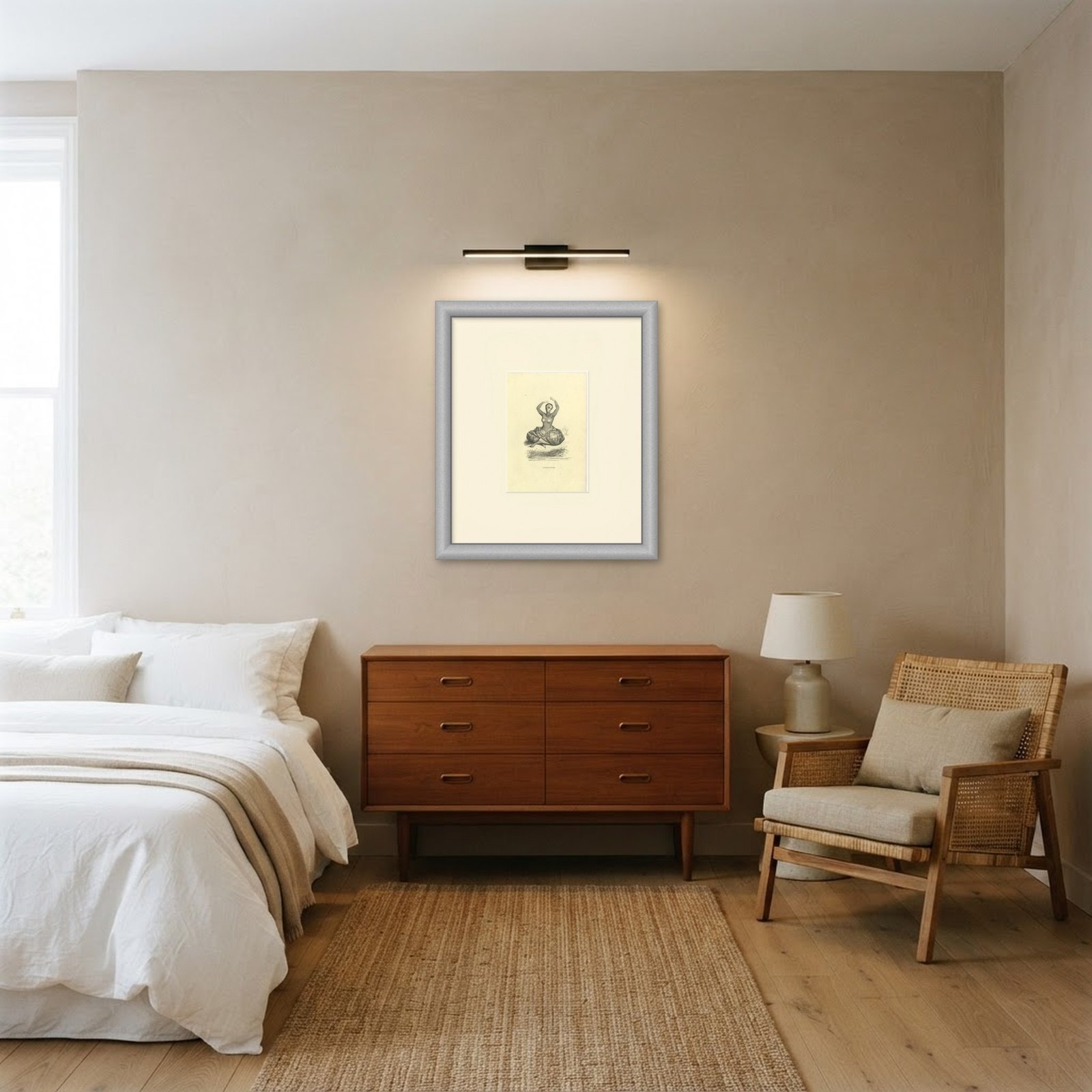 In the room
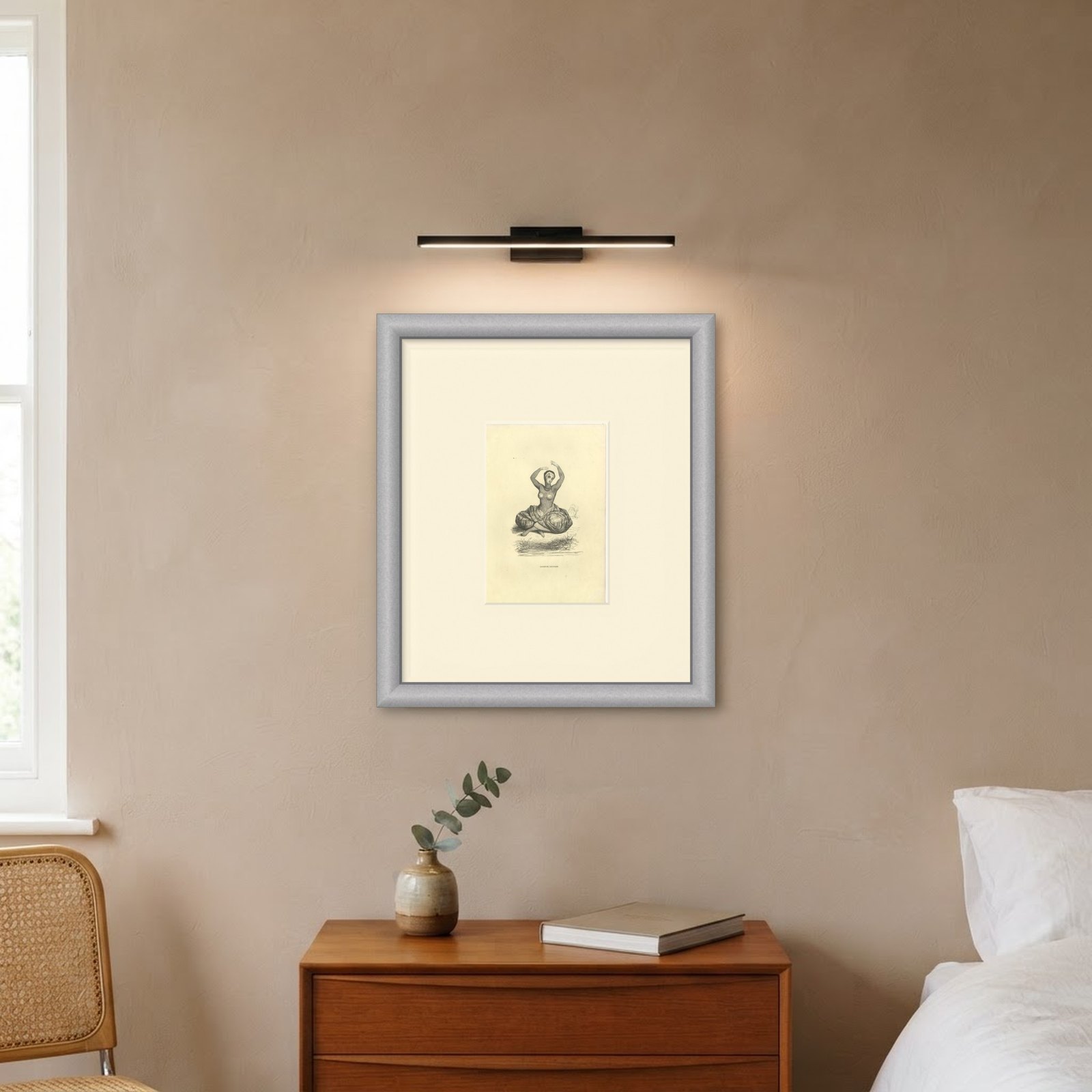
Interior designers: BarTrade members buy at their trade price. How it works
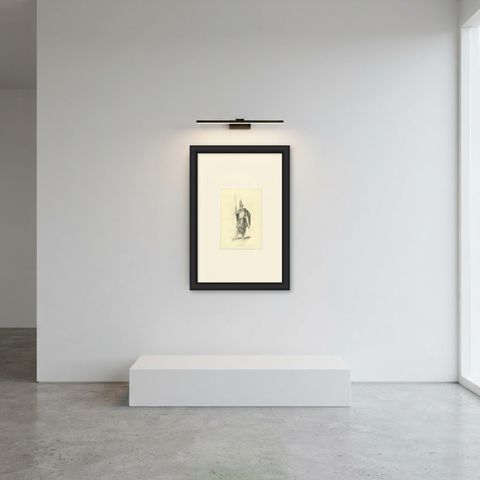
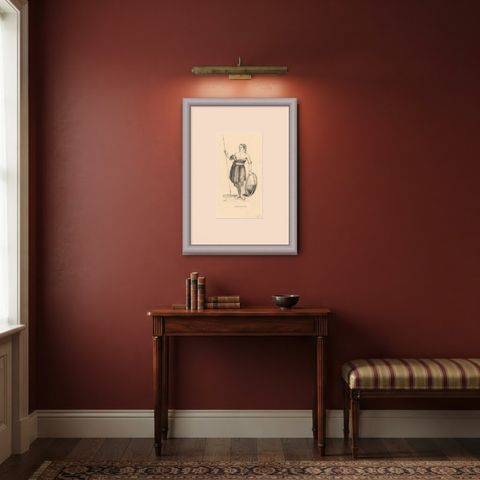
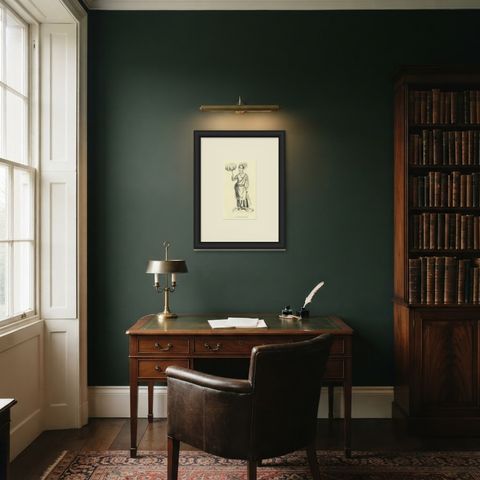
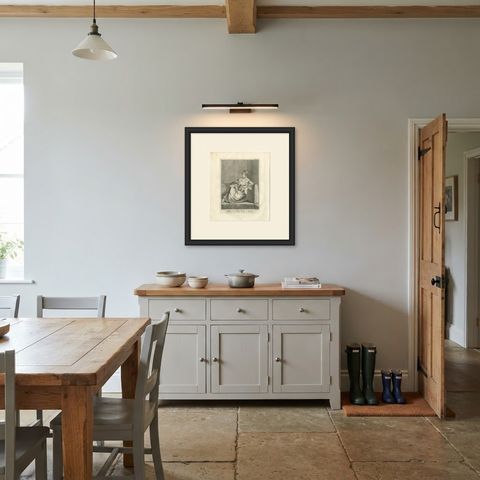
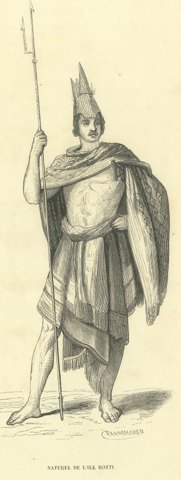
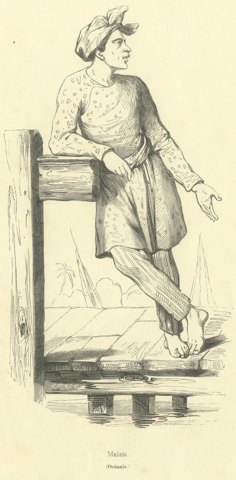
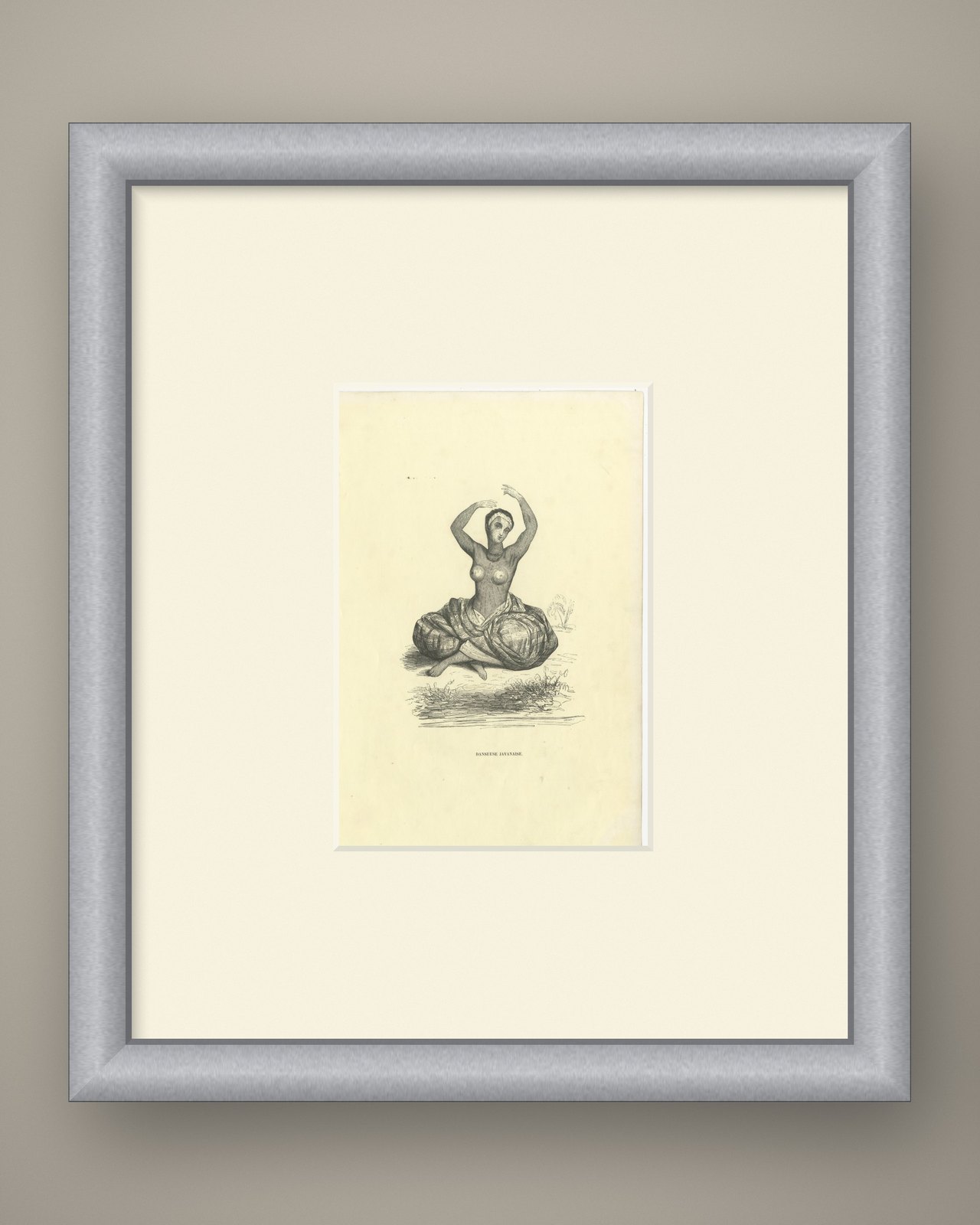
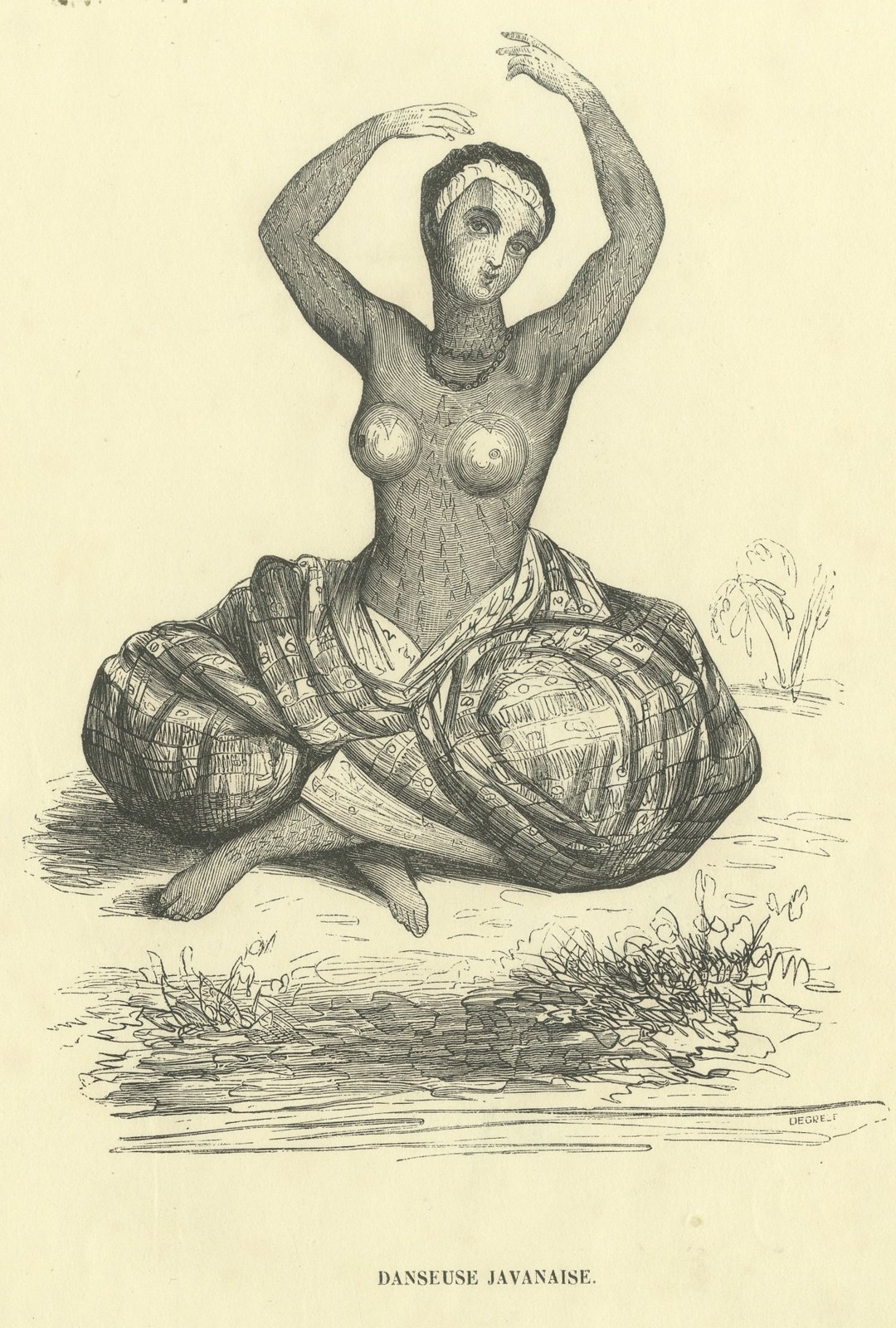
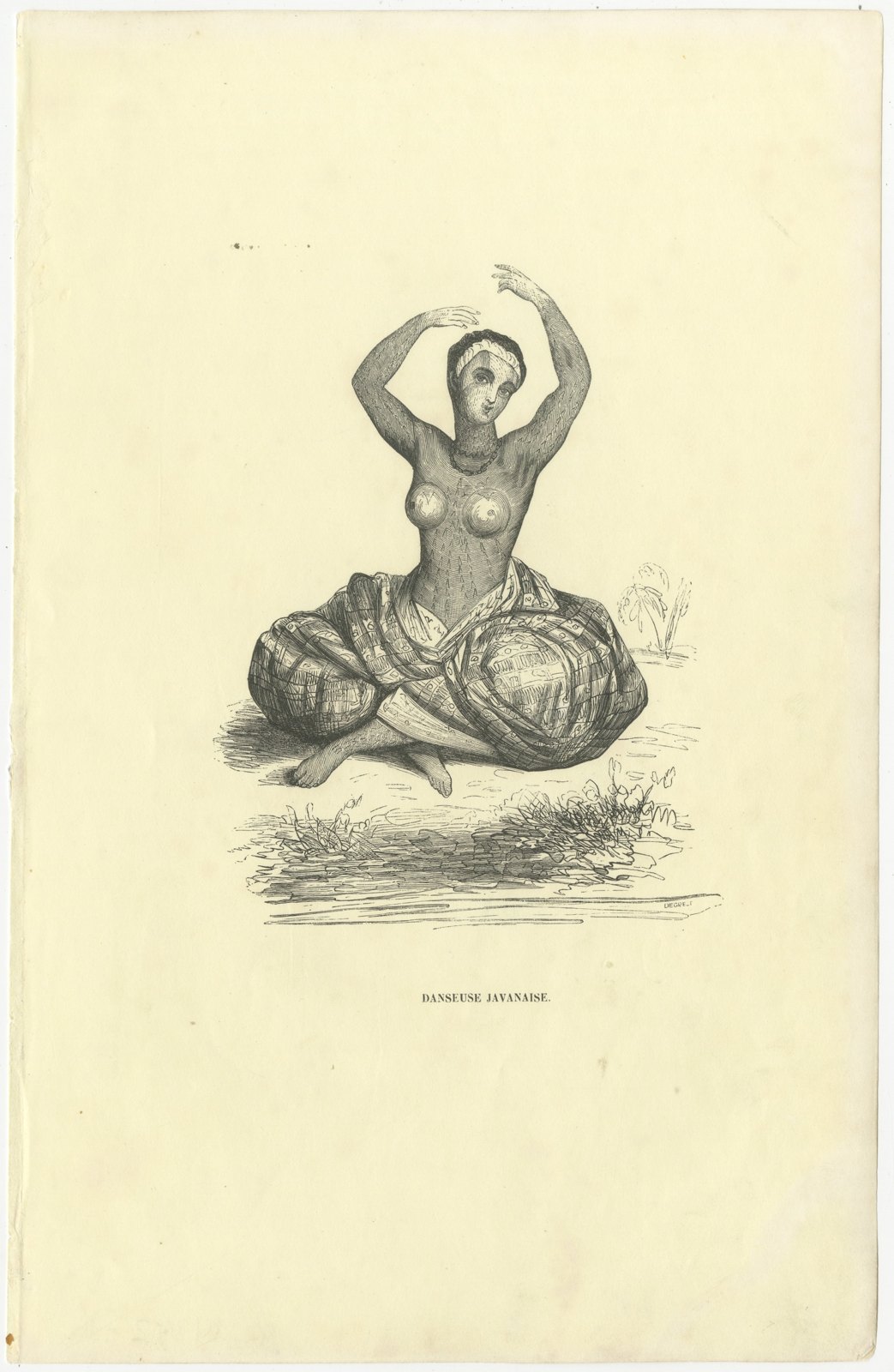
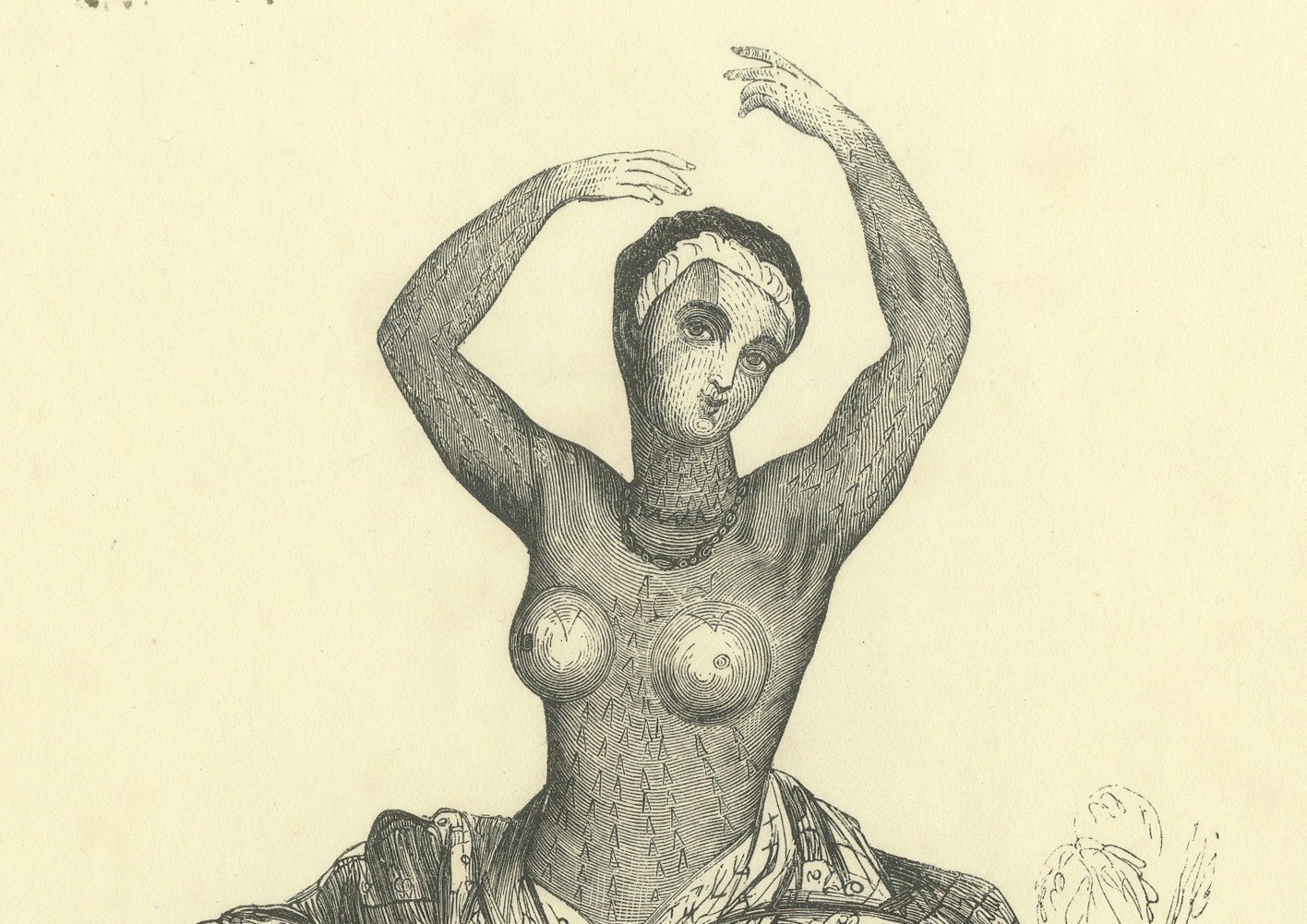
An original antique wood engraving of a Javanese dancer, an ethnographic costume print from Auguste Wahlen's Moeurs, usages et costumes de tous les peuples du monde, published in Brussels between 1843 and 1844. The plate is lettered “Danseuse Javanaise”. Java was the administrative heart of the Dutch East Indies, and by the eighteen forties its courts at Surakarta and Yogyakarta maintained refined traditions of dance that were performed at court ceremonies and were among the first things European visitors recorded and tried to describe. Dance on Java carried religious and courtly meaning as well as entertainment, and European accounts of the period rarely grasped that distinction. A Javanese dancer was for that reason a predictable subject for a costume series of this kind, and the compilers worked from published travel narratives rather than from life.
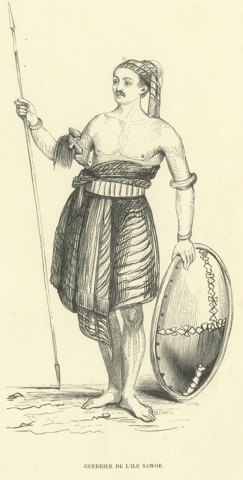
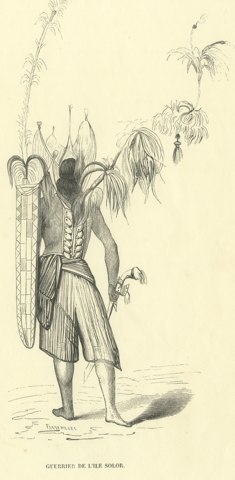
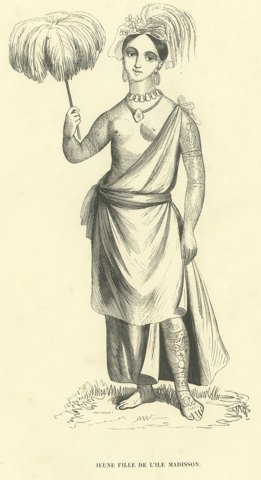
Moeurs, usages et costumes de tous les peuples du monde was published in Brussels by Auguste Wahlen at the Librairie Historique-Artistique between 1843 and 1844. The four volumes set out to describe the dress, customs, occupations and social divisions of the peoples of Europe, Asia, Africa, the Americas and Oceania, drawing on travel narratives, earlier costume books and other sources then treated as authoritative, and they carried approximately one hundred and ninety to two hundred plates, the count varying between copies and editions.
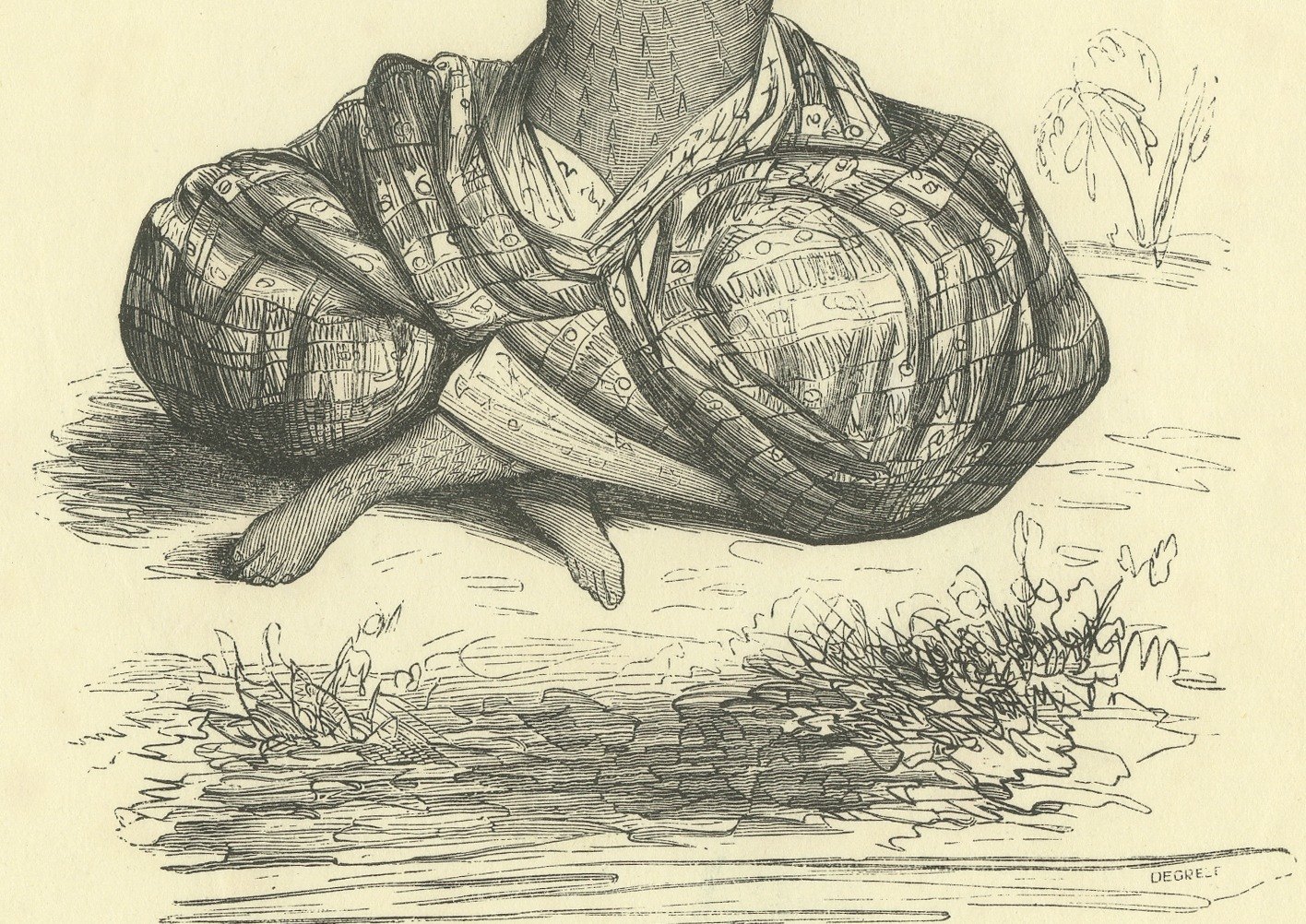
Wahlen was the publisher and compiler rather than the artist; where a name such as Duverger, Pannemaker, Mercier, Lisbet, Markaert or Vermorcken appears on a sheet it belongs to the illustrator or the engraver, and no artist is attributed here without one.
The plates are wood engravings on paper. The images should be read as a nineteenth century European interpretation of the cultures they show rather than as a documentary record, which is a large part of what makes the series interesting to historians of the period. This impression is uncolored. The sheet is of real interest to collectors of Indonesia and of the Dutch East Indies, and to anyone concerned with the history of Javanese dance and of how it was represented abroad. Java plates from this series are keenly collected in the Netherlands and in Indonesia. The print suits a study, a music room or a hallway, and this ethnographic print groups well with other Wahlen costume prints of Asian subjects in a set of four or six.
The sheet is in good condition for its age, with a small stain at the lower left edge and light edge wear; the image itself is clean.
This is an original antique print, not a modern reproduction. This item is sold unframed.