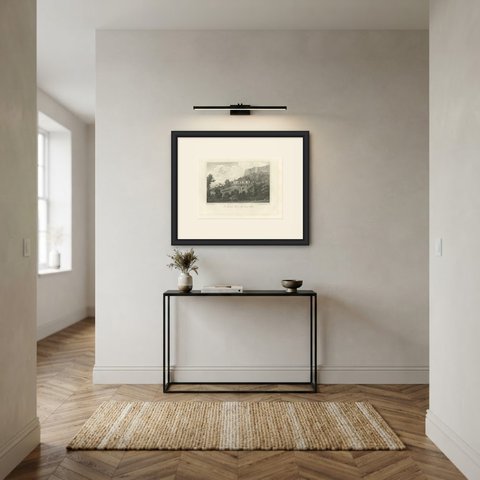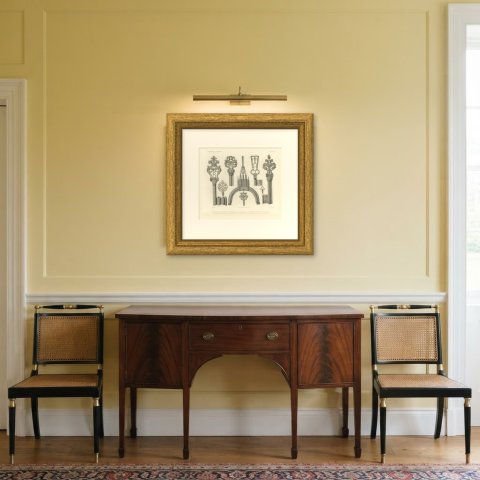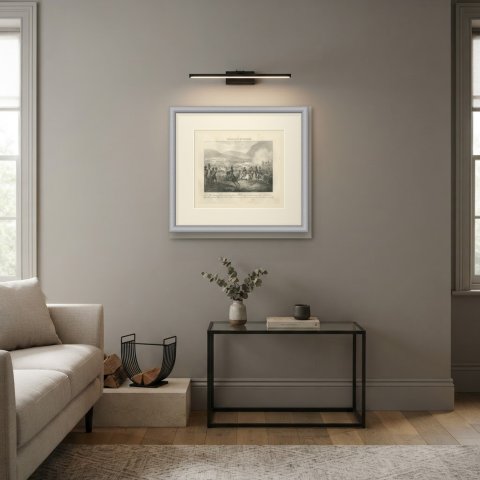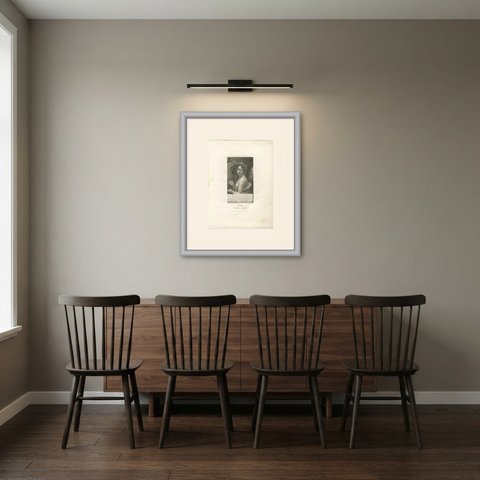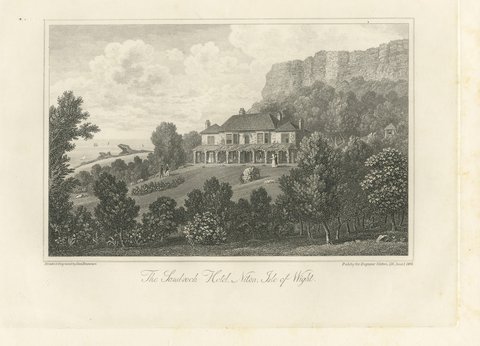
 The sheet, as you receive it
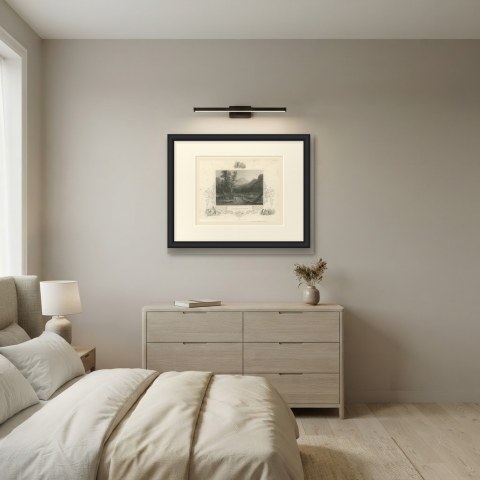
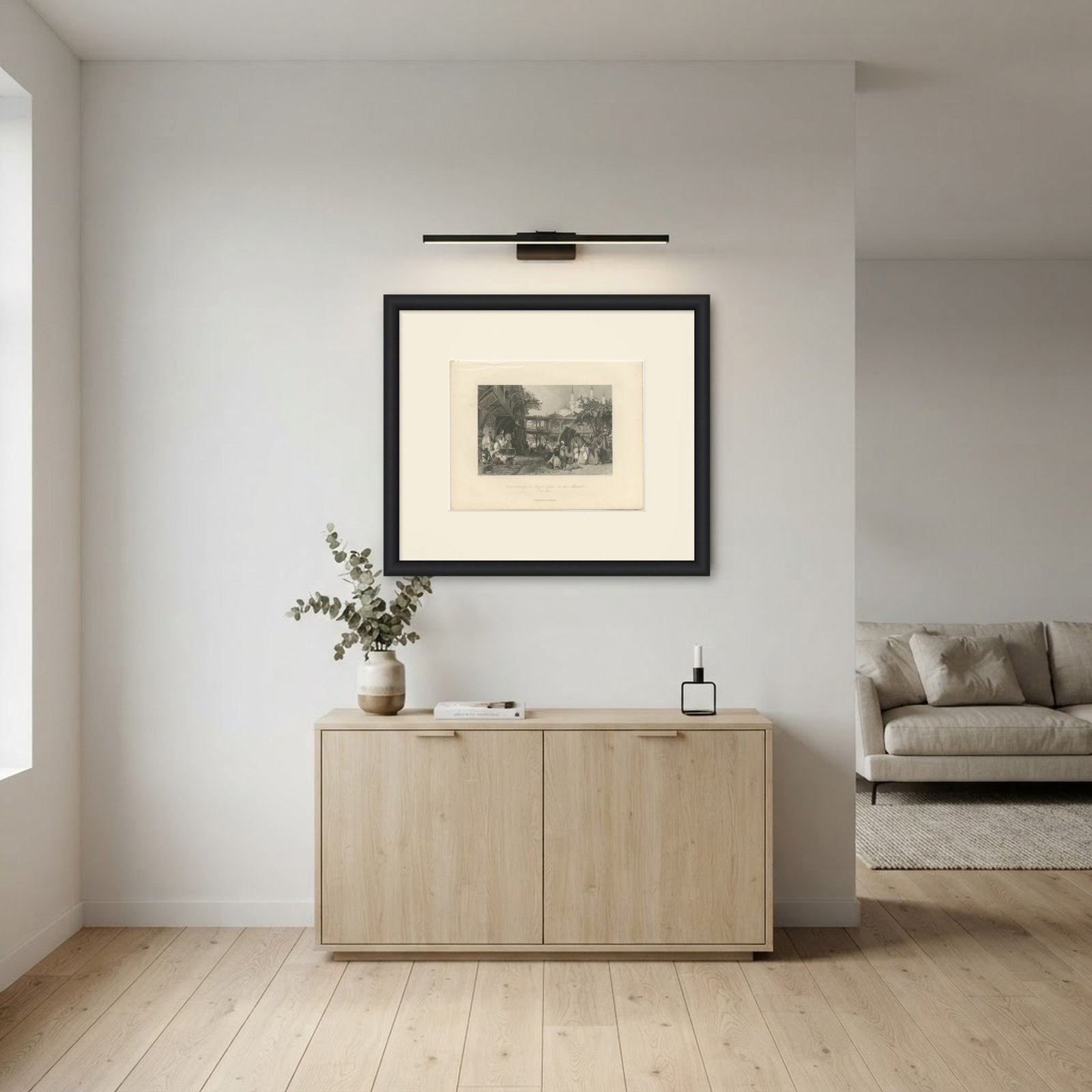 In the room
Interior designers: BarTrade members buy at their trade price. How it works
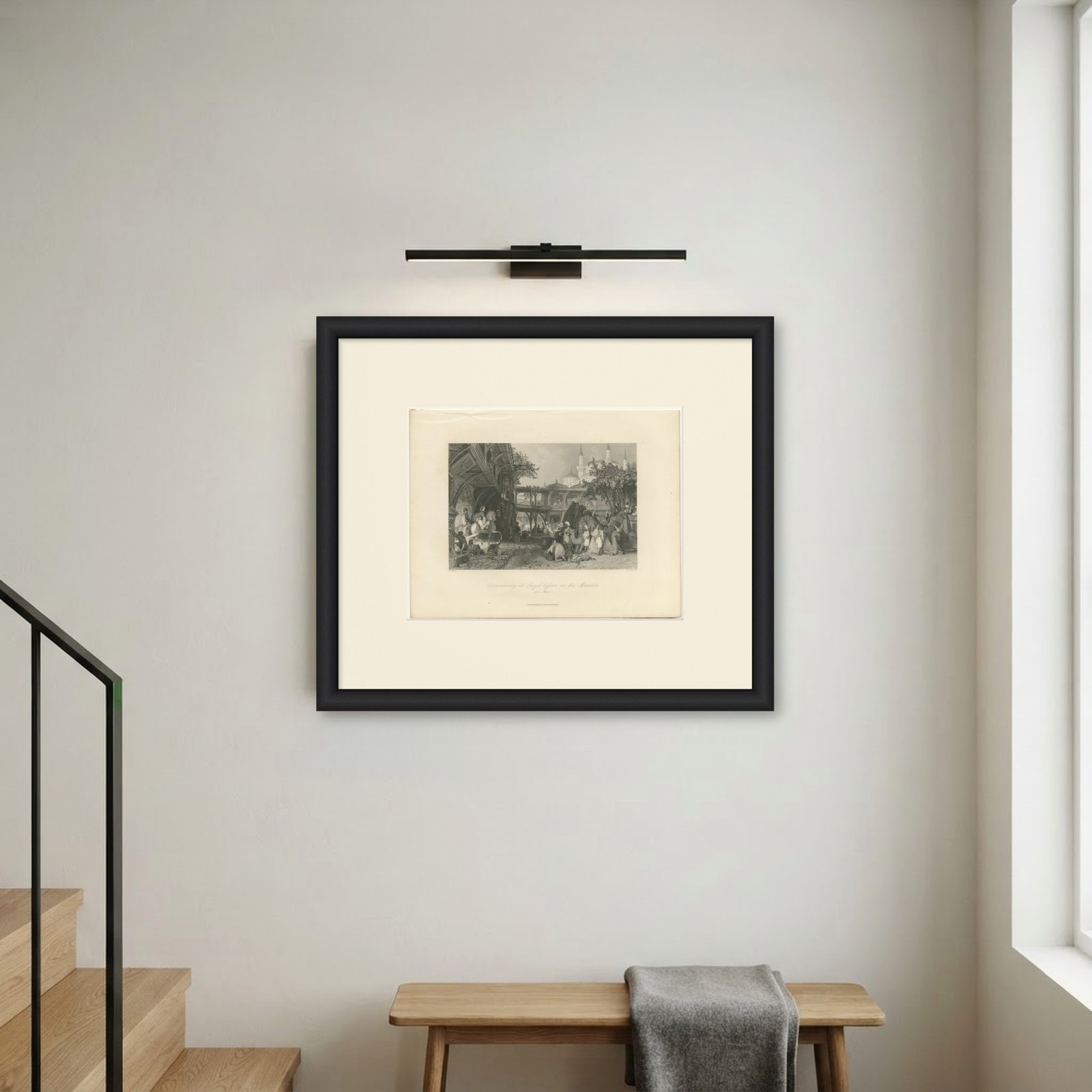
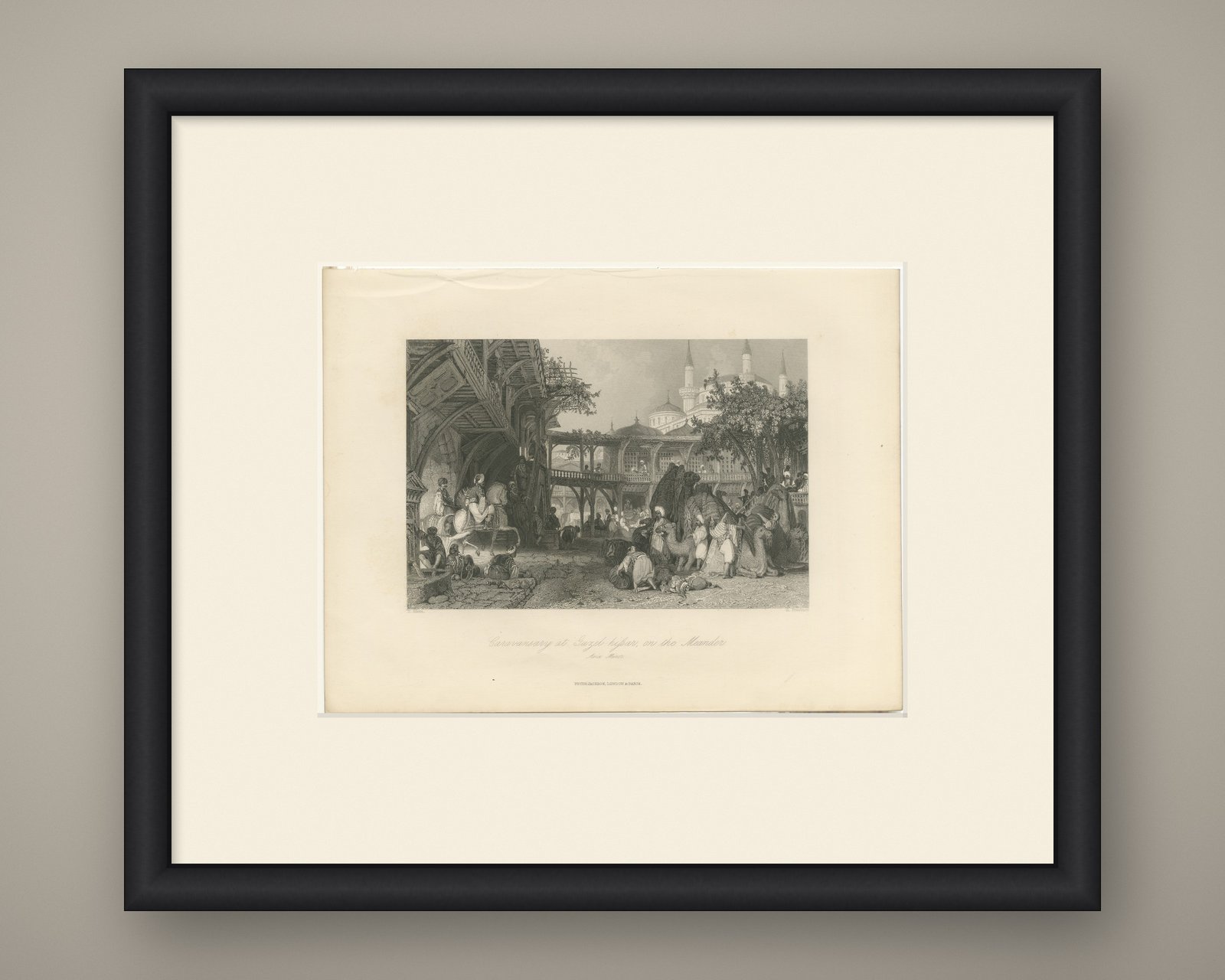
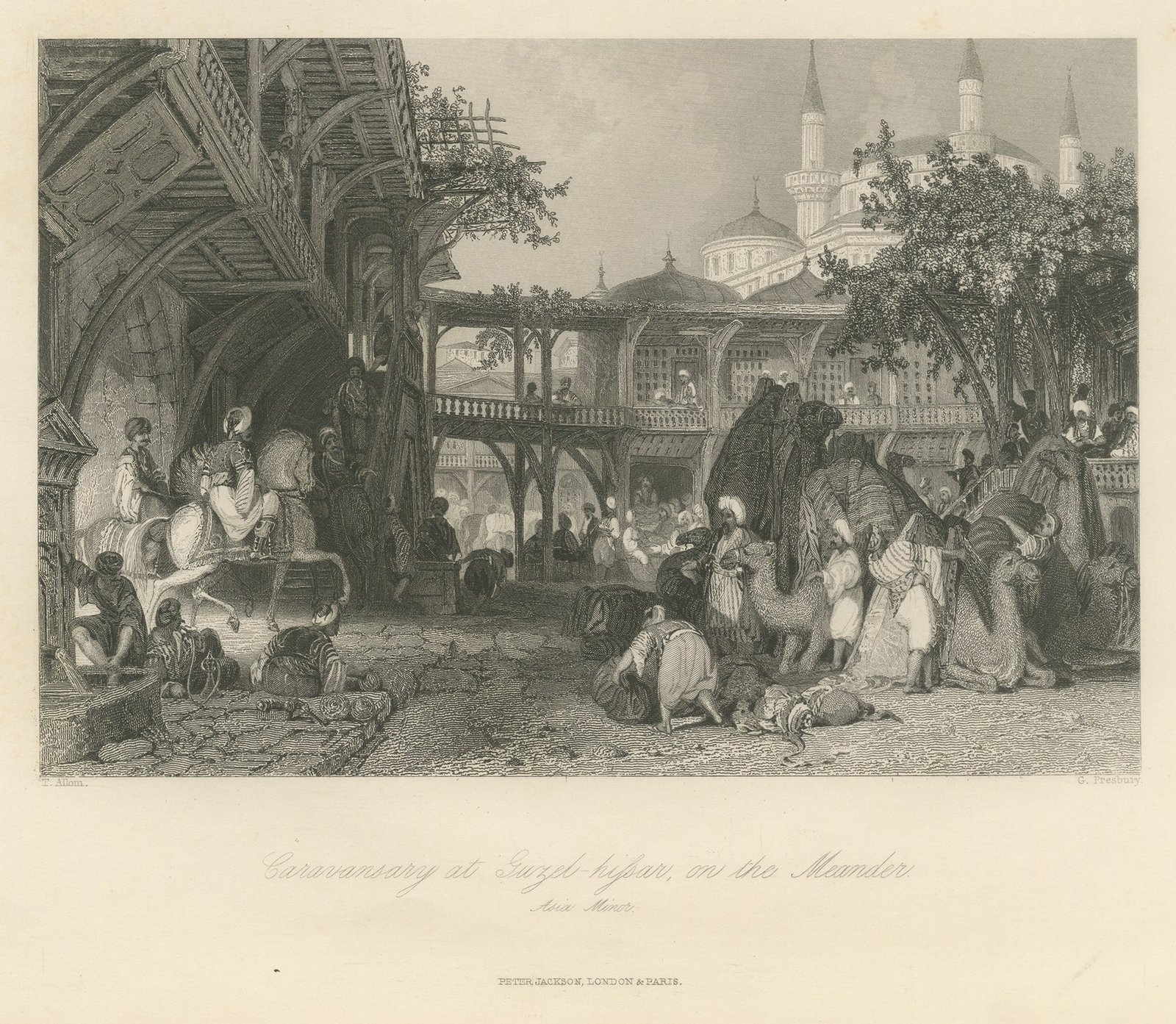
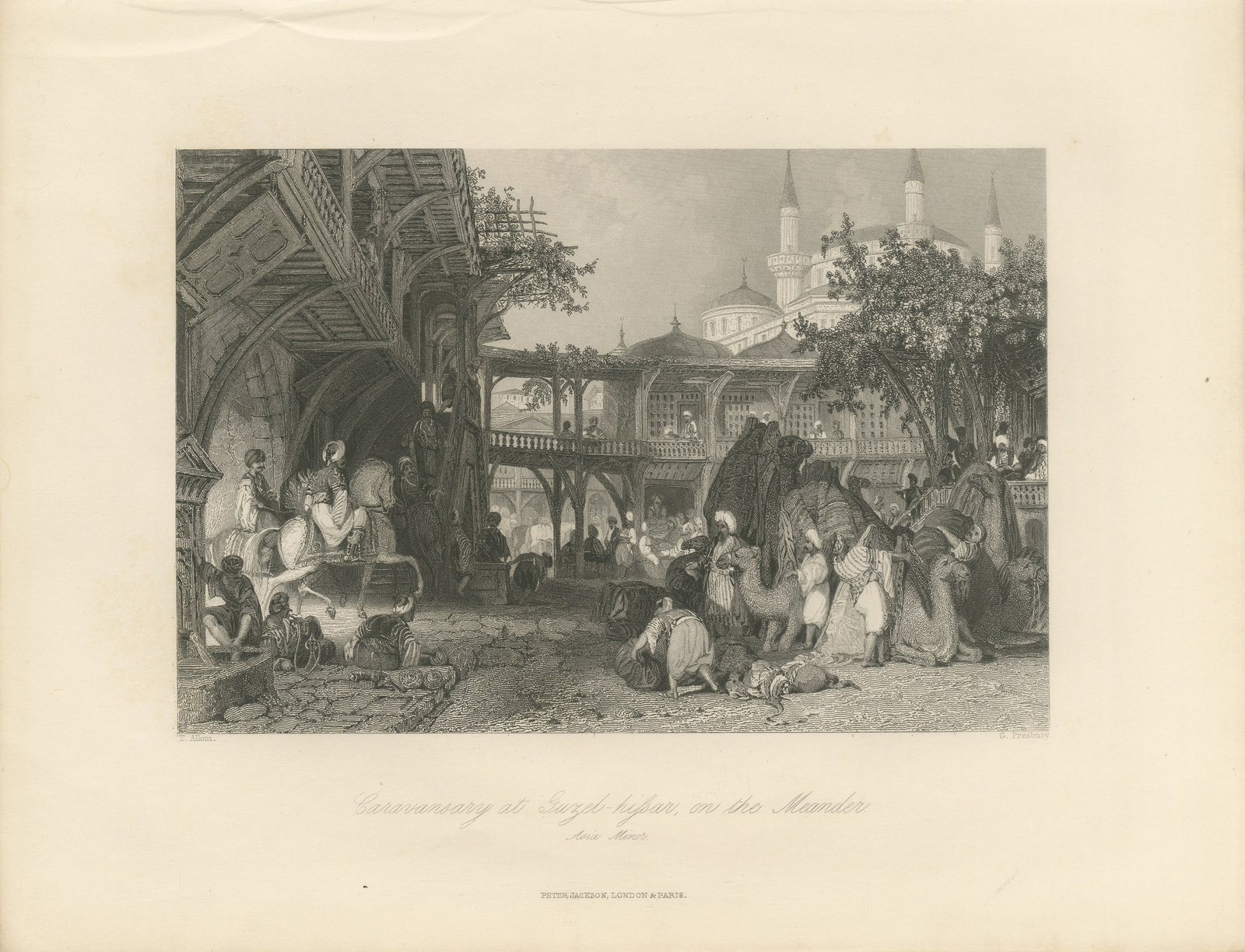
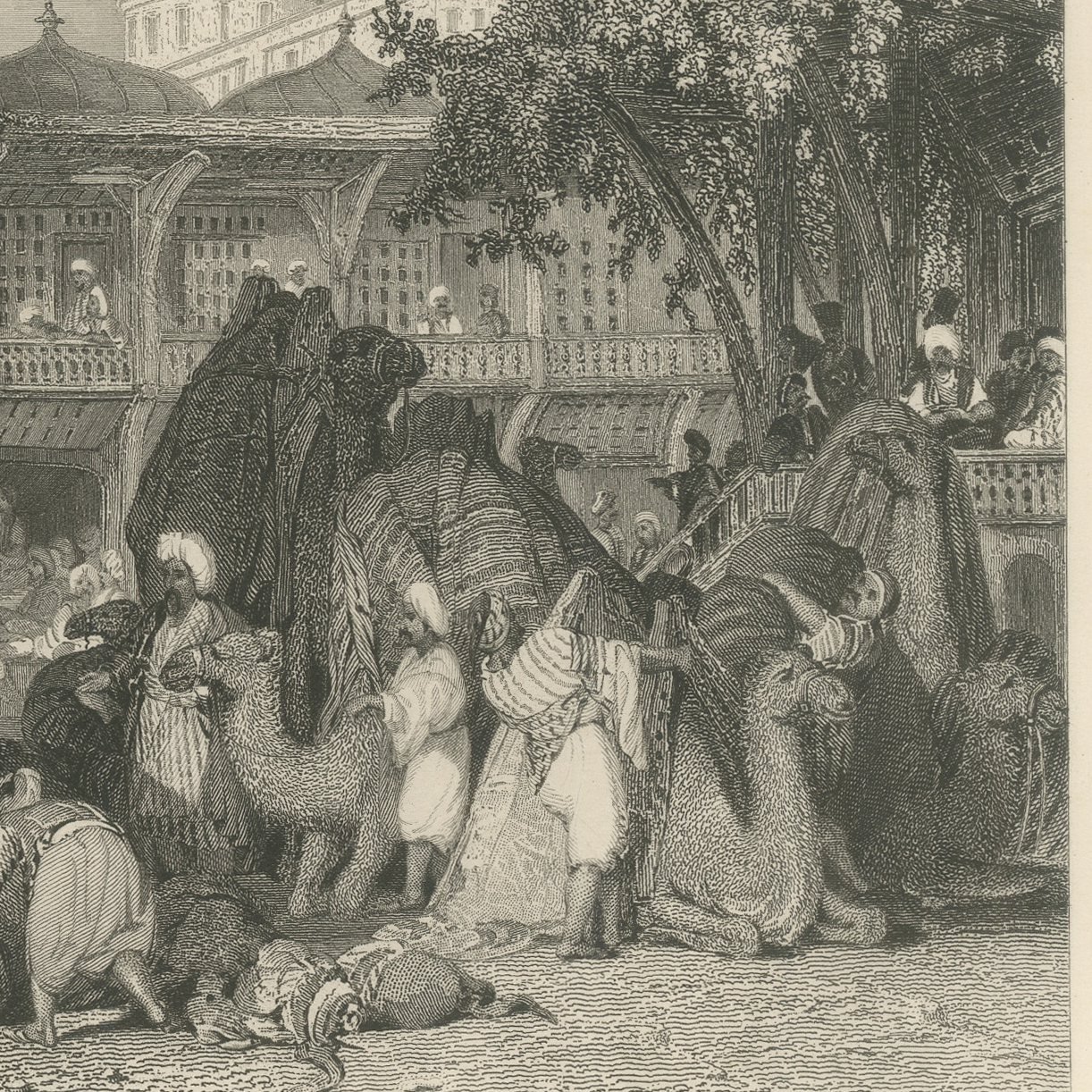
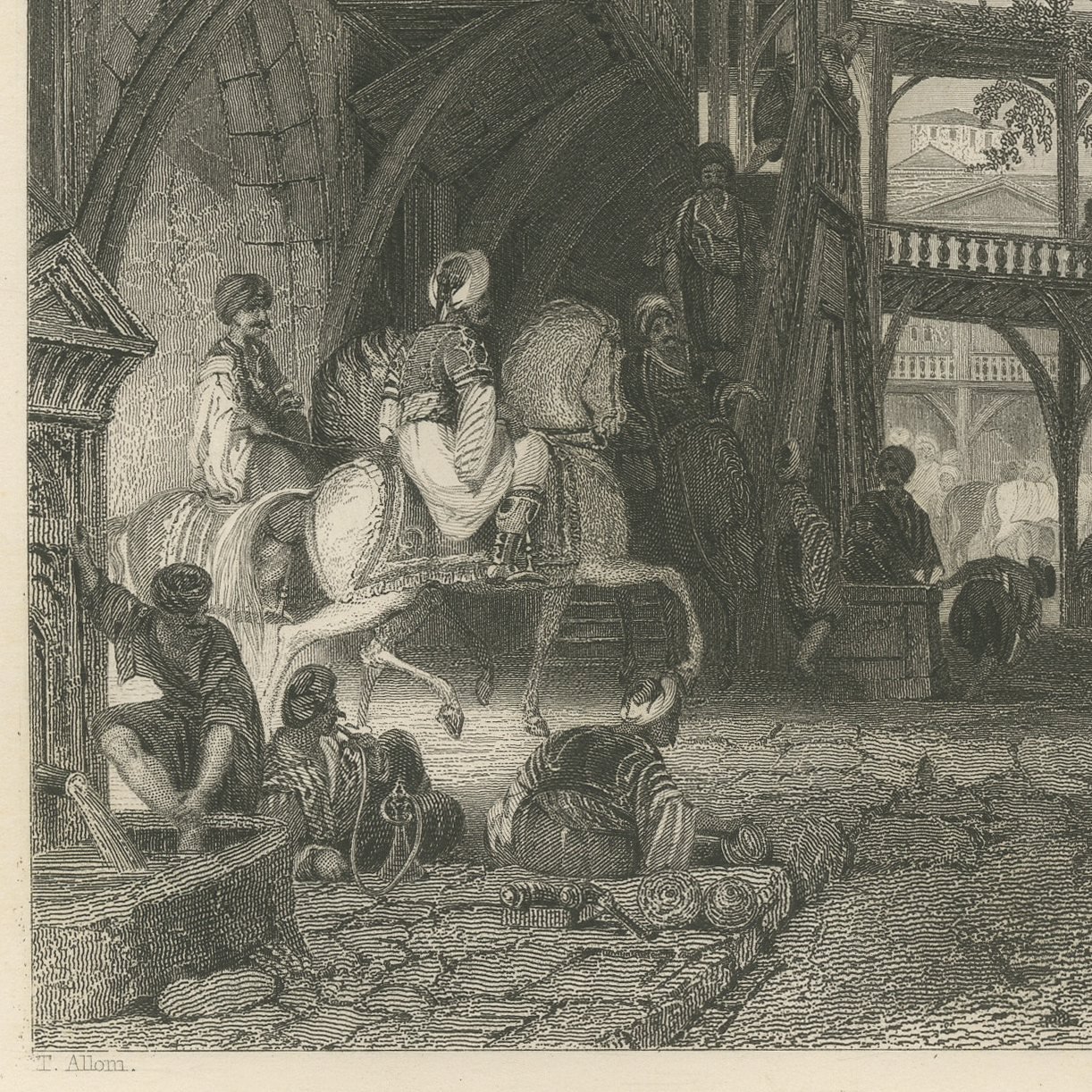
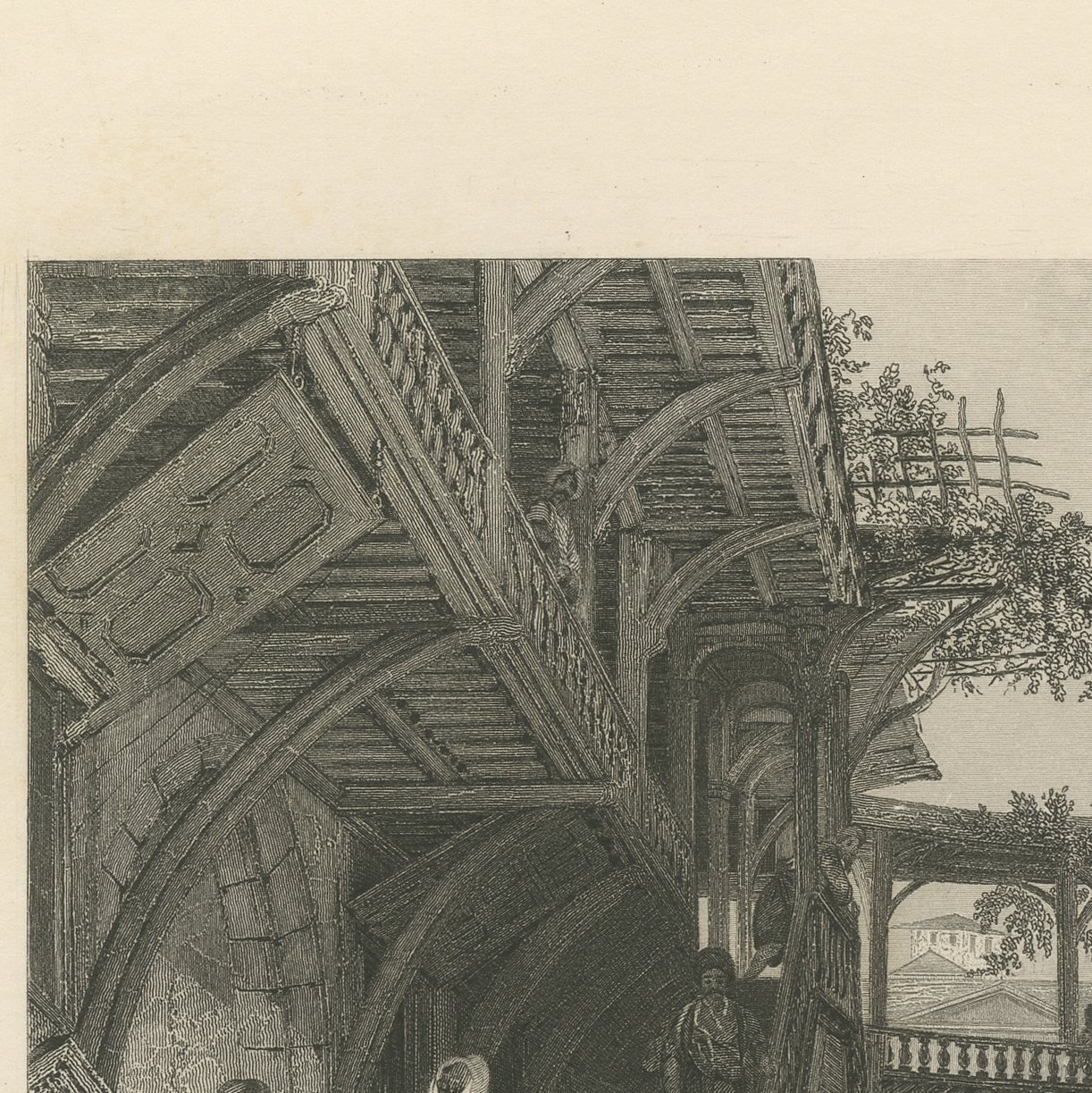
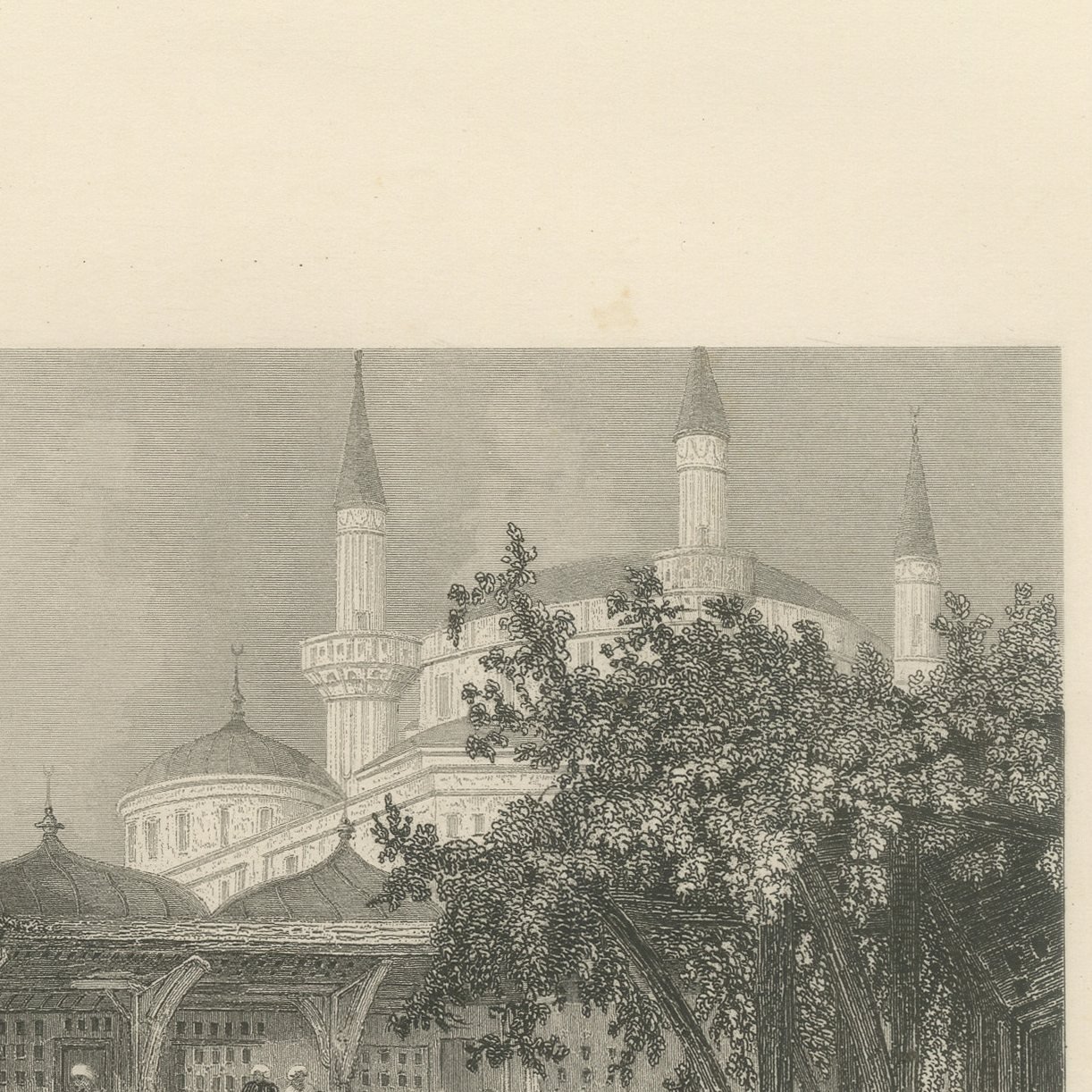
This original antique steel engraving, Caravansary at Guzel-Hissar on the Meander, Asia Minor, is a plate from the second volume of The Turkish Empire Illustrated, published in London by Peter Jackson about 1850. The sheet shows the courtyard of a caravansary on the Meander, its arcades and chimneys closing three sides, camels couched and being unloaded in the open center and merchants and drivers grouped under the arches with their bales.
The plate comes from the second volume of The Turkish Empire Illustrated: Constantinople and its Environs, with the Scenery of the Seven Churches of Asia Minor, drawn from nature by Thomas Allom with descriptions by the Reverend Robert Walsh, chaplain to the British embassy at the Ottoman Porte. The steel plates were first cut for Fisher, Son and Company in the late eighteen thirties and printed again for this edition by Peter Jackson at the Caxton Press in Angel Street, Saint Martin's le Grand, London, about 1850.
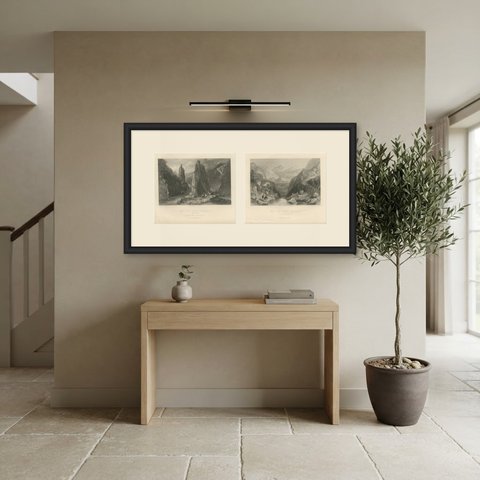
Guzel Hissar, the modern Aydin, stood on the old caravan road down the Meander valley to the Aegean, and the caravansary was the fortified inn that made that trade possible. Interiors of working caravansaries are an uncommon subject and the camels give the plate its appeal. The technique is steel engraving. A steel plate yields many thousands of impressions without the softening that copper suffers after a few hundred, and that is what made illustrated travel books on this scale possible. The result is the very fine close worked line seen here, particularly in the skies and the water, and an impression that stays crisp across the whole edition. A sheet of this size hangs well in a simple dark frame with a generous off-white mount, and a row of them along a hall or above a stair makes the kind of quiet topographical sequence that collectors of travel engraving look for.
Even age toning. Handling soiling along the bottom, left and right edges. A few small foxing spots in the margin. Slight wear at the top right corner.
This is an original antique print, not a modern reproduction. This item is sold unframed.