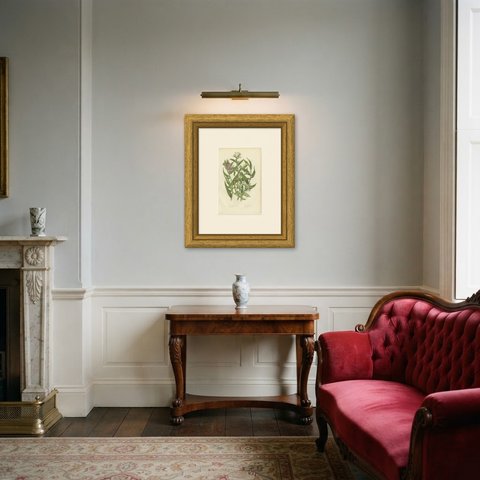
 The sheet, as you receive it
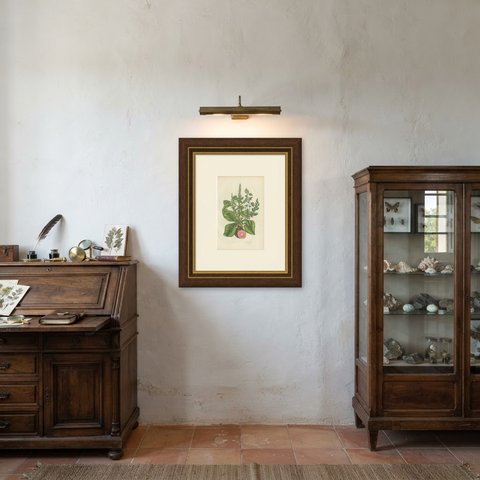
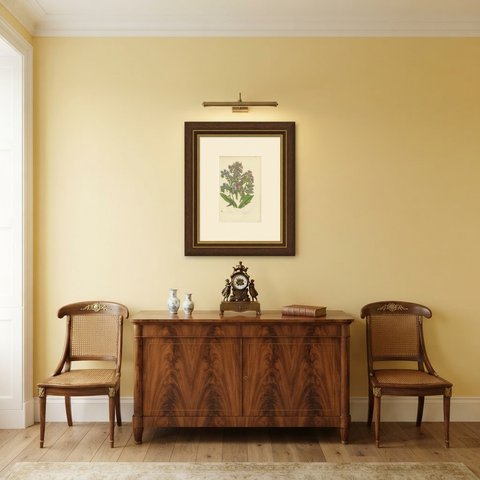
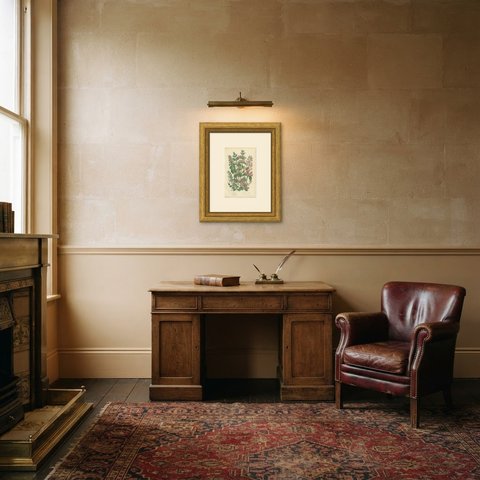
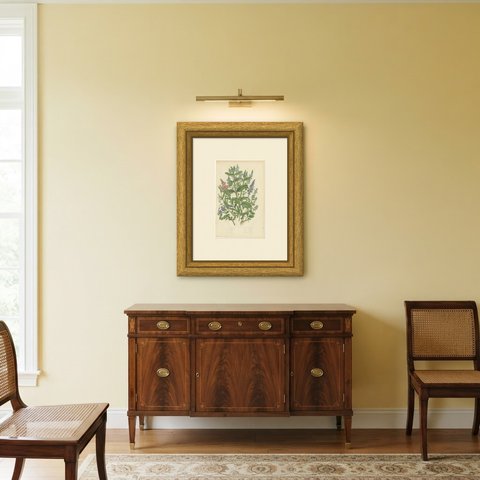
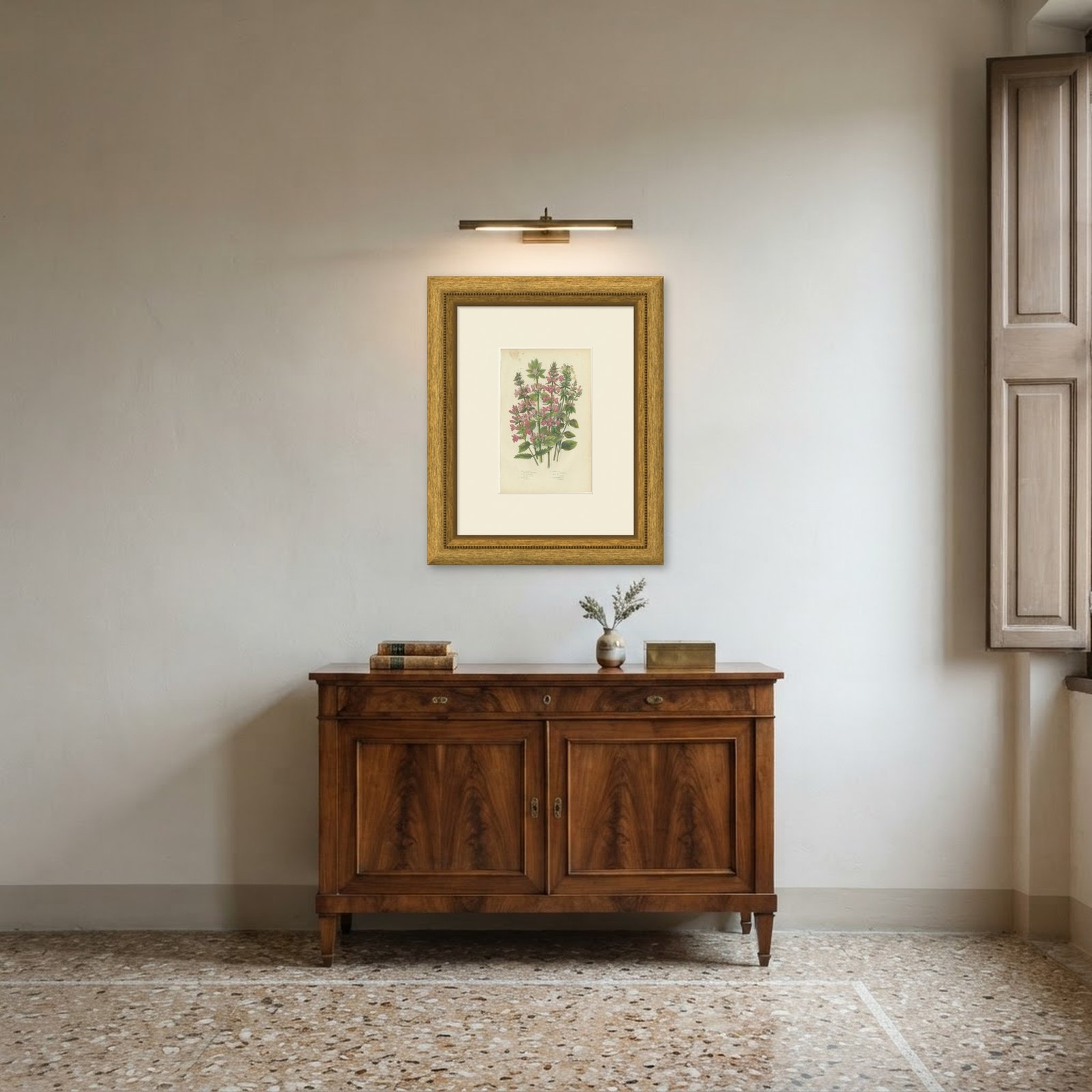 In the room
Interior designers: BarTrade members buy at their trade price. How it works
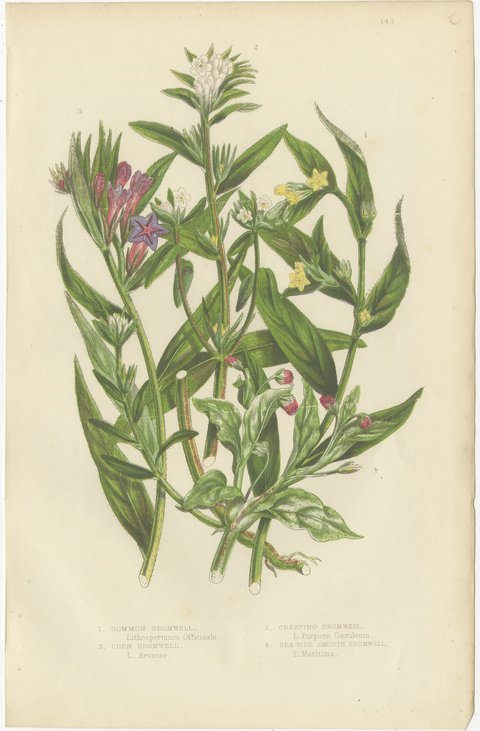
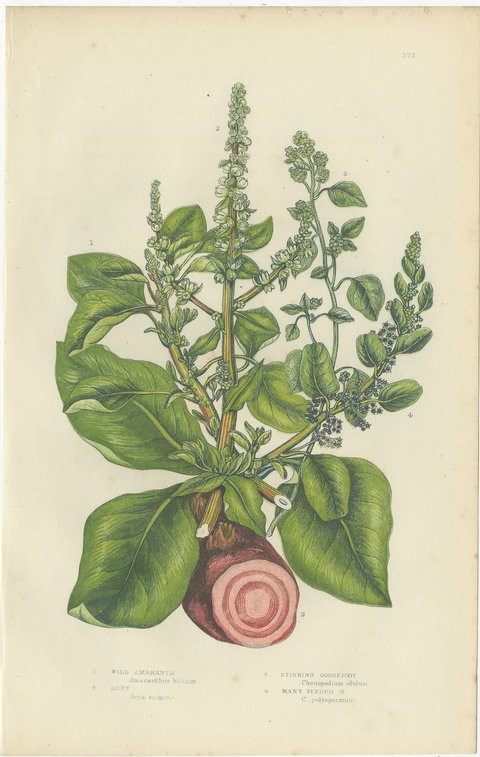
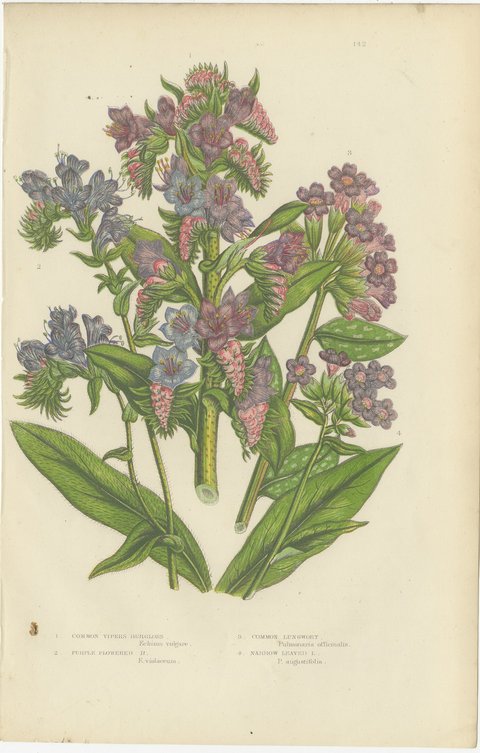
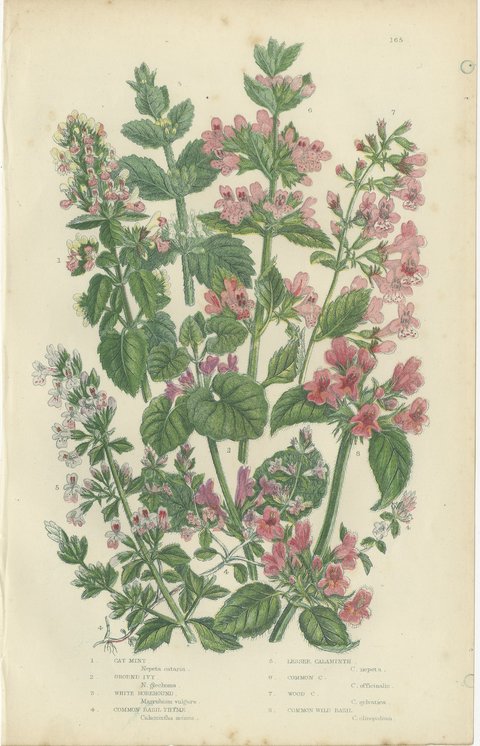
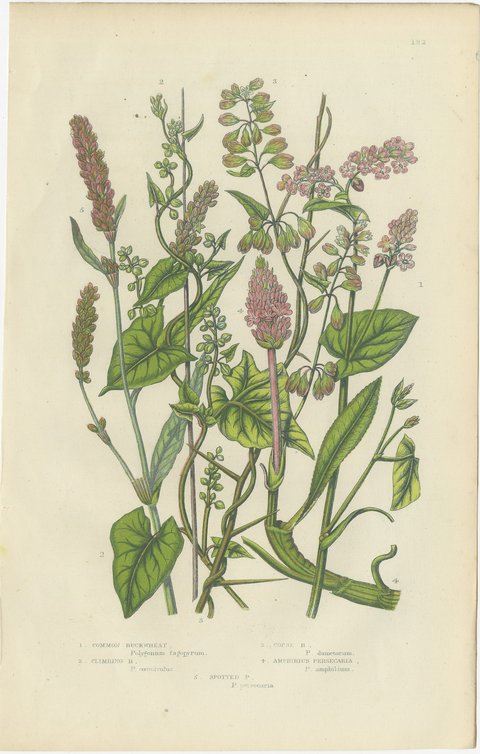
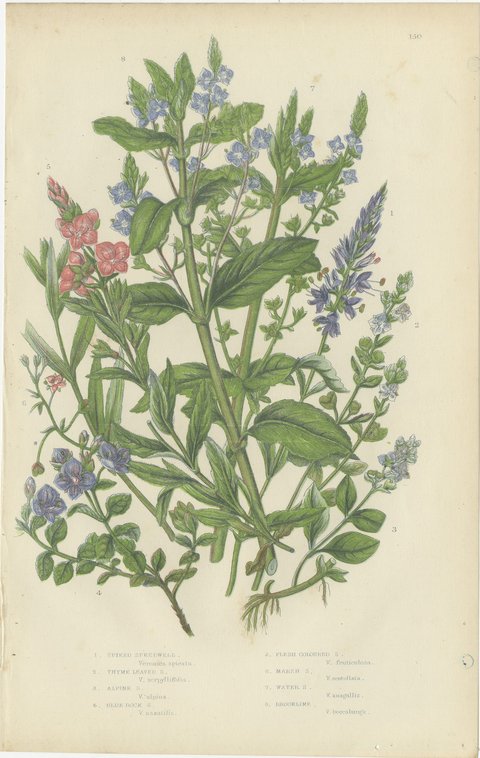
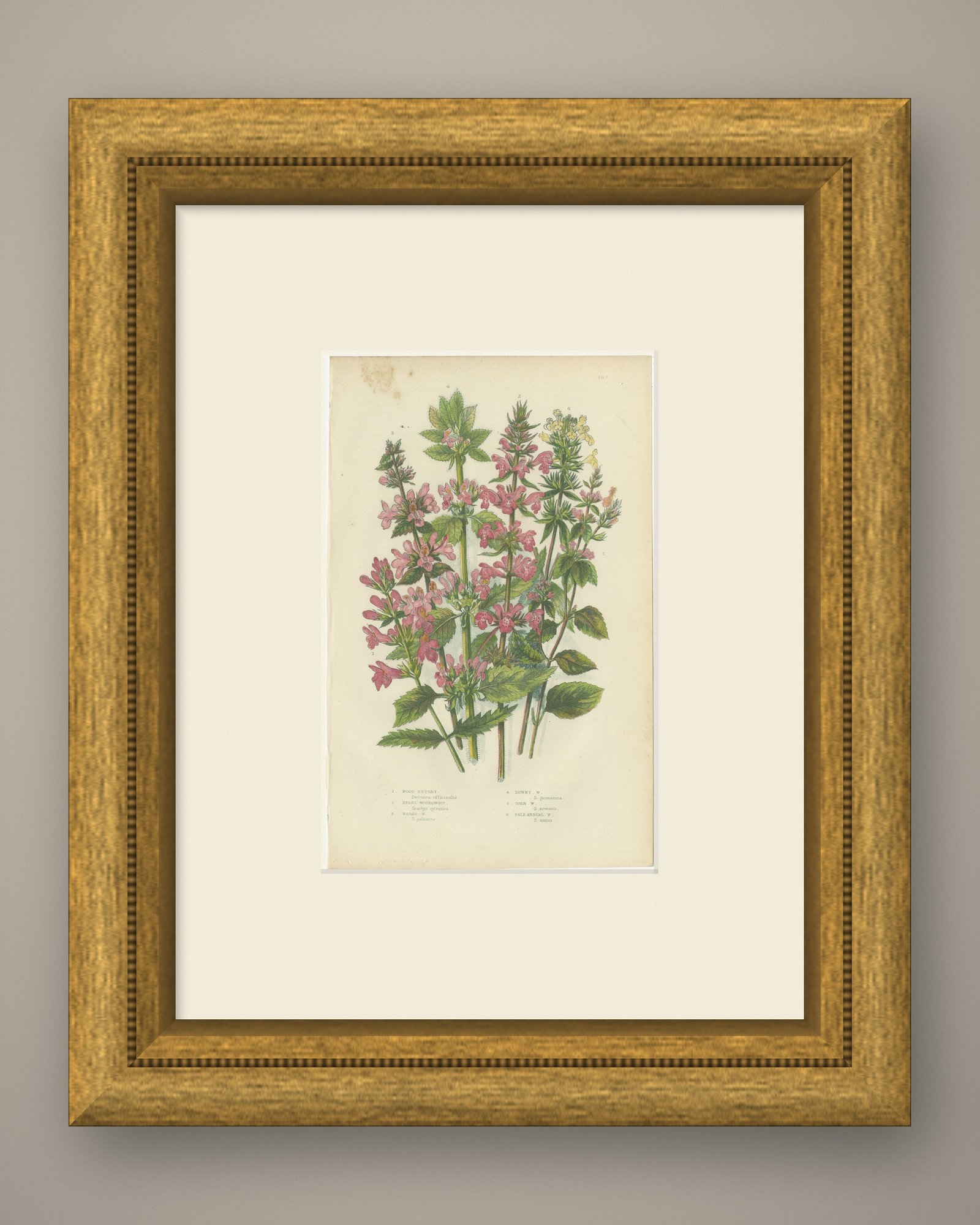
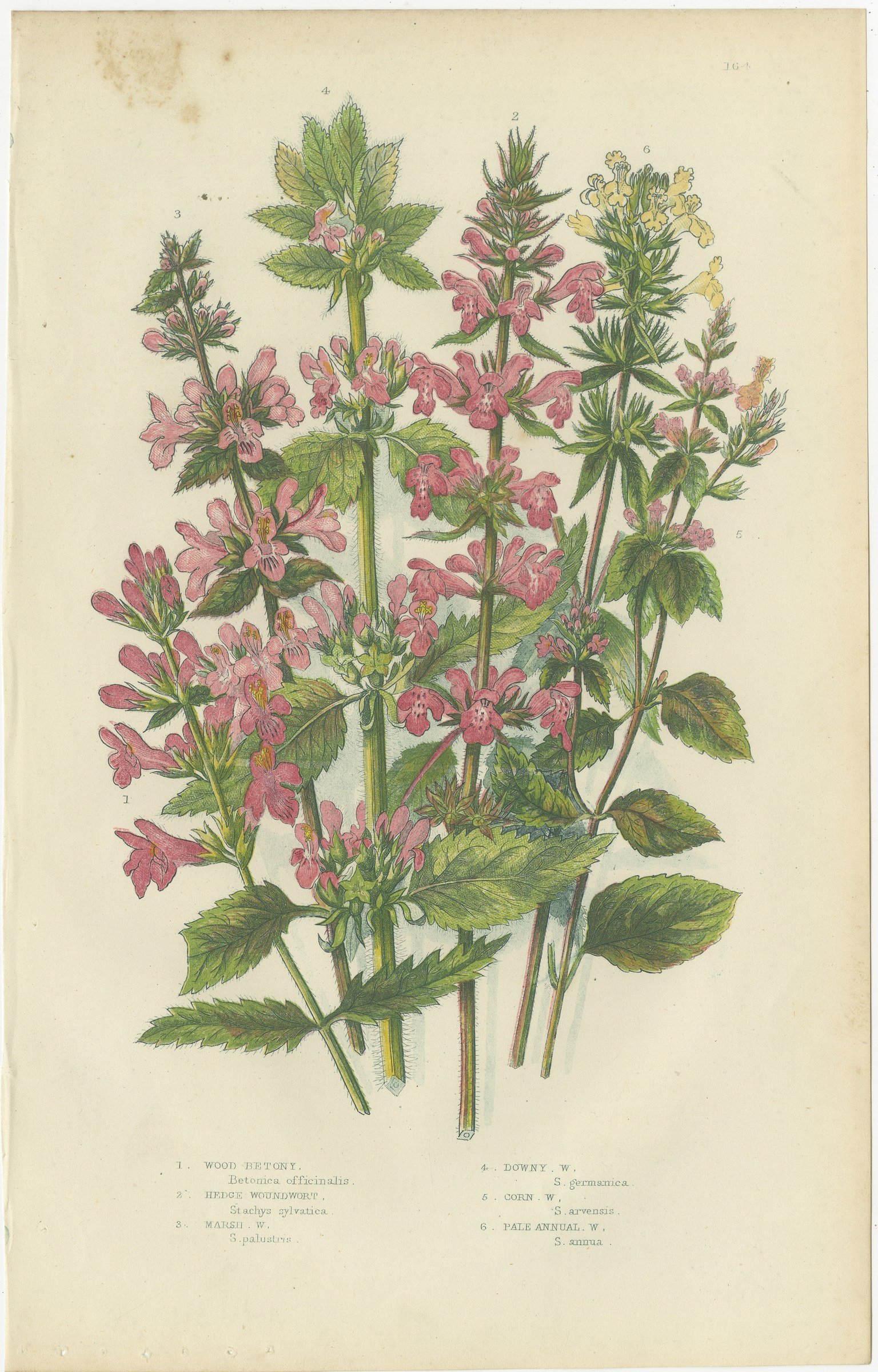
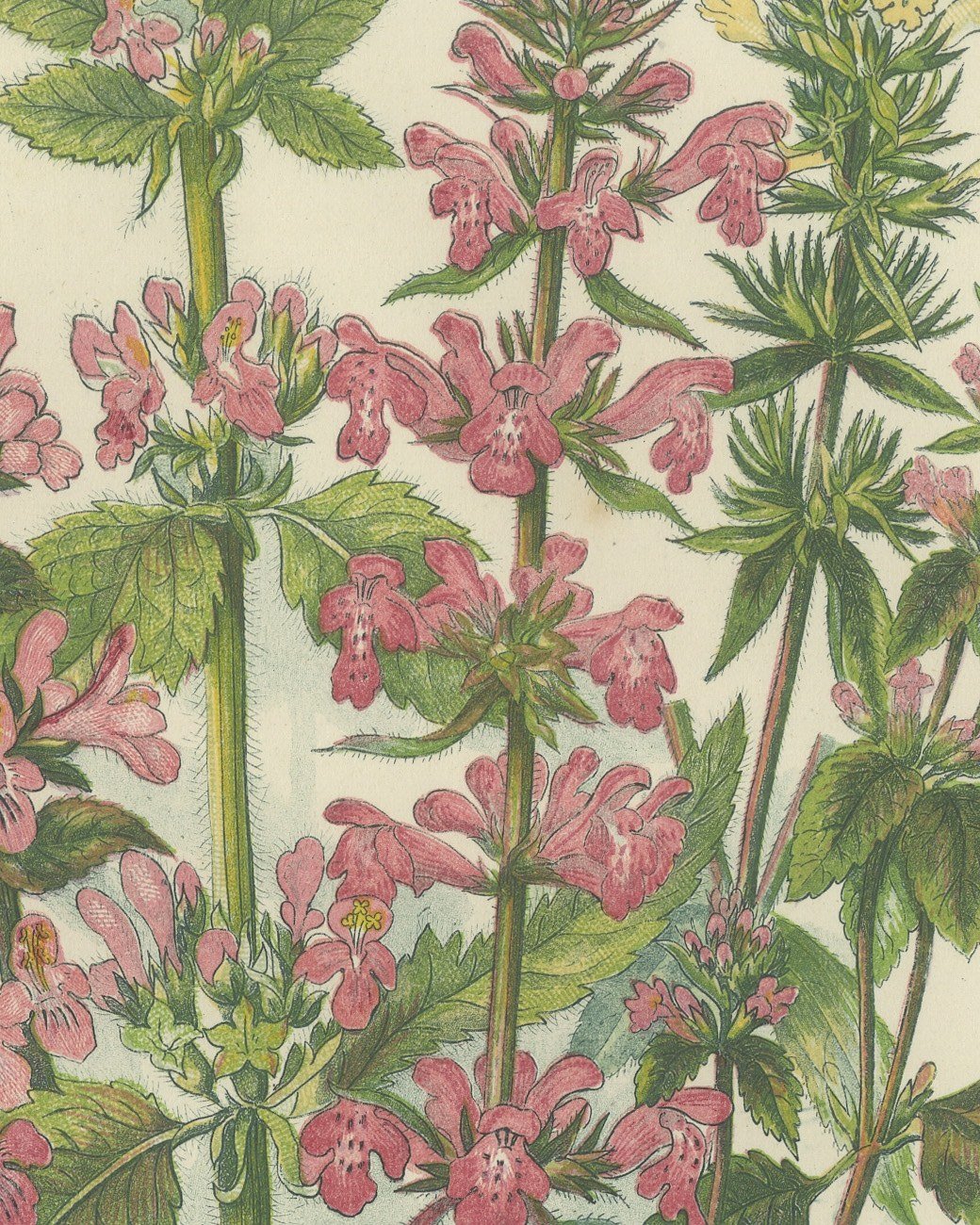
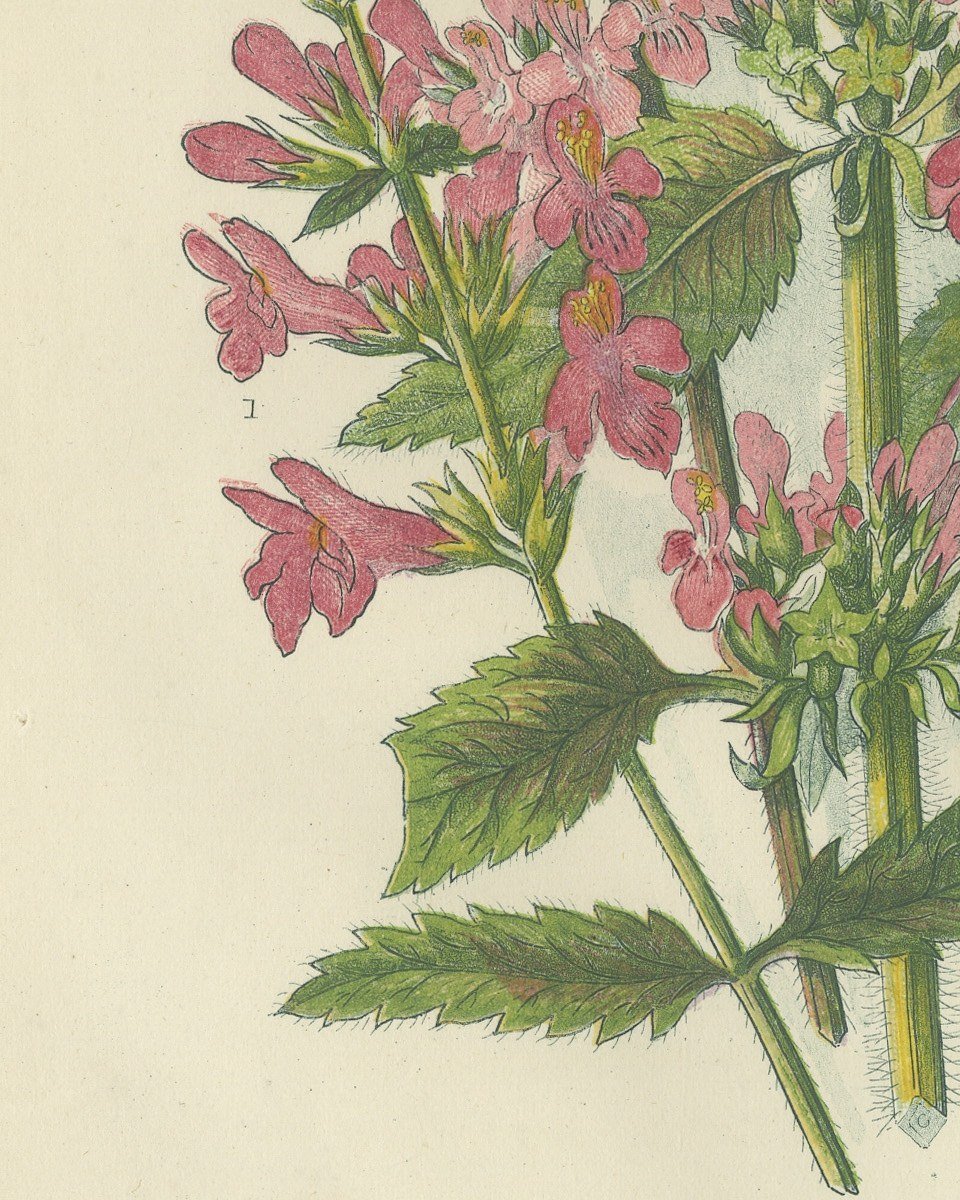
An original antique color plate, Plate 164 of Volume IV of Anne Pratt's The Flowering Plants, Grasses, Sedges, and Ferns of Great Britain, showing the wood betony with five British woundworts. Spikes of rose pink and magenta flowers stand upright across the sheet in tight whorls, the wood betony at the left and the hedge woundwort beside it in a deeper crimson. The pale yellow annual woundwort rises at the upper right, and long toothed leaves in clear green are drawn at the foot with the square stems that mark the family.
This is one of the color plates of The Flowering Plants, Grasses, Sedges, and Ferns of Great Britain, Anne Pratt's six volume account of the wild plants of the British Isles, published in London by Frederick Warne and Co. under the direction of the Society for Promoting Christian Knowledge. The plates were printed in color by the London printer William Dickes, who worked a color process licensed from George Baxter and produced the plates for Pratt's natural history books.
The work was one of the first thorough illustrated floras of Britain aimed at the ordinary reader rather than the specialist, and the price was only possible because the plates were printed in color instead of being colored by hand. That technical choice is part of what the sheet records, and it put a reliable colored figure of every British species within reach of a wide public for the first time.
Even age toning. Marked handling soiling along the bottom, right and top edges. Slight wear at the bottom right, top left and top right corners.
This is an original antique print, not a modern reproduction. This item is sold unframed.