 The sheet, as you receive it
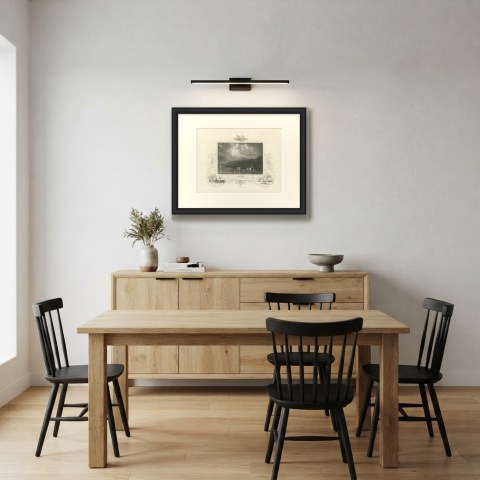
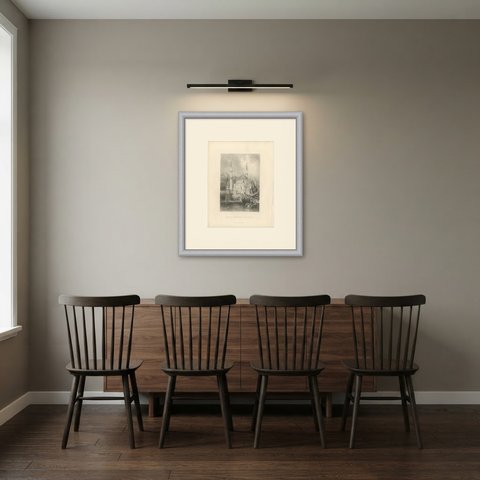
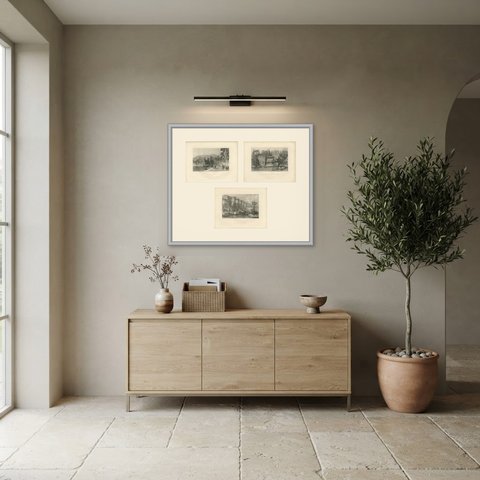
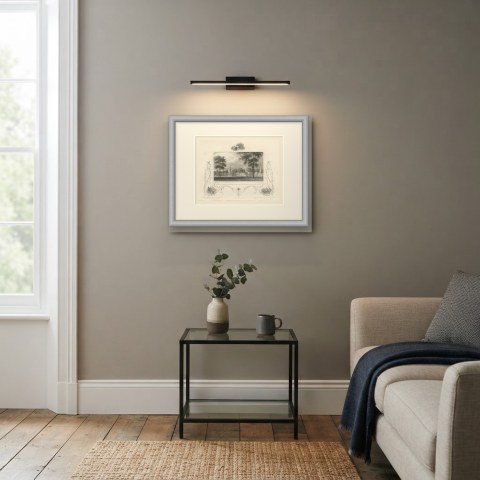
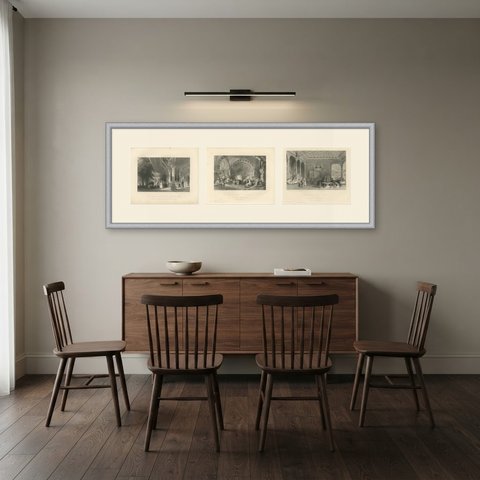
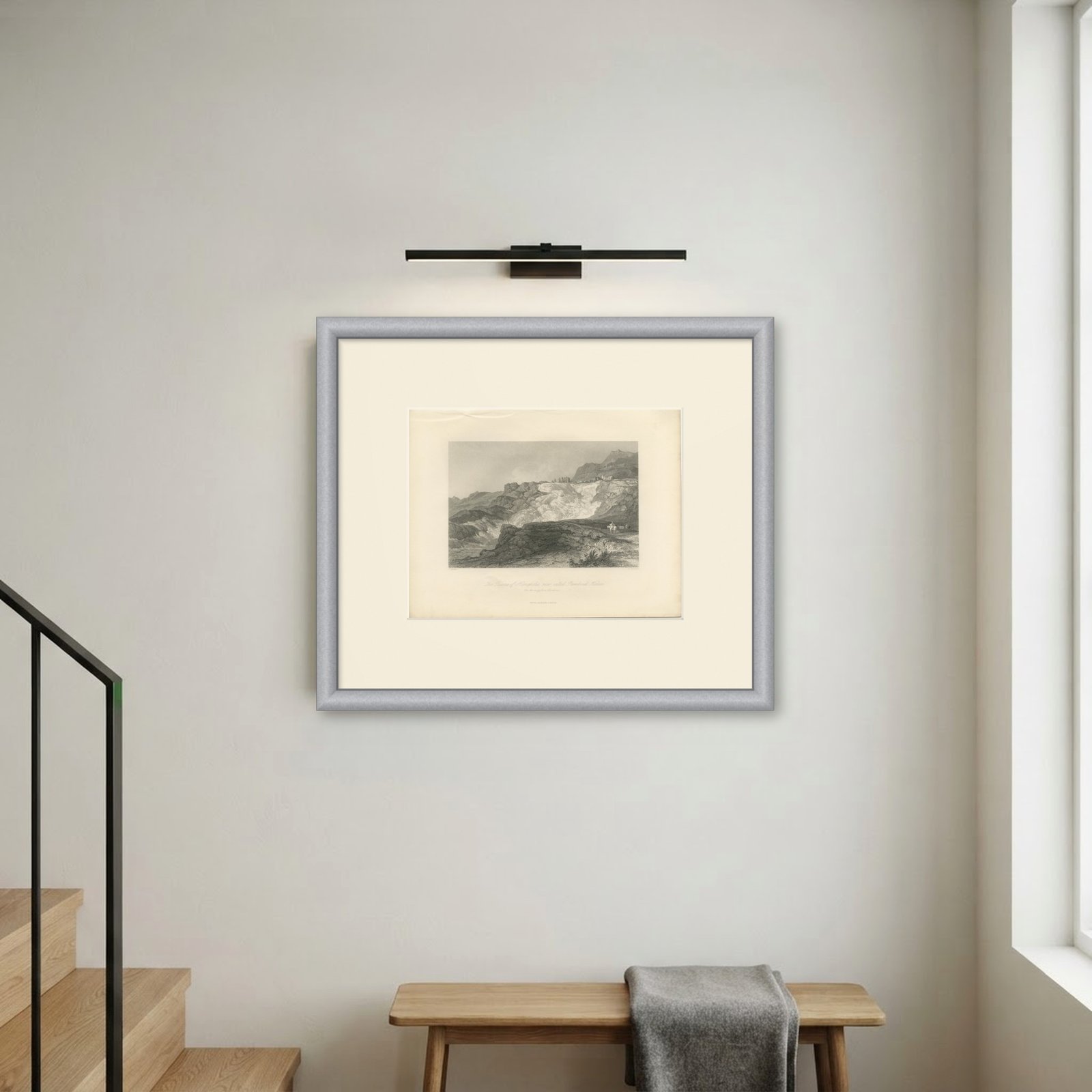
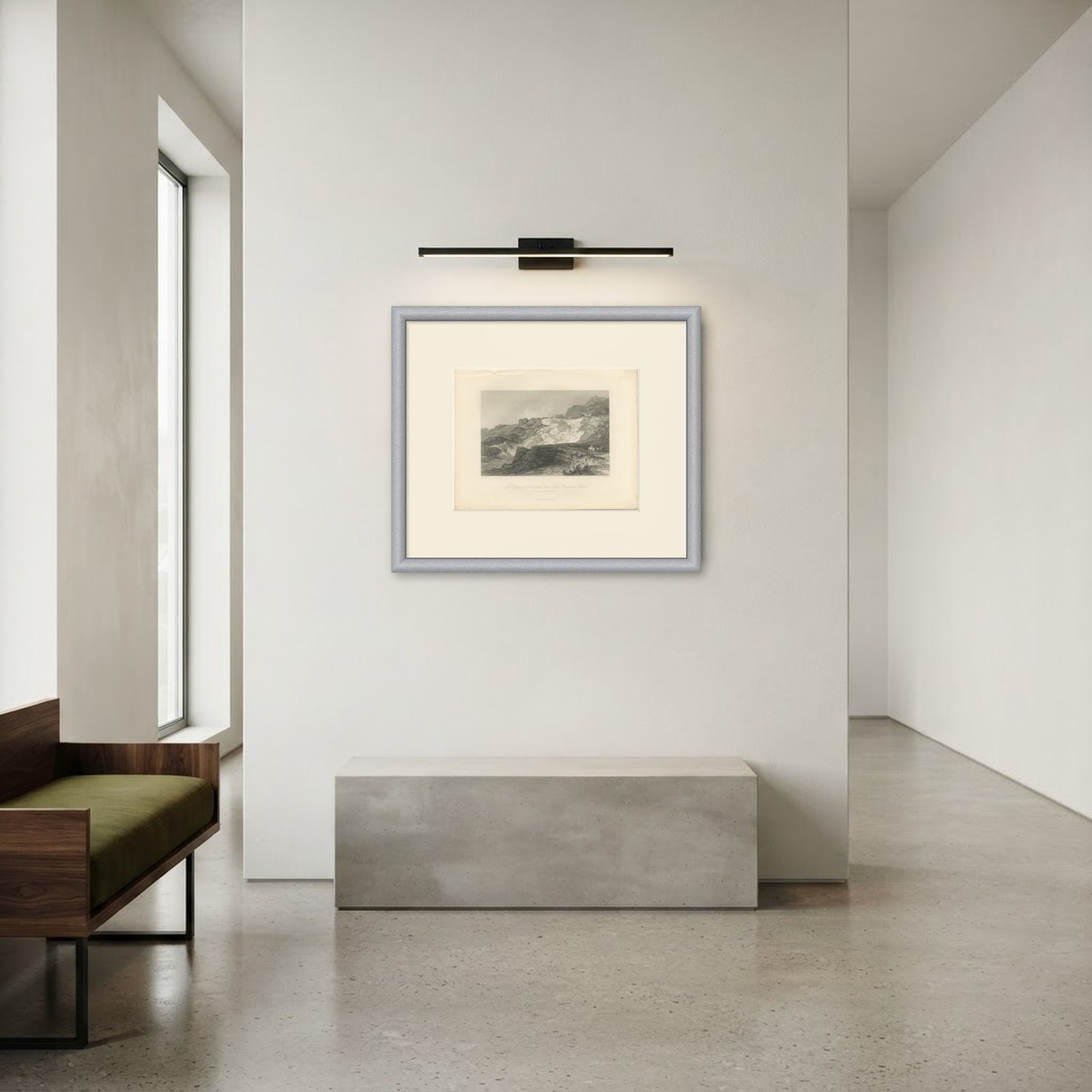 In the room
Interior designers: BarTrade members buy at their trade price. How it works
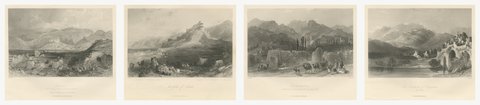
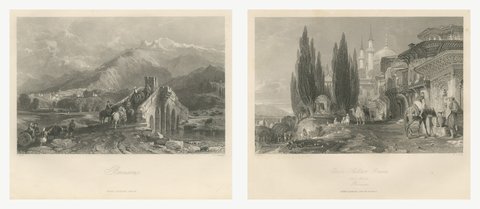
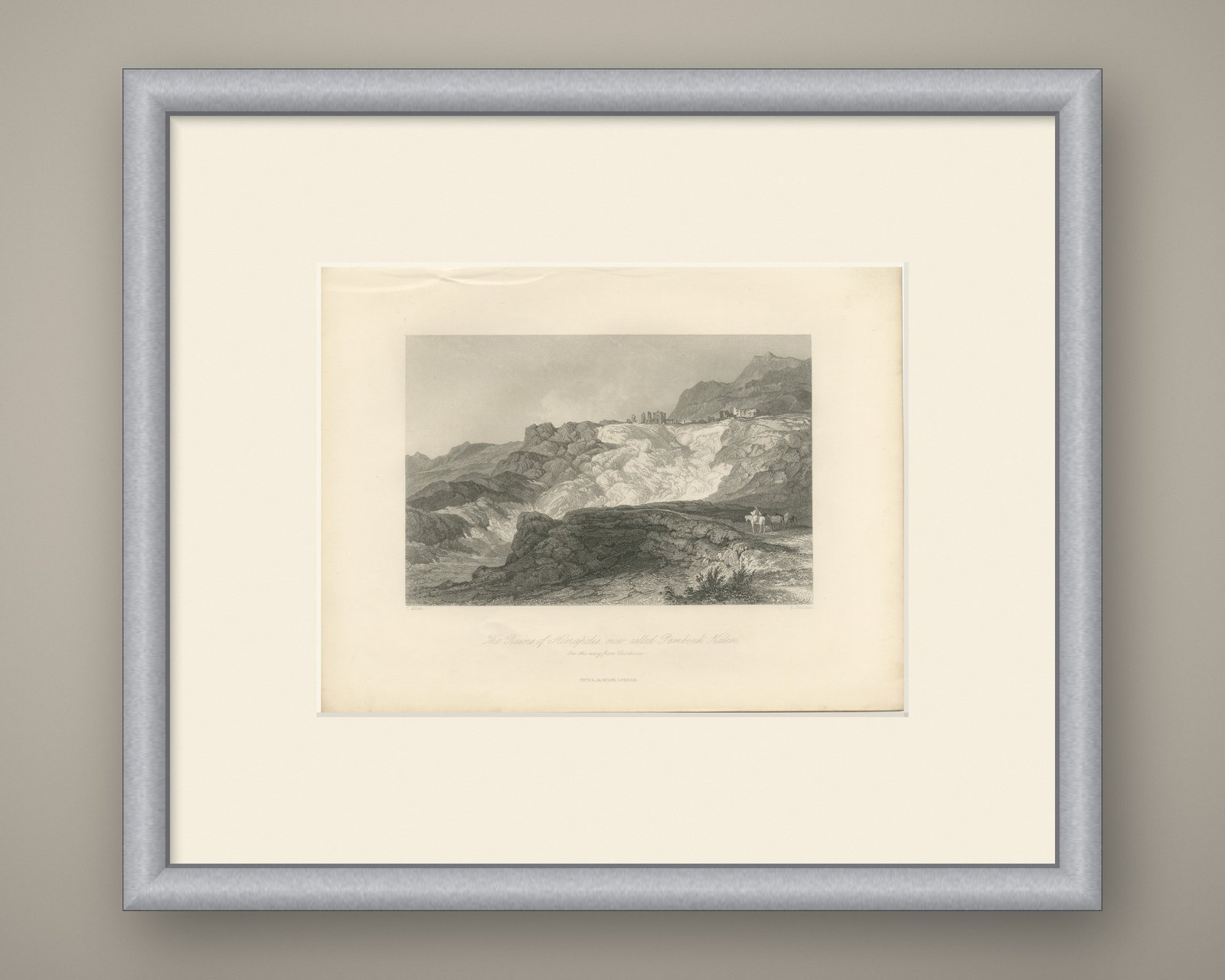
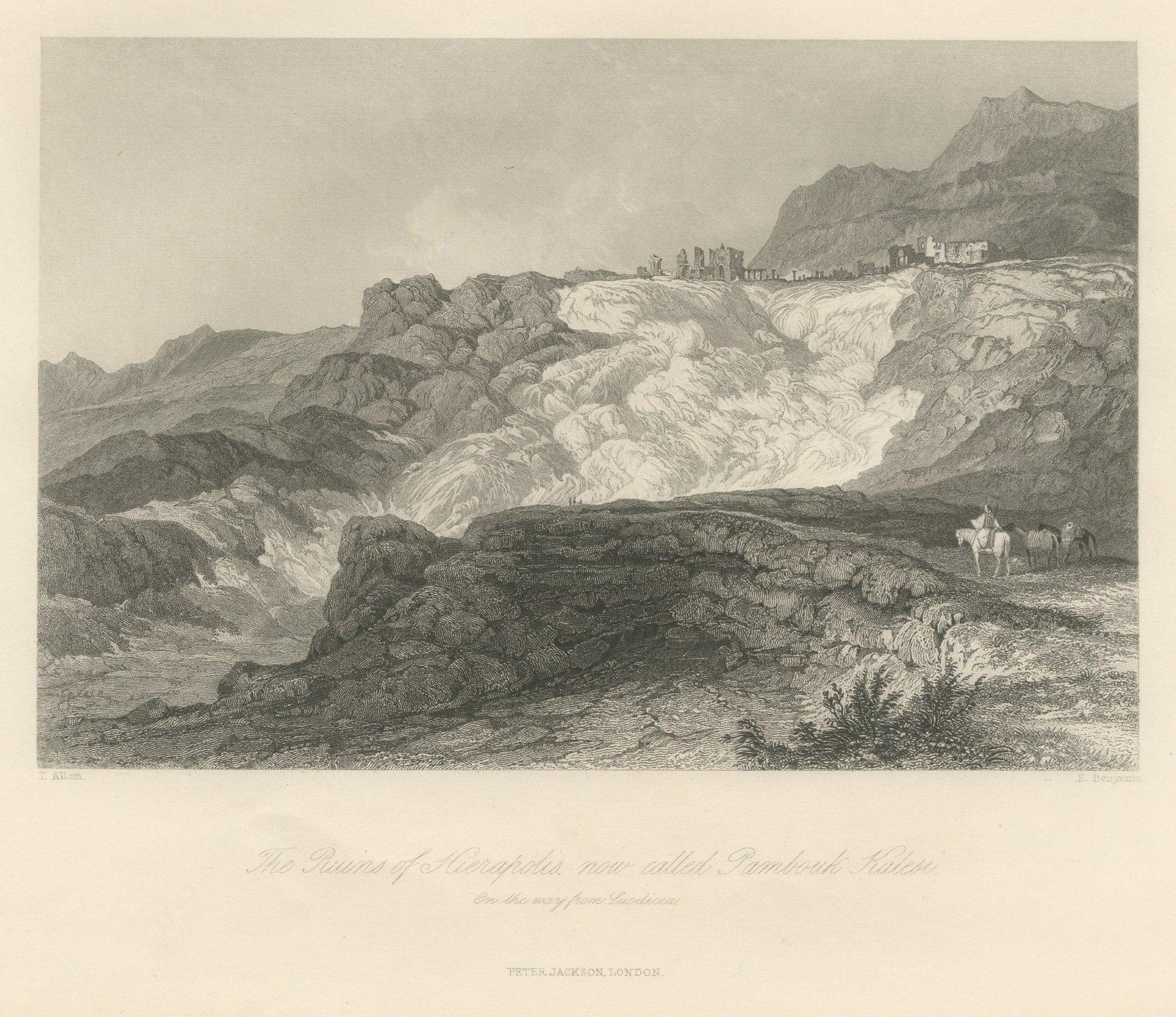
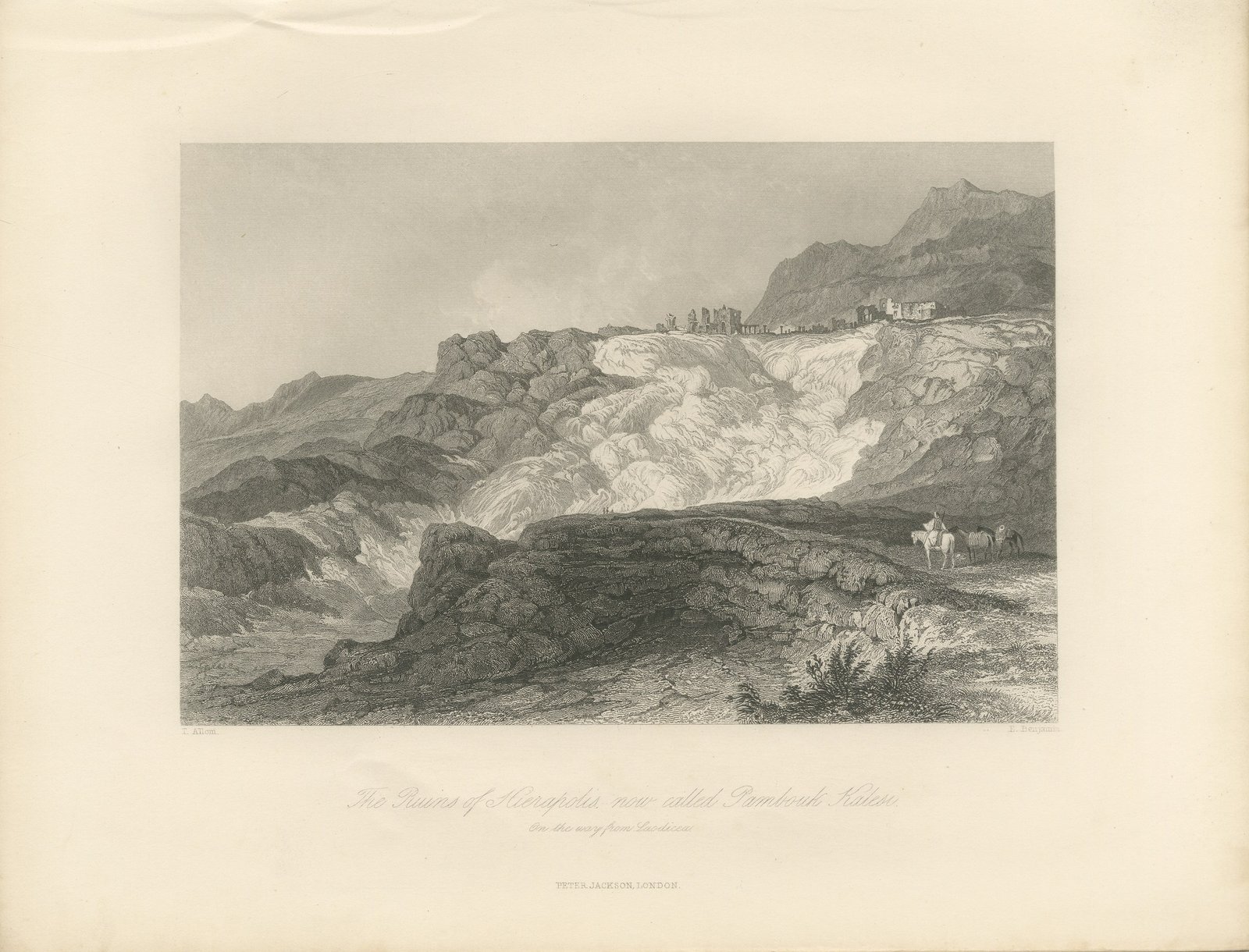
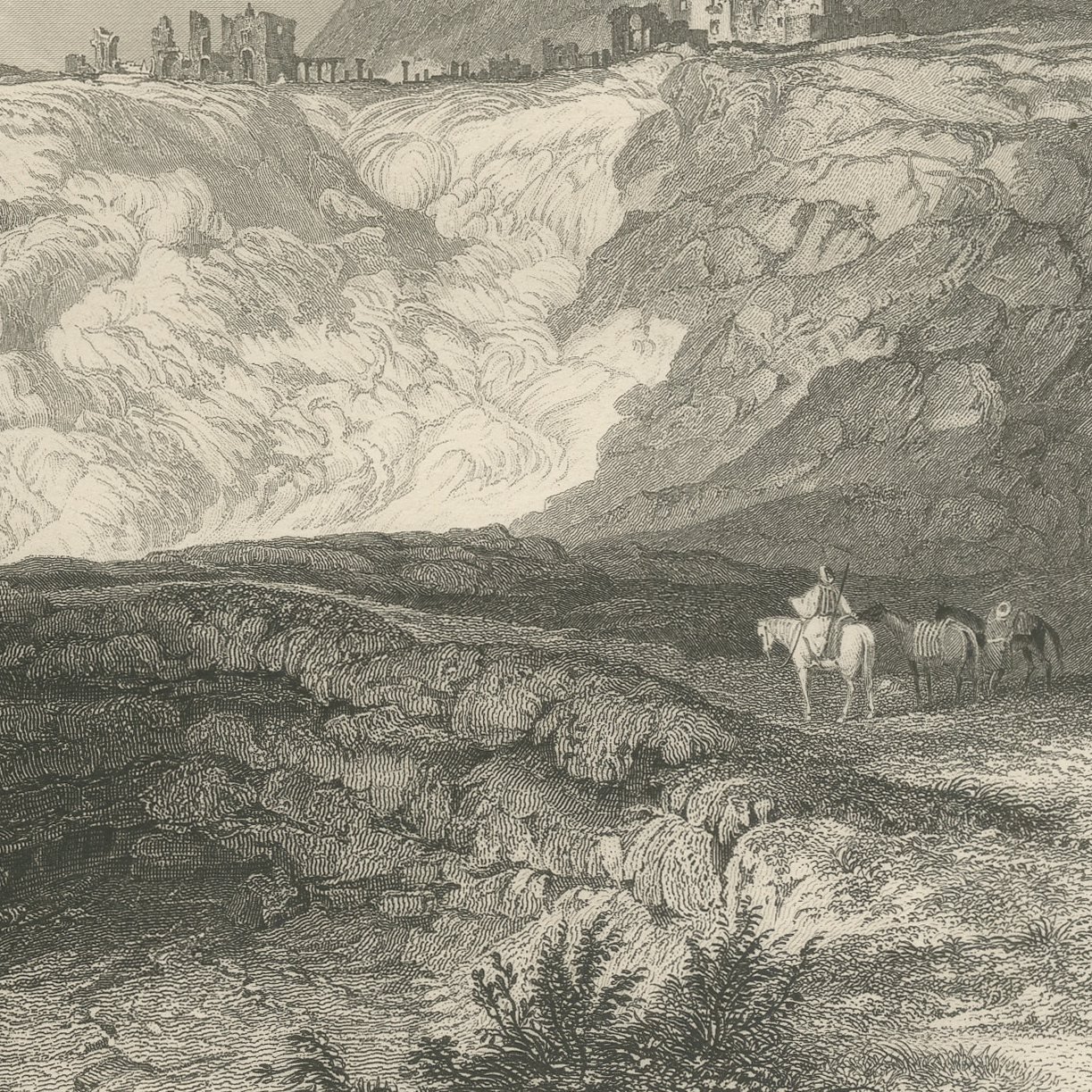
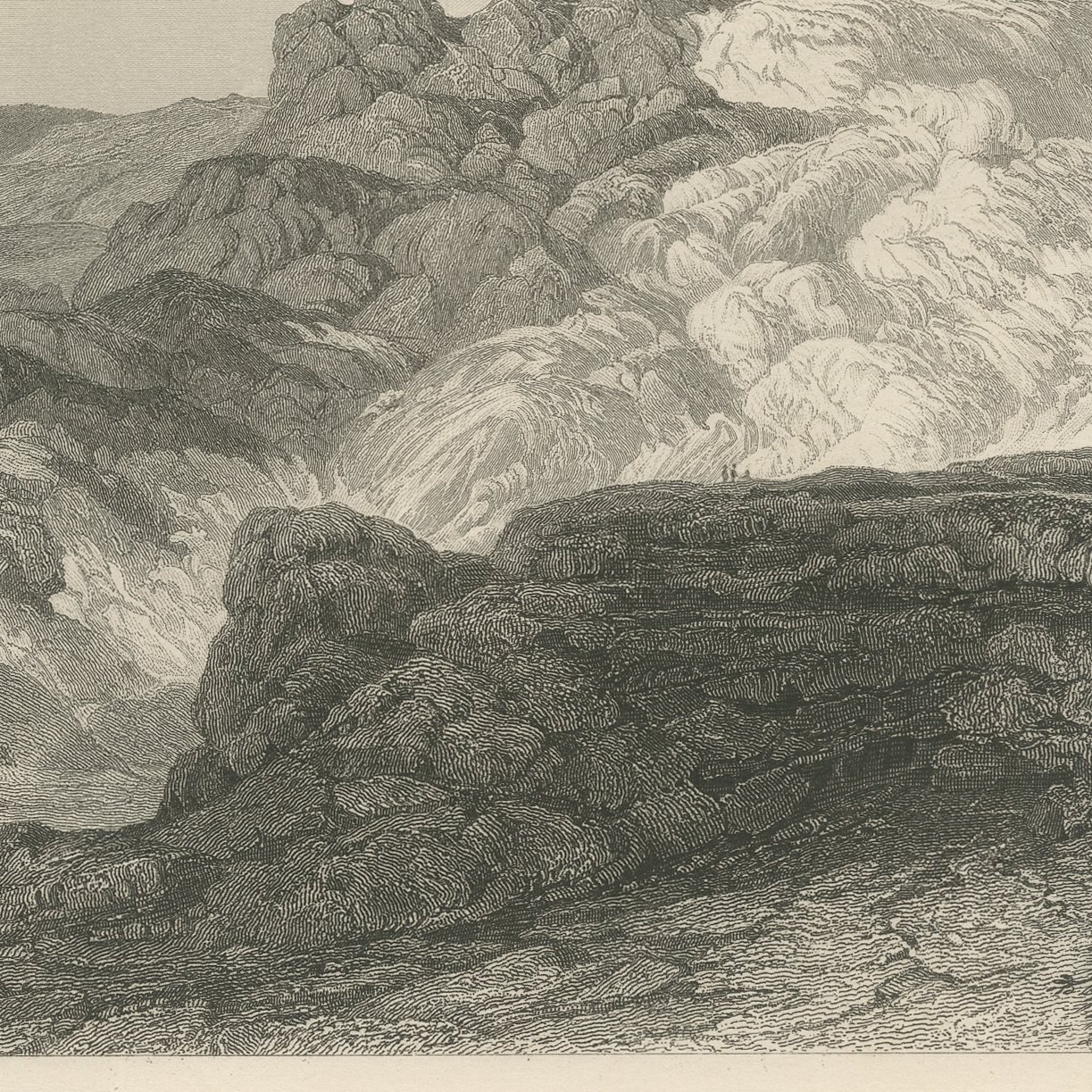
This original antique steel engraving, Ruins of Hierapolis, now Pambouk Kalessi, is a plate from the second volume of The Turkish Empire Illustrated, published in London by Peter Jackson about 1850. The sheet shows the white terraces of Pamukkale falling away below the ruins of Hierapolis, the petrified cascades catching the light, fallen columns and sarcophagi scattered over the plateau and travelers with horses picking their way among them.
This sheet was published in London about 1850 by Peter Jackson, late Fisher, Son and Company, in volume two of The Turkish Empire Illustrated. Thomas Allom traveled through Constantinople and Asia Minor making the original drawings, and Robert Walsh, who had served as embassy chaplain at the Porte, wrote the letterpress that accompanies them. The volume's own printed list of plates names this subject in the order the sheets were bound.
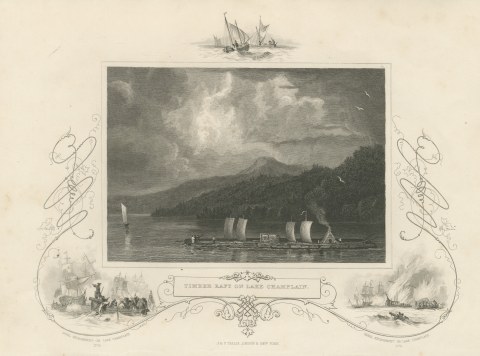
Pambouk Kalessi, the cotton castle, is the travertine terrace of Pamukkale, now one of the best known natural sites in Turkey and a World Heritage site. Allom drew it when few European travelers had seen it. Each plate in the series carries the draftsman at the lower left and the engraver at the lower right, printed inside the plate mark, with the English title in script below and a French translation beneath it on most sheets, which is how the publisher sold the work on both sides of the Channel. The tonal gradation is the work of the burin alone, with no aquatint or added wash. Framed in gilt or in plain polished wood it suits a study, a library or a dining room, and it sits easily beside maps, marine prints and other nineteenth century travel material.
Even age toning. Handling soiling along the bottom, left and right edges. Scattered light foxing in the margin. All four corners complete.
This is an original antique print, not a modern reproduction. This item is sold unframed.