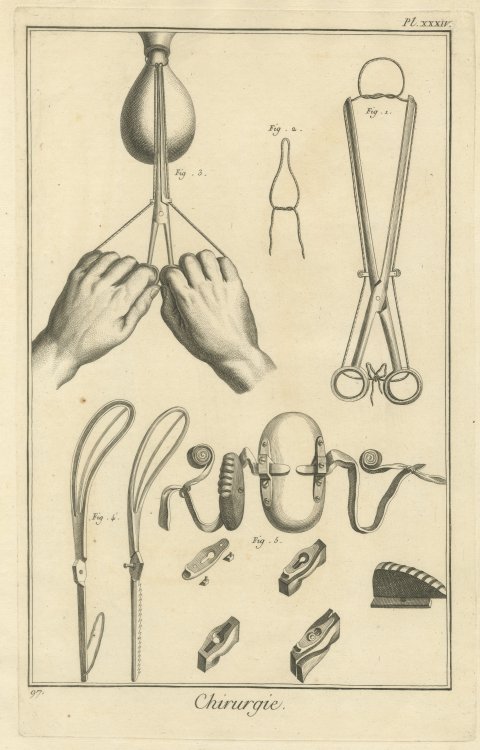
 The sheet, as you receive it
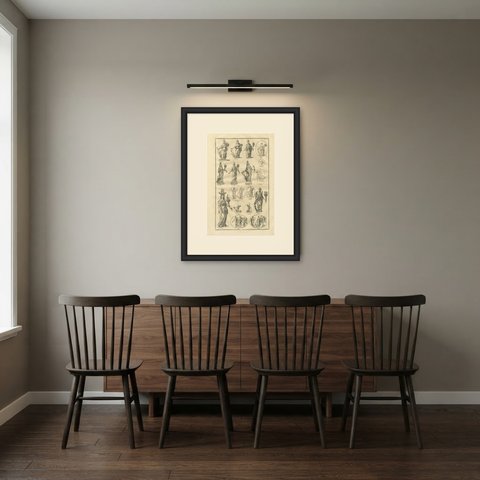
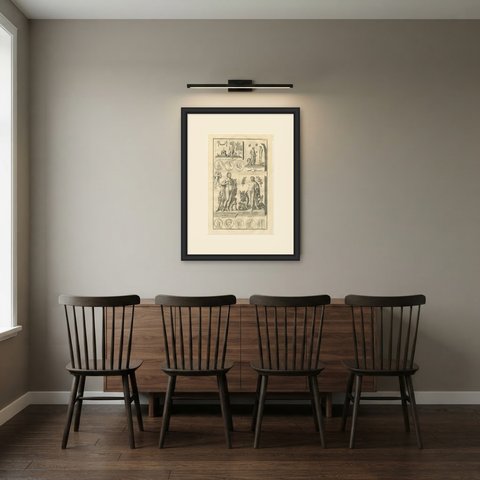
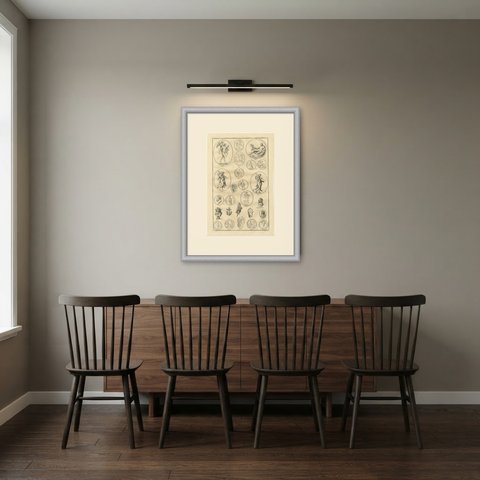
 In the room
Interior designers: BarTrade members buy at their trade price. How it works
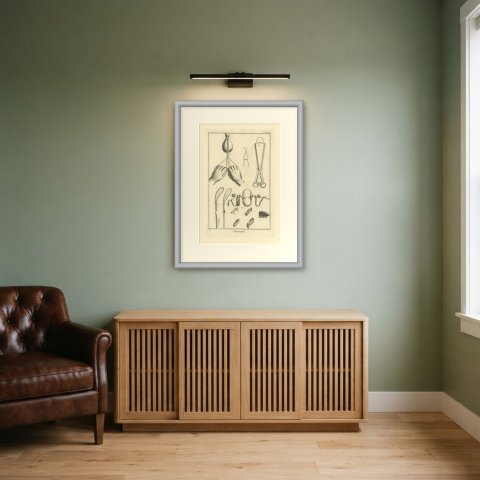
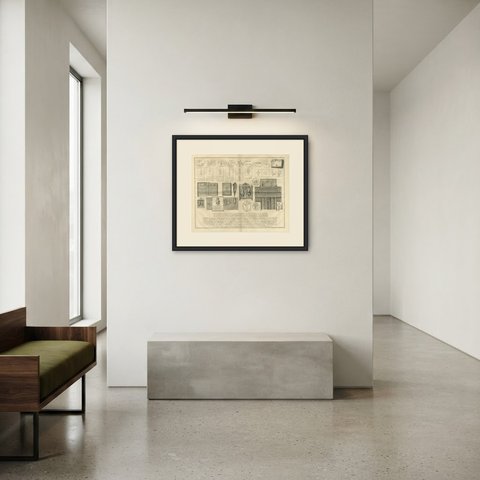
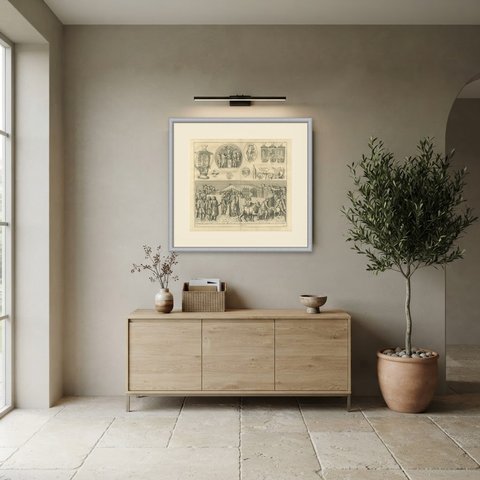
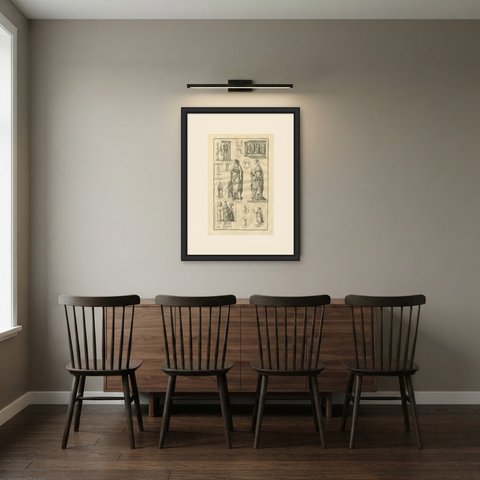
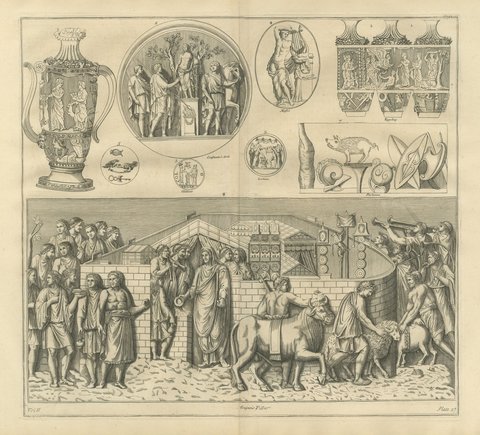
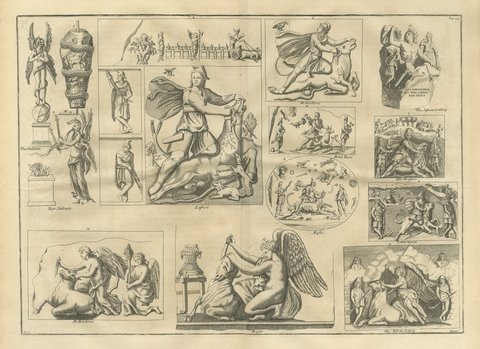
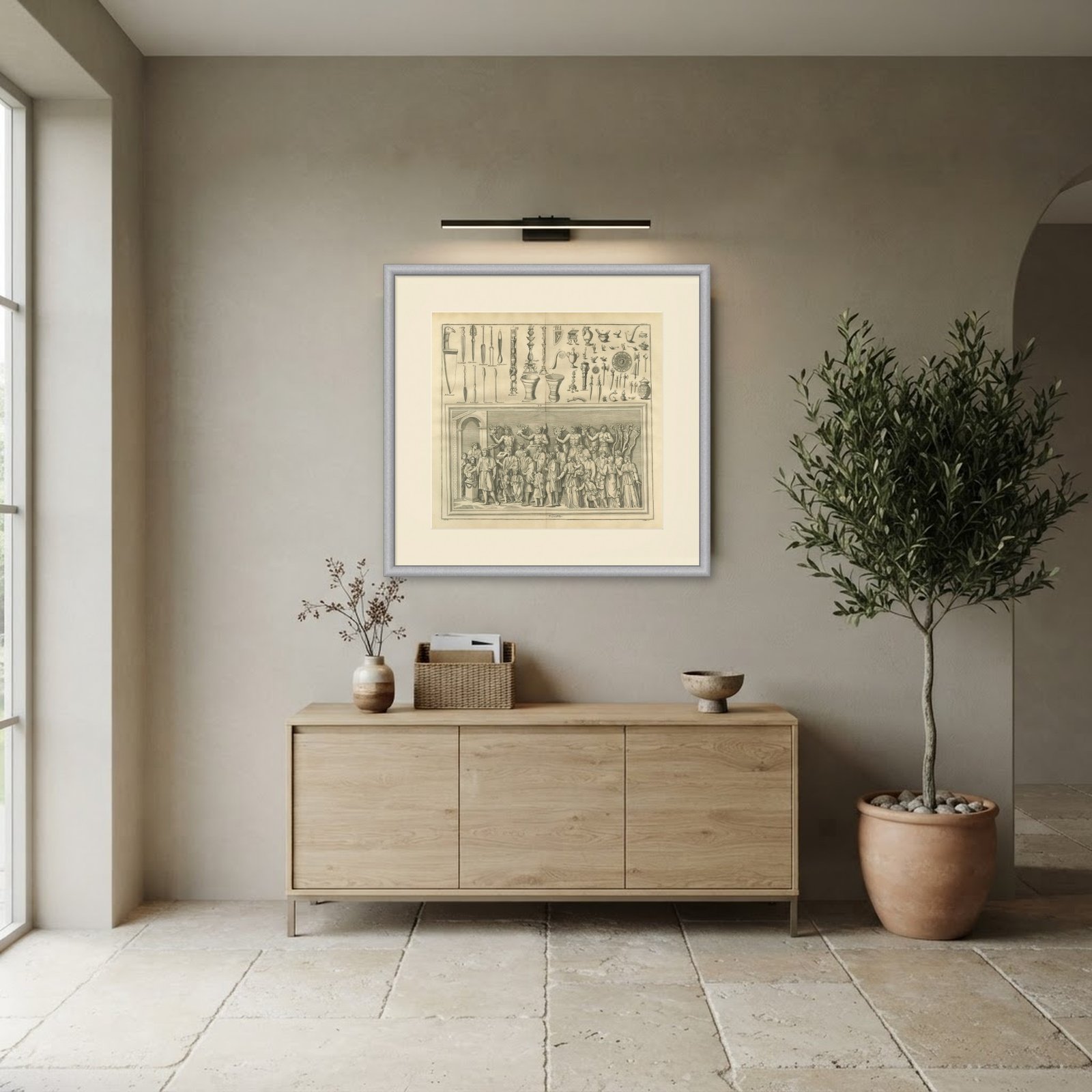
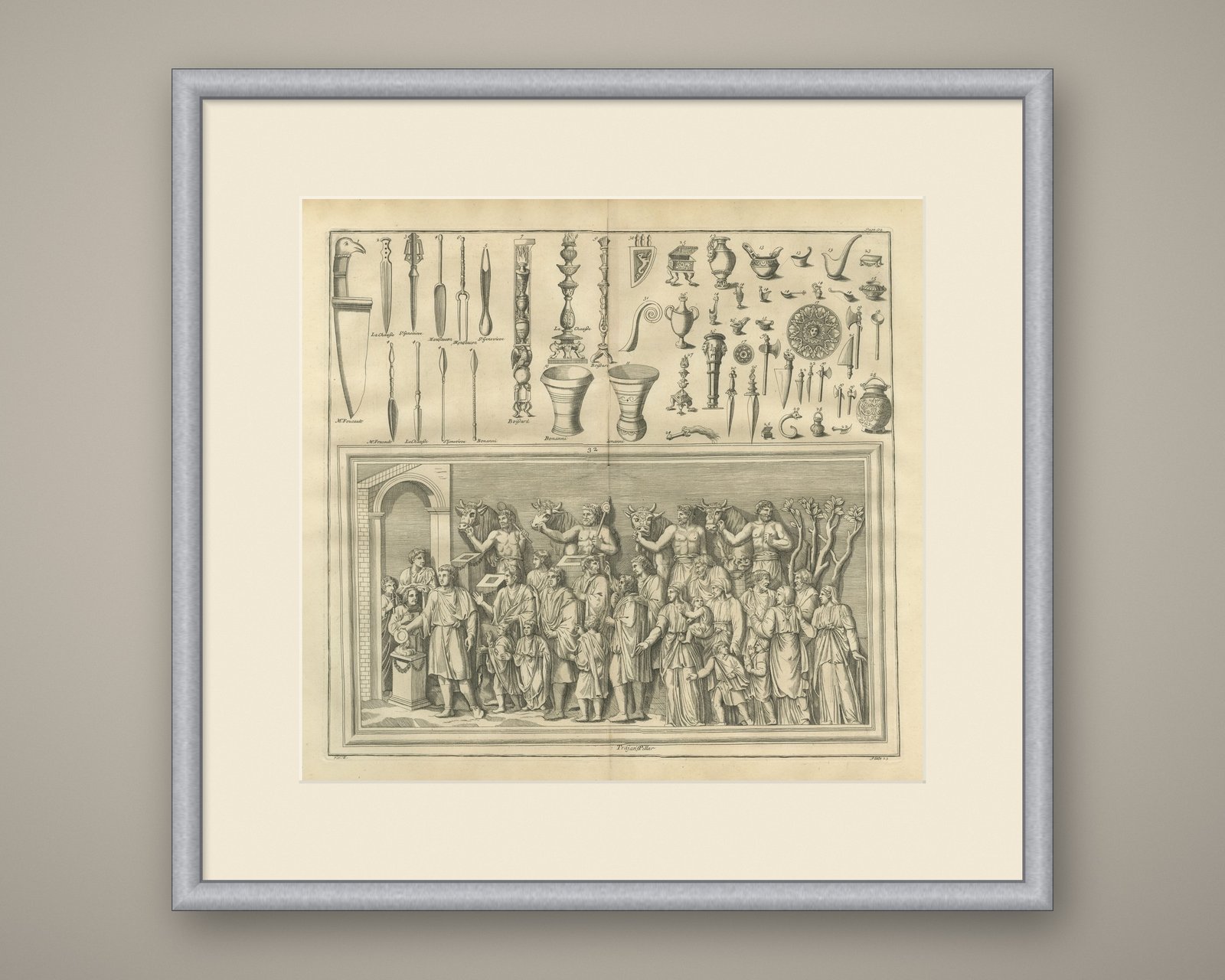
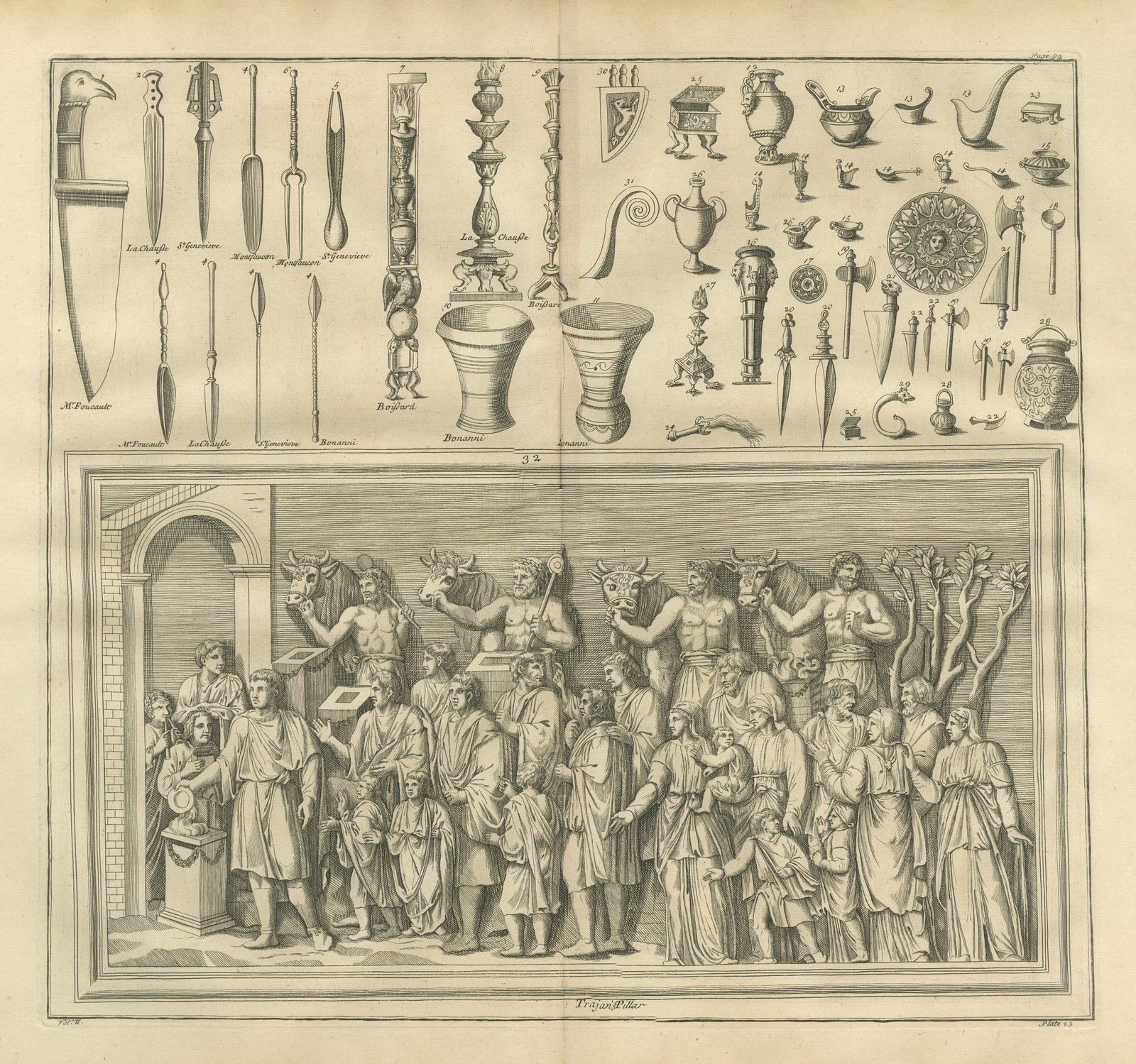
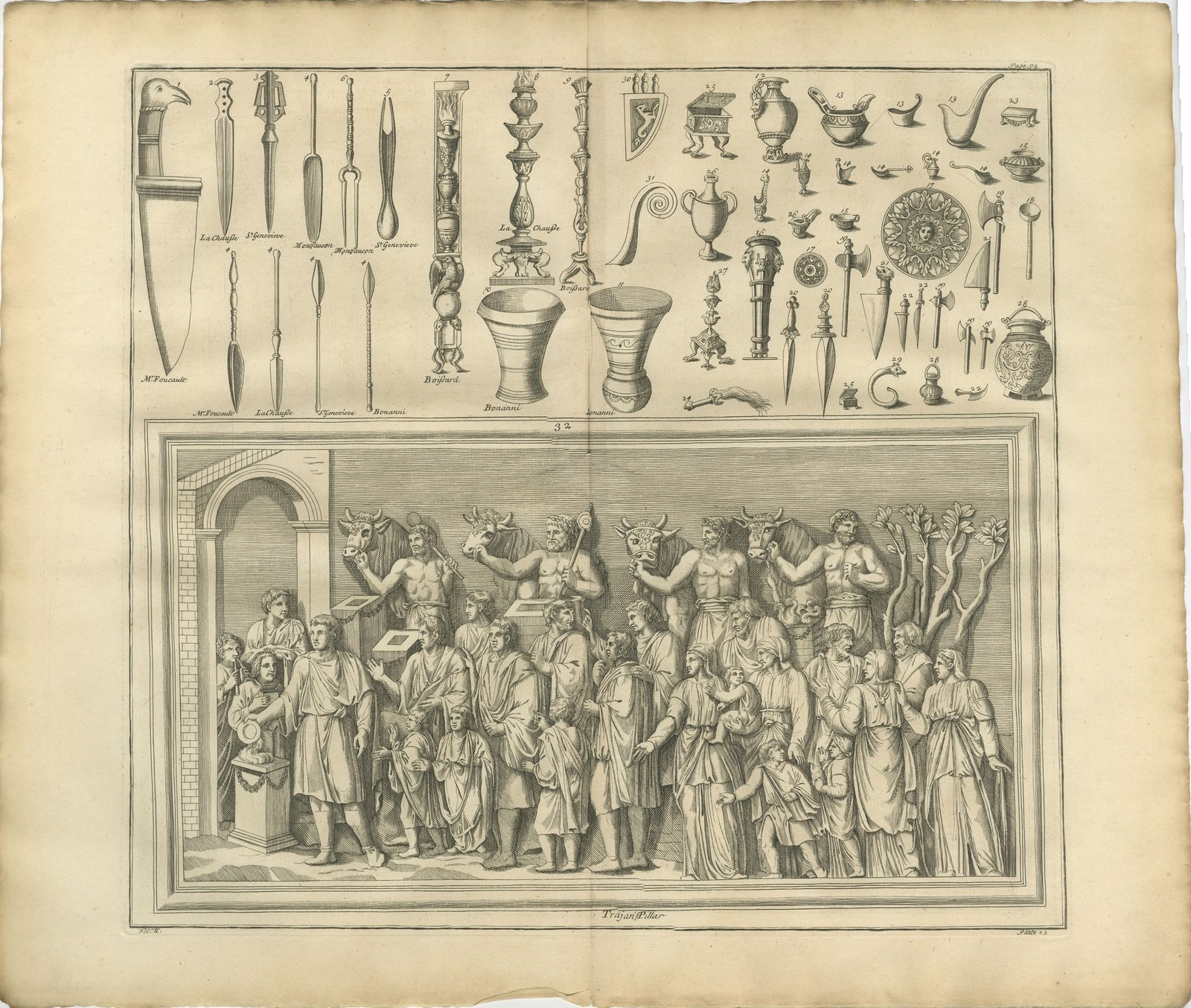
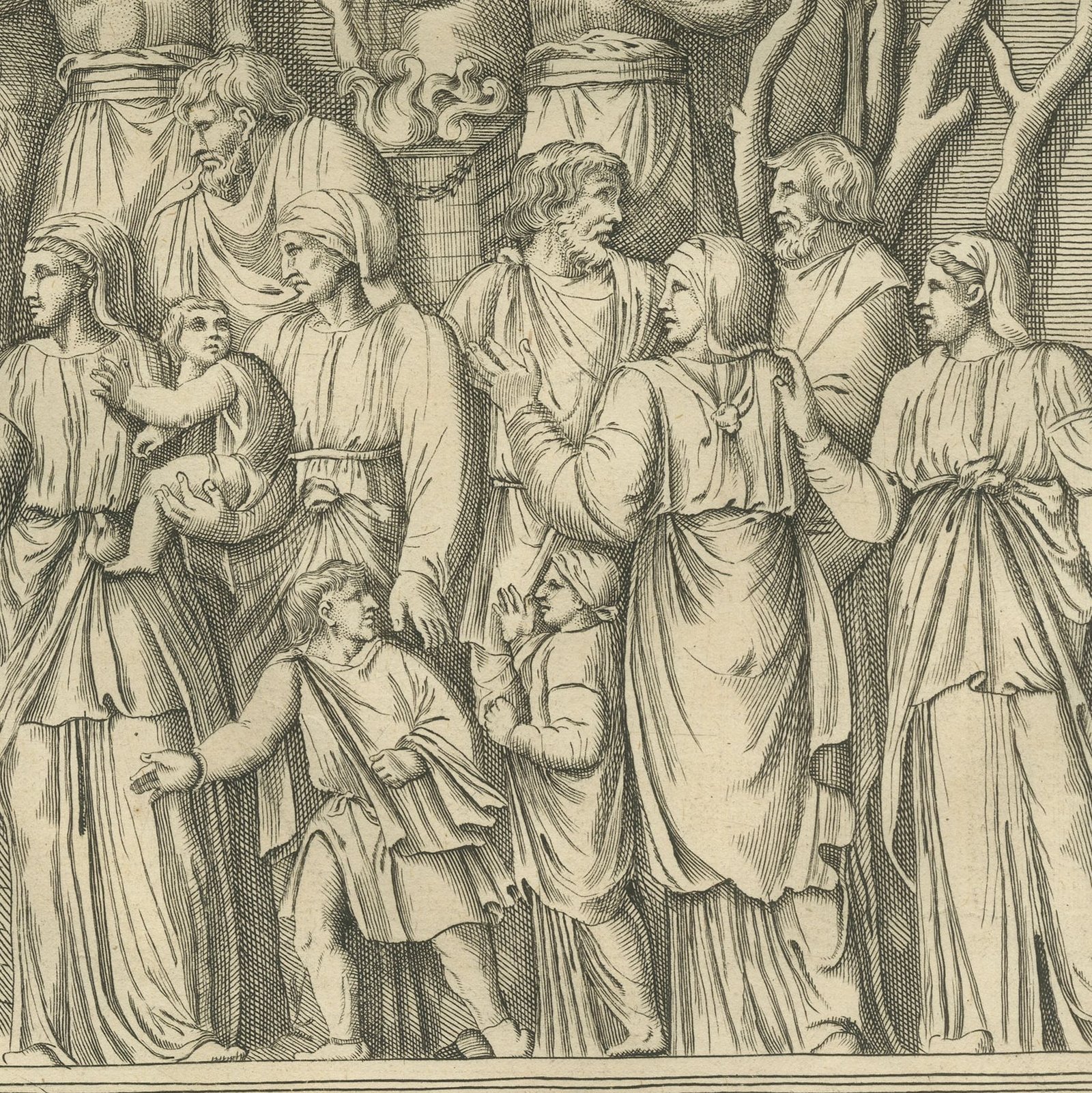
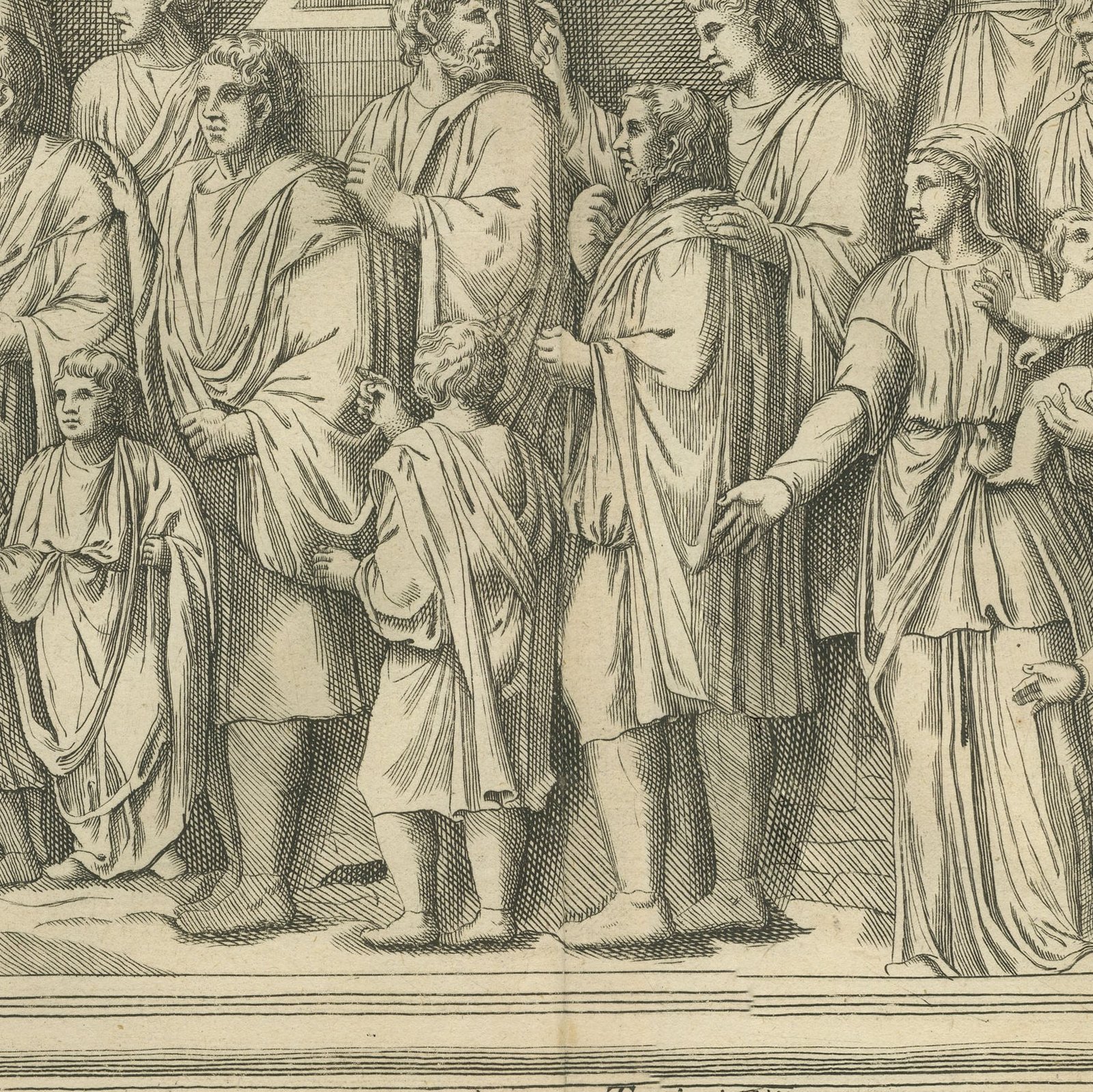
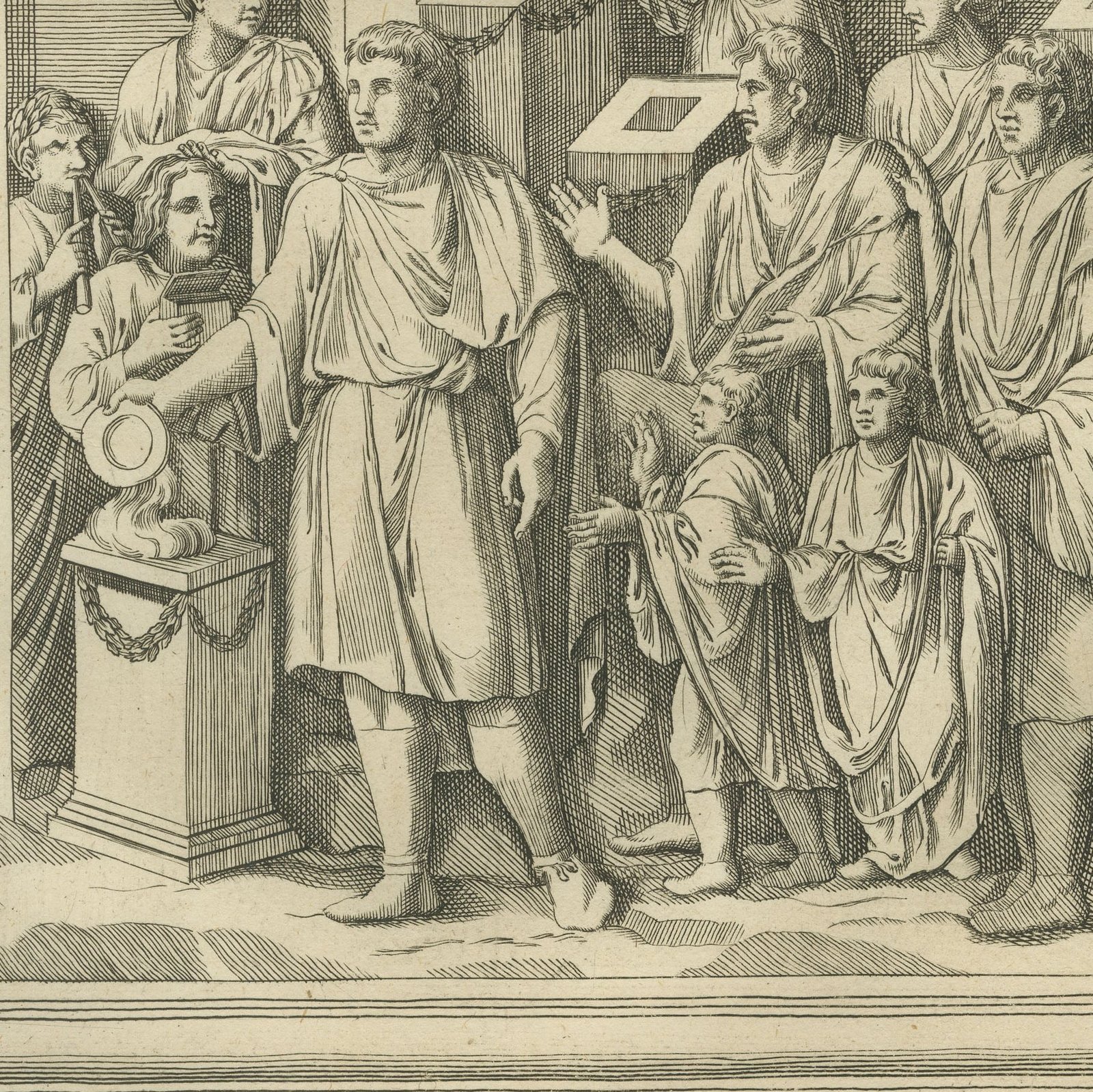
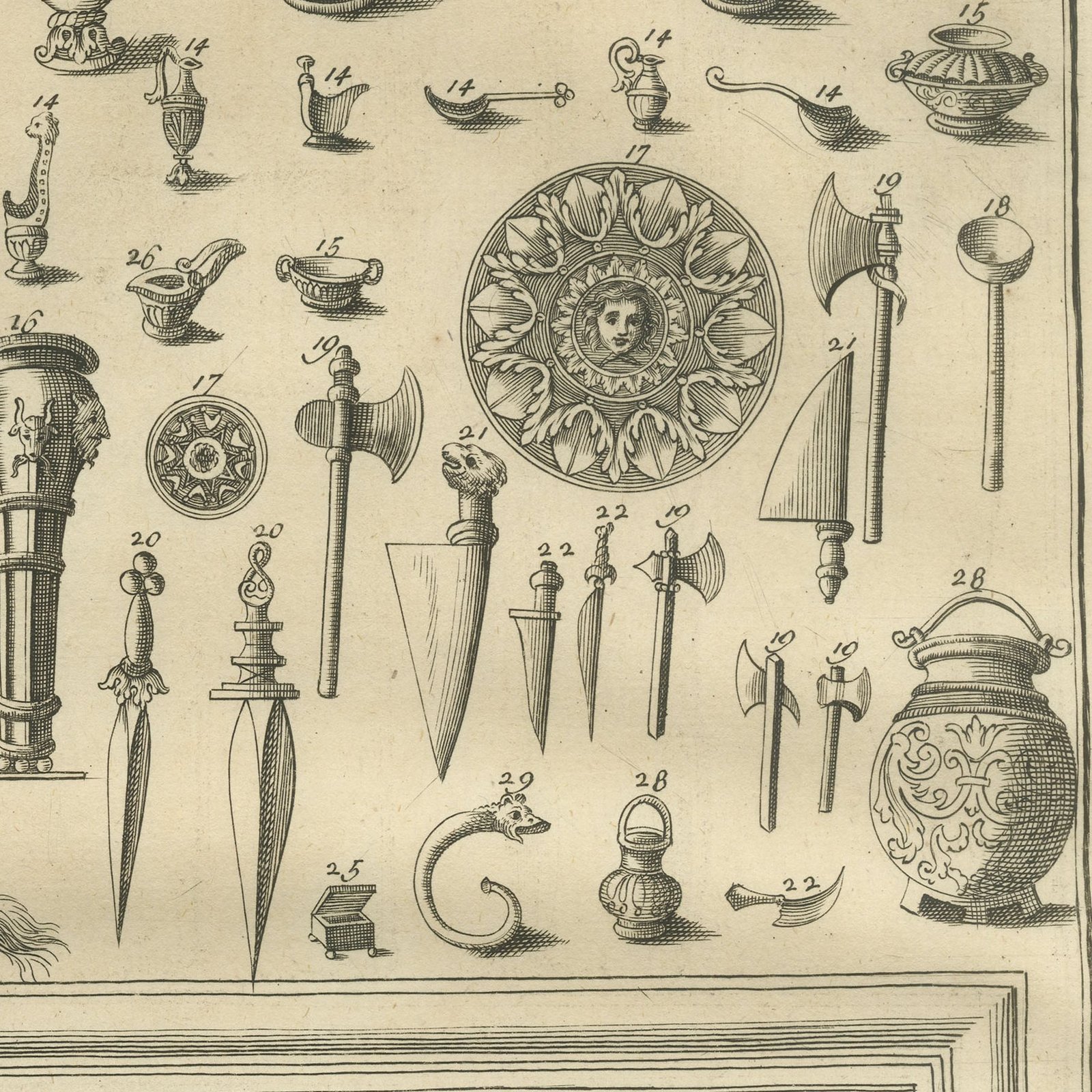
This original antique print of 1721 opens the second volume's treatment of sacrifice with a wide double page sheet of the tools themselves. Laid out in rows are the sacrificial knife with its figured sheath, the axe and the hammer used on the larger victims, long handled ladles, shallow dishes for the libation, jugs, incense boxes with hinged lids, the brush for sprinkling, tongs, and tall branching candelabra on clawed feet. Each piece is numbered to Montfaucon's commentary and credited beneath to the monument or the cabinet it was drawn from. Across the upper part of the plate runs a long relief from Trajan's Column in which a procession of attendants leads the animals toward a garlanded altar while musicians walk alongside. The lower corners of the sheet are lettered Vol. II and Plate 23, with the page of the facing text at the upper right.
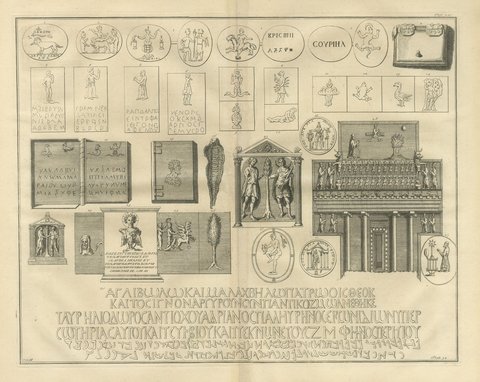
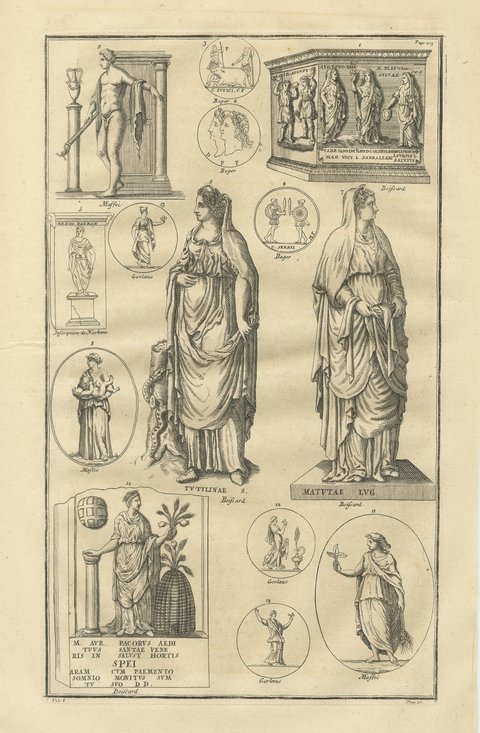
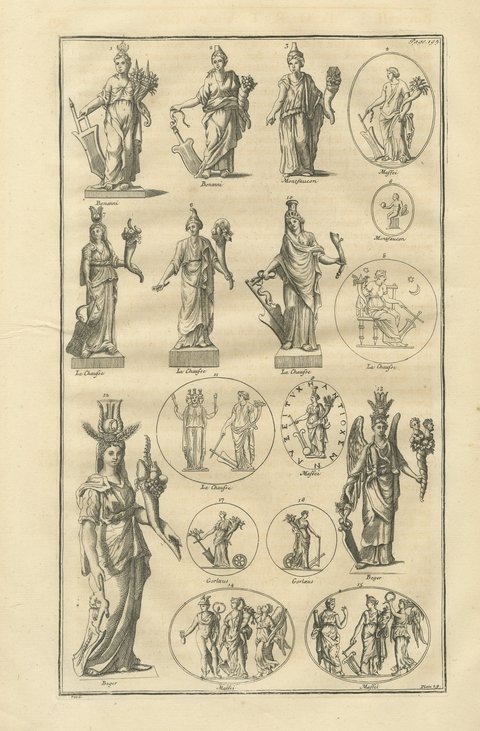
The plate comes from Volume the Second of Antiquity Explained, and Represented in Sculptures, the English translation of L'Antiquité expliquée et représentée en figures, published in Paris in 1719 by Bernard de Montfaucon (1655 to 1741), a French Benedictine monk of the Congregation of Saint Maur. The translation is by David Humphreys, fellow of Trinity College, Cambridge, and was printed in London by J. Tonson and J. Watts in five folio volumes, the first two dated 1721 and the other three 1722. The second volume deals with the worship of the Greeks and Romans and with the religions of other peoples, among them the Egyptians, Syrians, Persians, Germans and Gauls. Montfaucon arranged the surviving images of ancient monuments by subject, so that each plate gathers figures copied from statues, reliefs, altars, gems, coins and other objects, numbered to his commentary. The plates carry no engraver's name and no printed title.
The sheet is lettered with its volume and plate number, Vol. II and Plate 23, and with the page of Montfaucon's text that it faces.
Strong age toning, the paper a warm buff, with the paper darker along the top and right edges, foxing through the margins, one or two spots larger than the rest and a vertical fold down the middle where the sheet was folded into the book.
This is an original antique print, not a modern reproduction. This item is sold unframed.