 The sheet, as you receive it
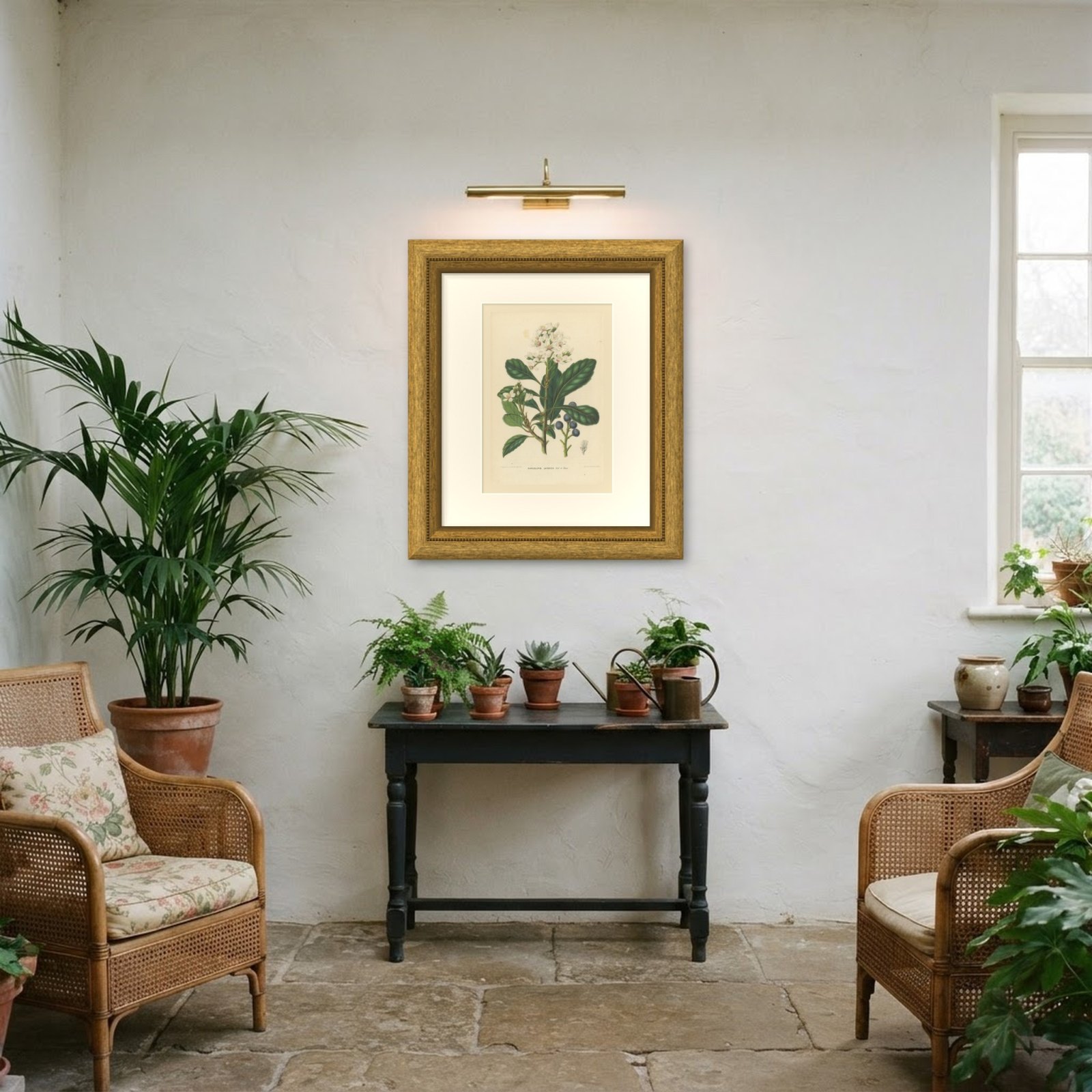 In the room
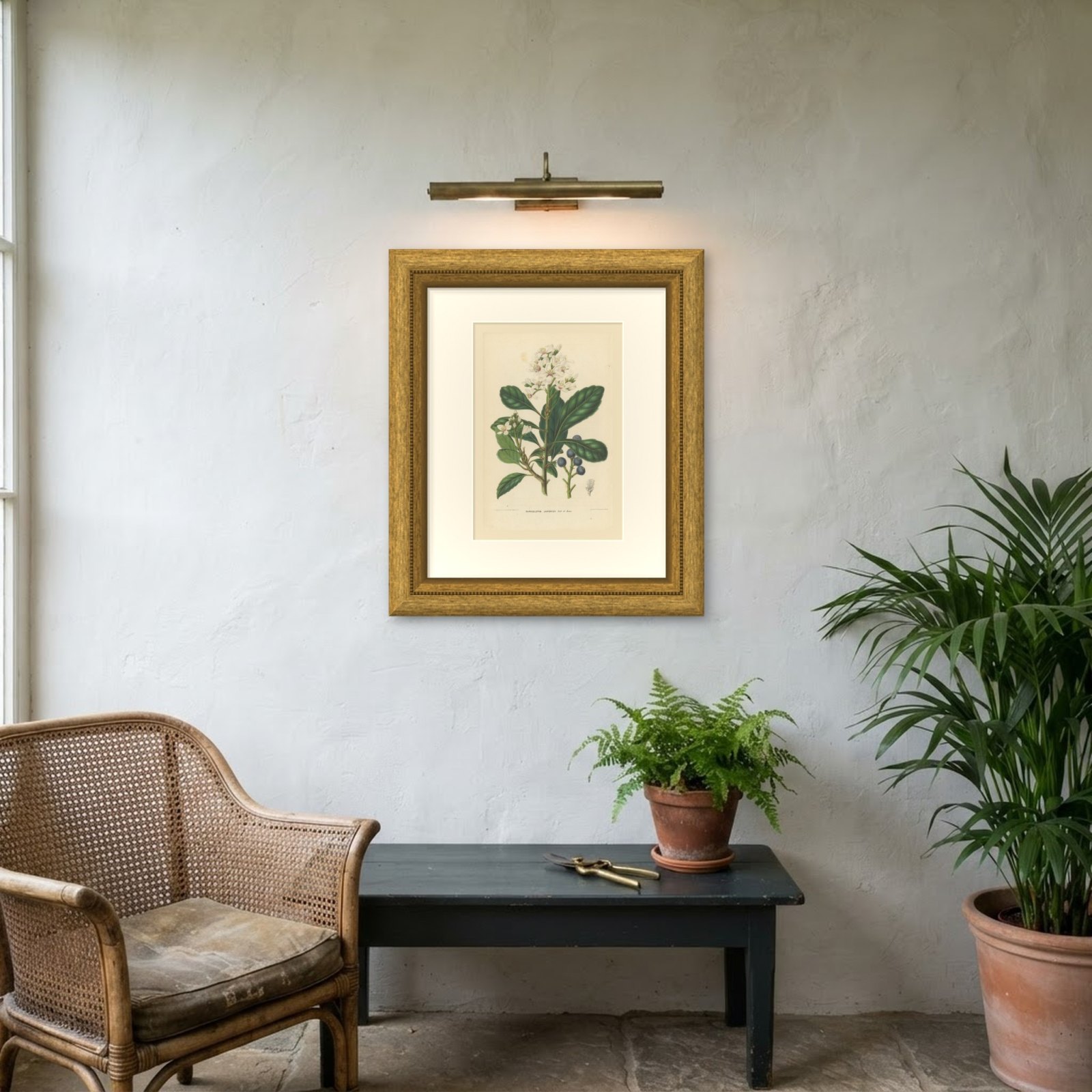
Interior designers: BarTrade members buy at their trade price. How it works
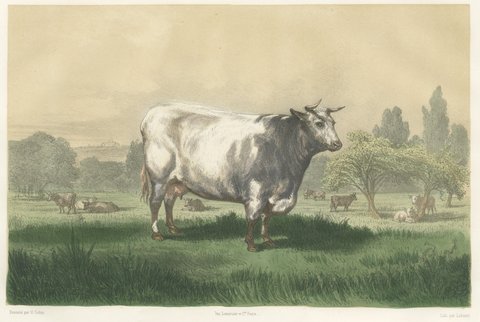
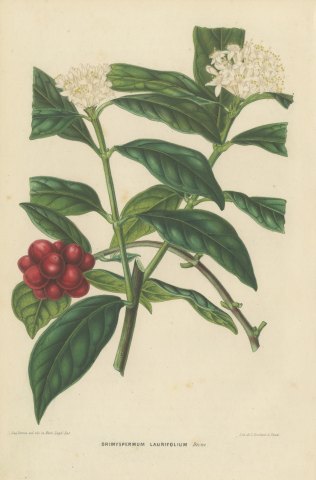
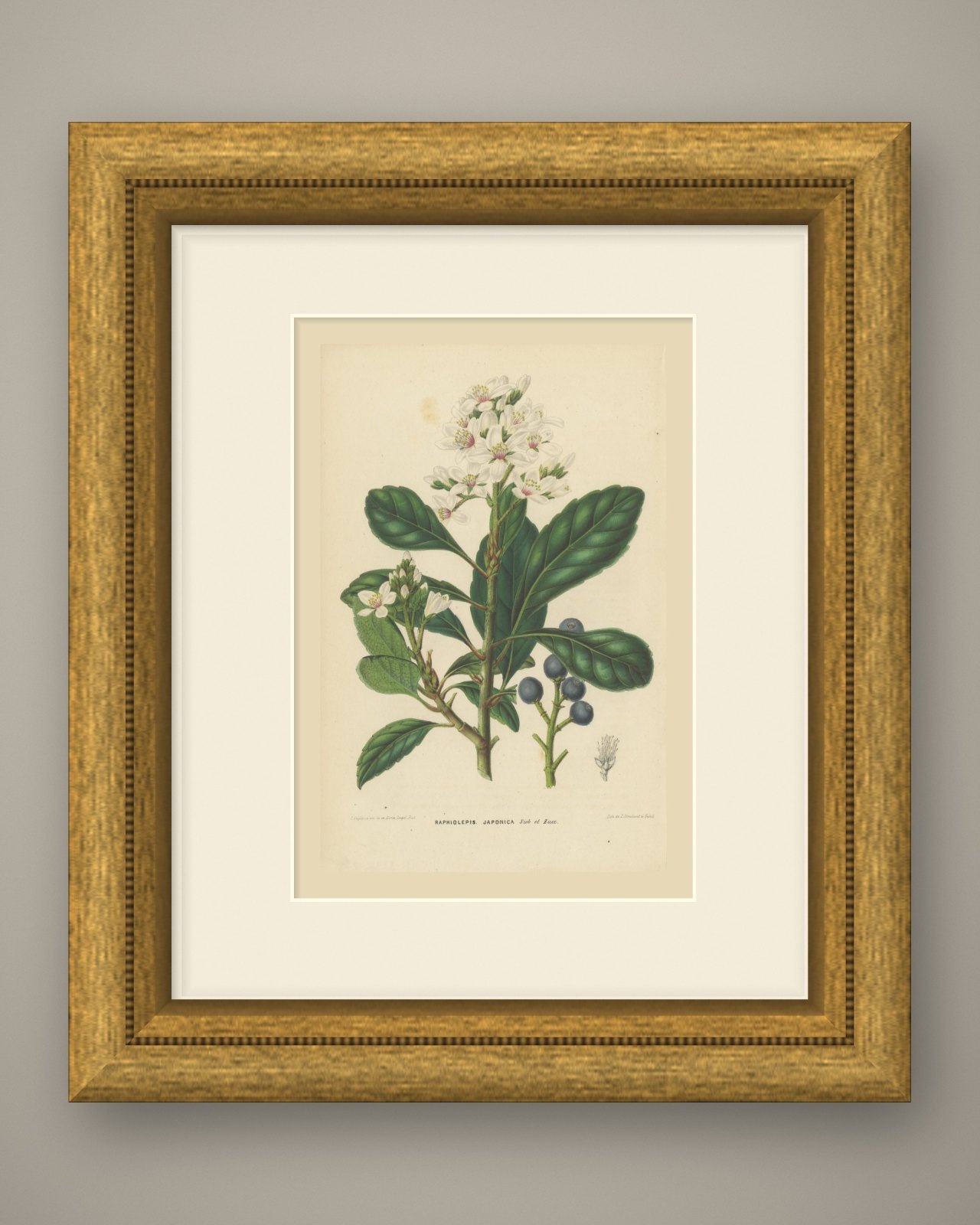
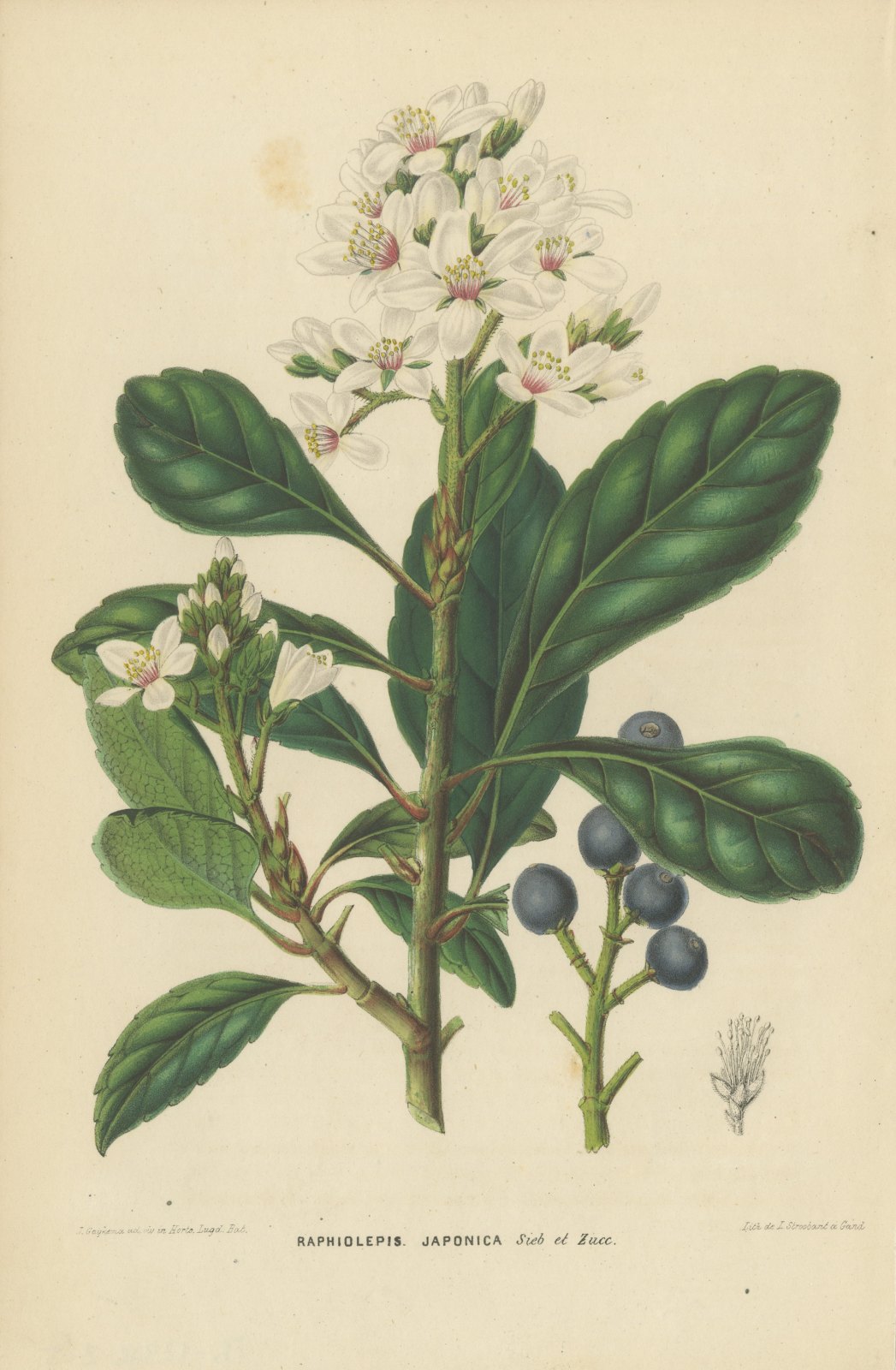
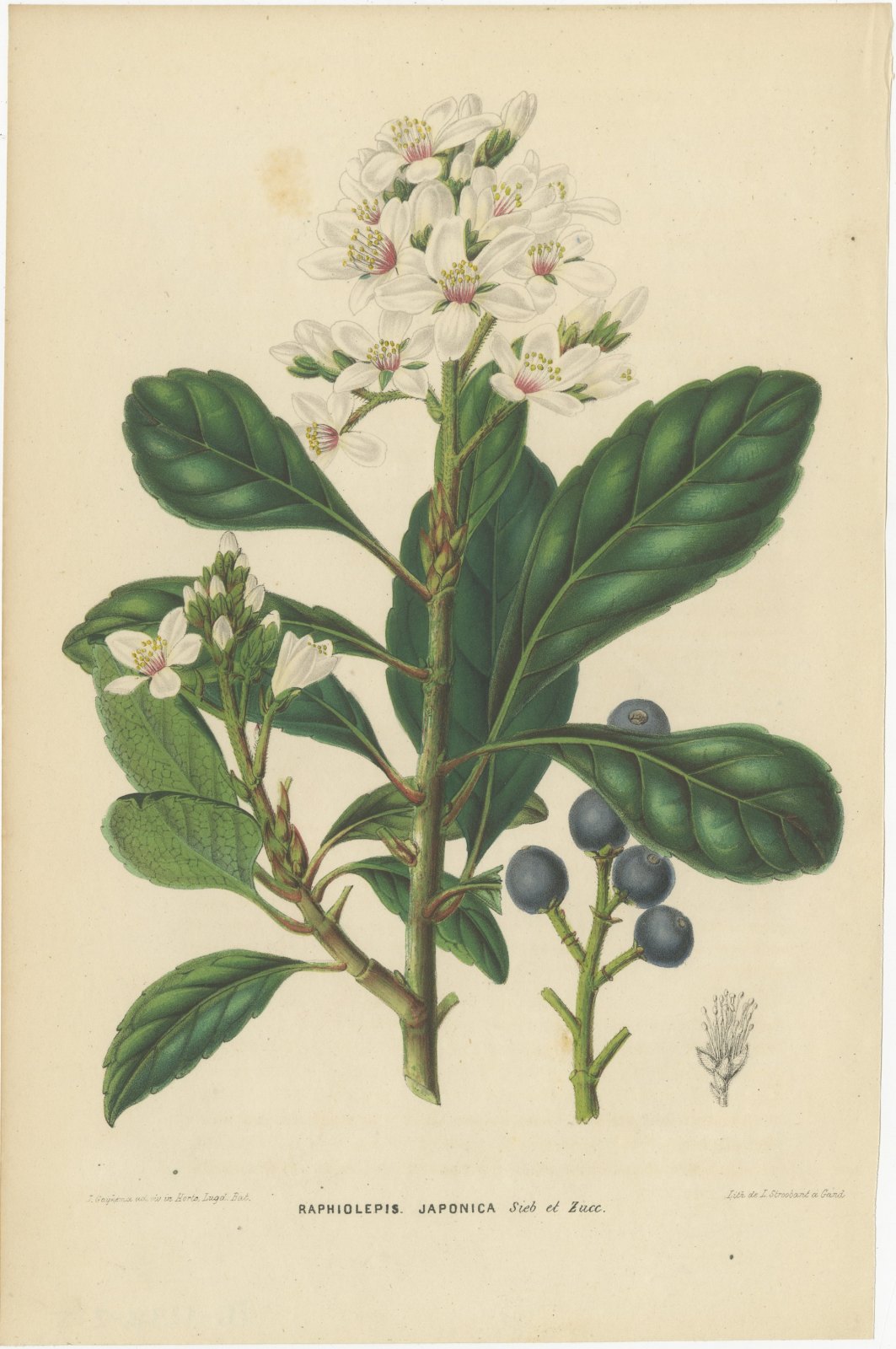
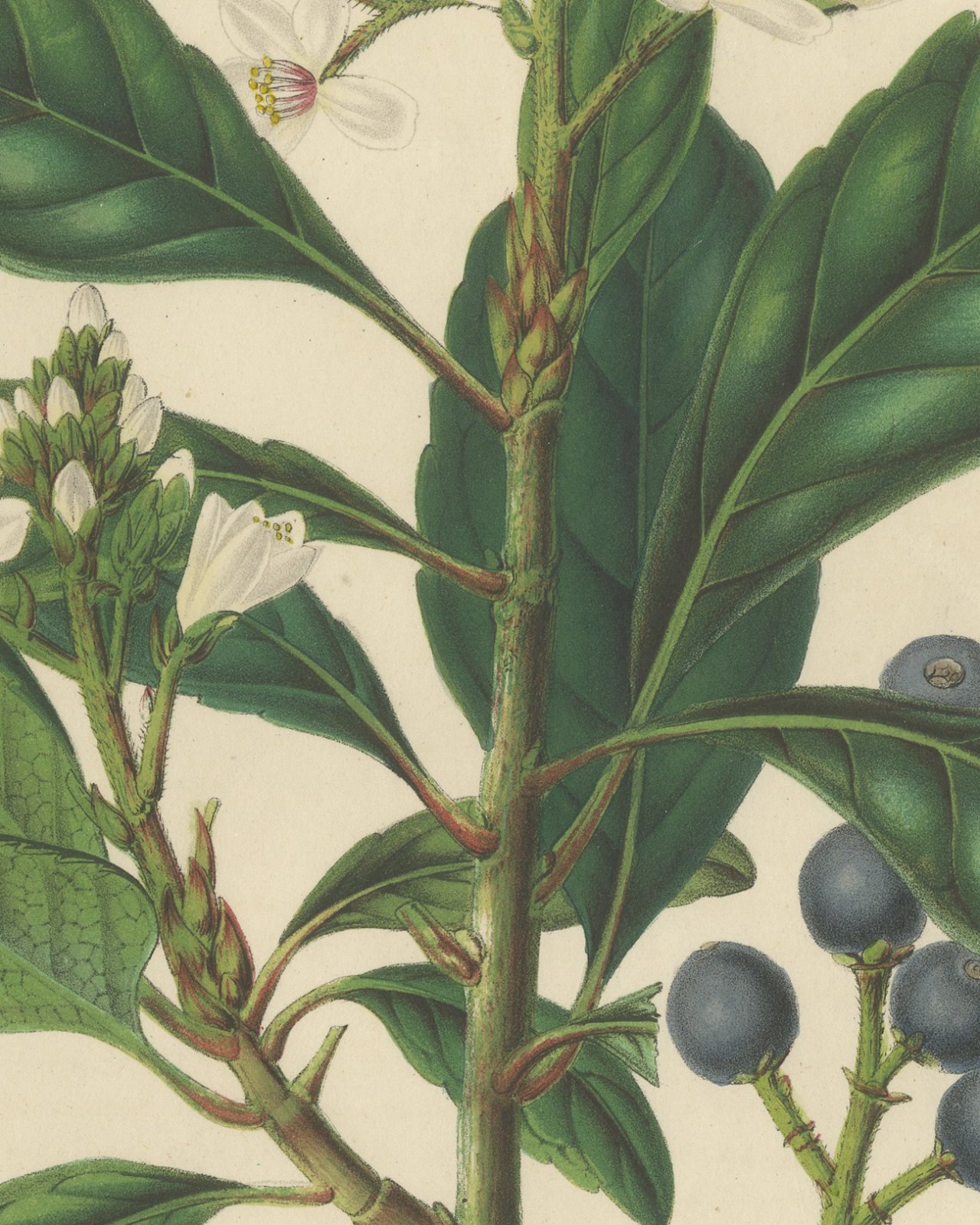
This is an original antique botanical print, a chromolithograph printed in color, lettered "RAPHIOLEPIS. JAPONICA Sieb et Zucc." An upright stem ends in a loose head of white five petaled flowers with pink centers and yellow stamens, with a side shoot of buds and one open flower at the left. Broad, dark green, leathery leaves spread from the stem, and on a separate stalk to the right hangs a small cluster of round blue black berries. A single flower detail is drawn at the lower right.
The name is lettered in capitals with the authority "Sieb et Zucc." (Siebold and Zuccarini). At lower left the artist's line reads "J. Gaÿkema ad. viv. in Horto. Lugd. Bat." (drawn by J. Gaÿkema from the living plant in the botanic garden at Leiden), and at lower right "Lith de L. Stroobant à Gand" (lithograph by L. Stroobant in Ghent). No plate number is printed on this plate. The genus is now usually spelled Rhaphiolepis.
The plate comes from the second volume of the Annales d'horticulture et de botanique, ou Flore des jardins du royaume des Pays-Bas, published at Leiden by A. W. Sythoff in 1859 for the Société royale d'horticulture des Pays-Bas under the patronage of King William III. The journal recorded cultivated and ornamental plants grown in the Netherlands and introduced from the Dutch possessions in the East Indies, from America and from Japan. Hort. Lugd. Bat. stands for Hortus Lugduno-Batavus, the botanic garden of Leiden University. L. Stroobant was a lithographer working in Ghent (Gand in French).
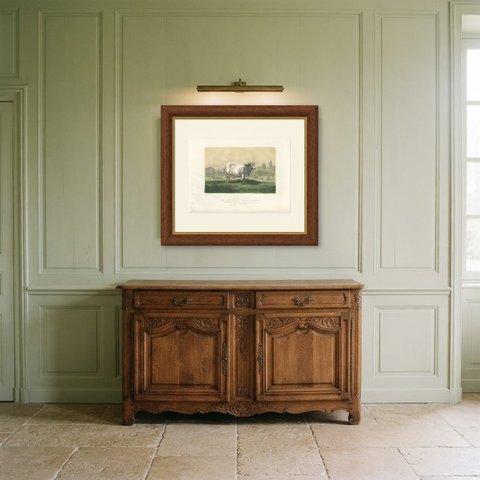
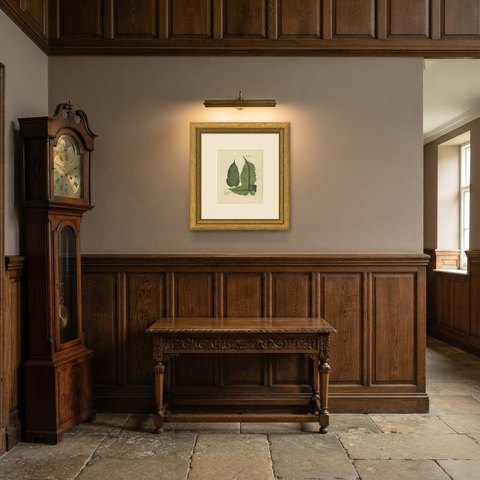
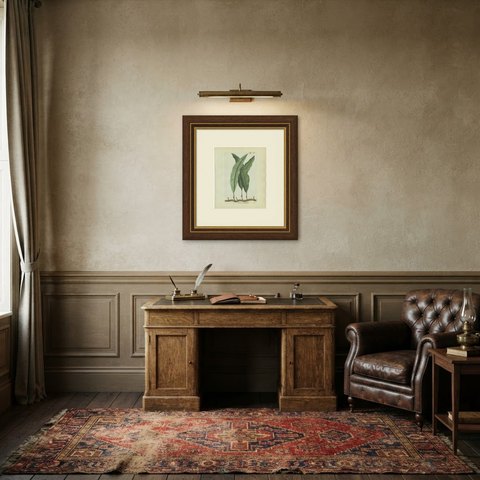
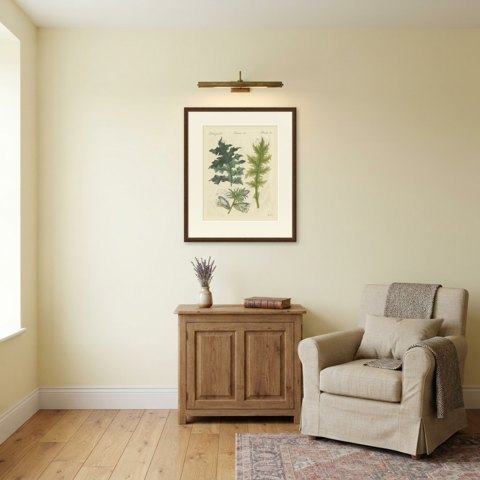
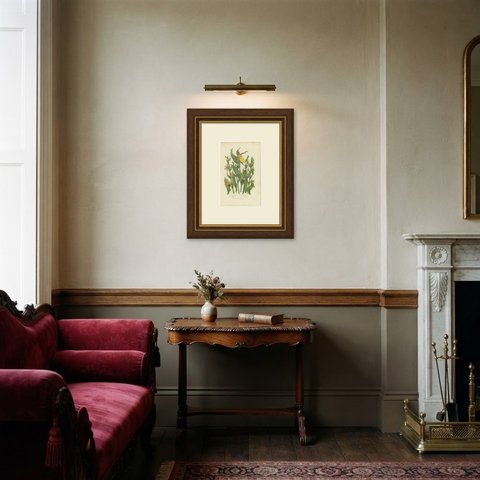
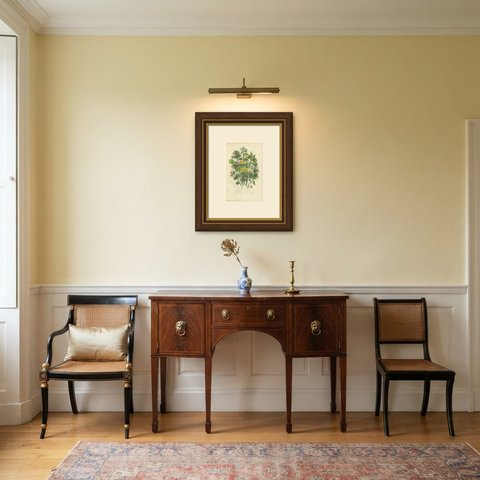
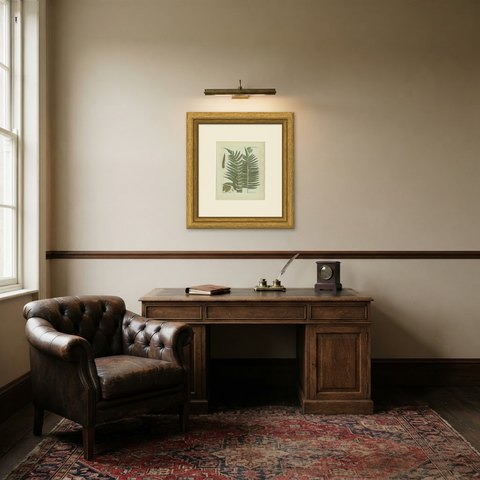
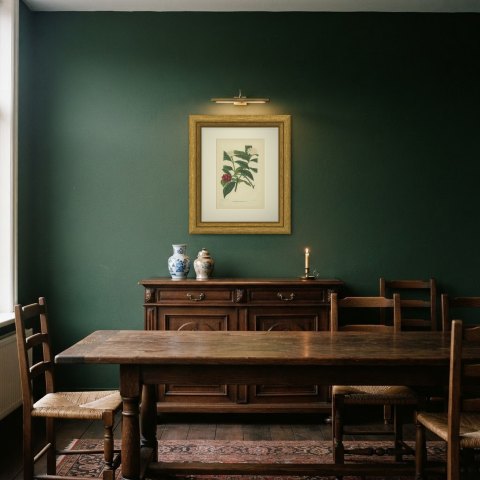
The strong color and clear drawing make it a good choice for a study, a garden room or a hallway, framed singly or in a group of plates from the same work.
This is an original antique print, not a modern reproduction. This item is sold unframed.