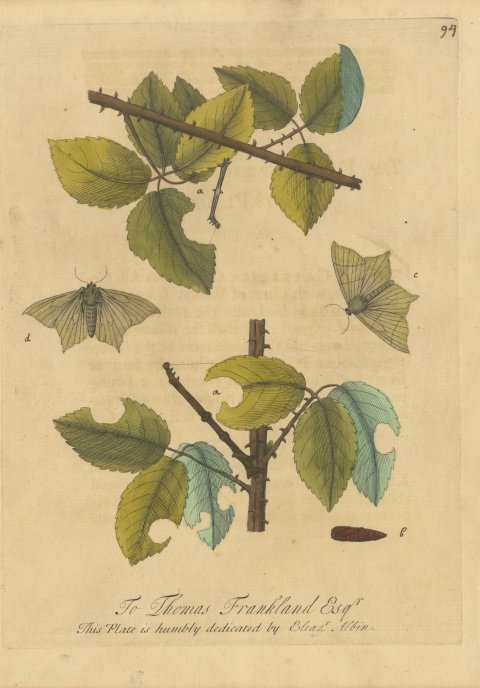
 The sheet, as you receive it
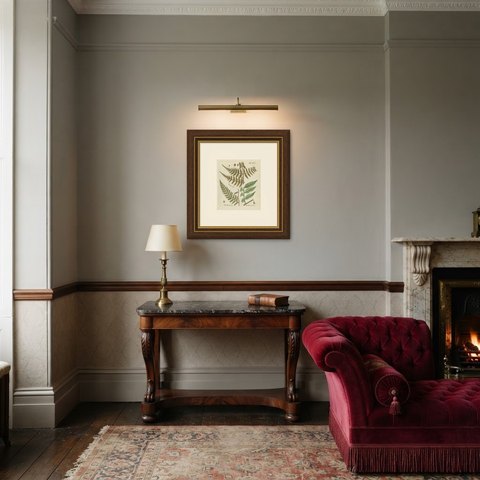
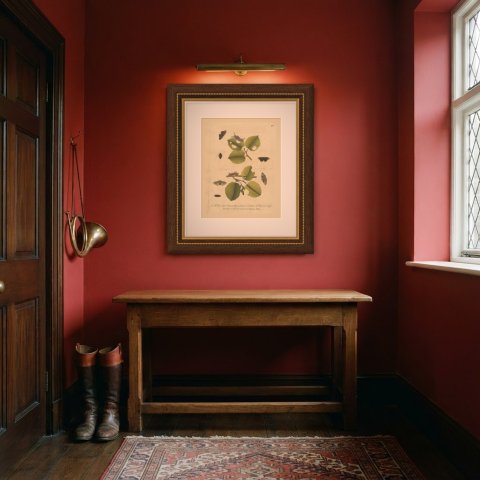
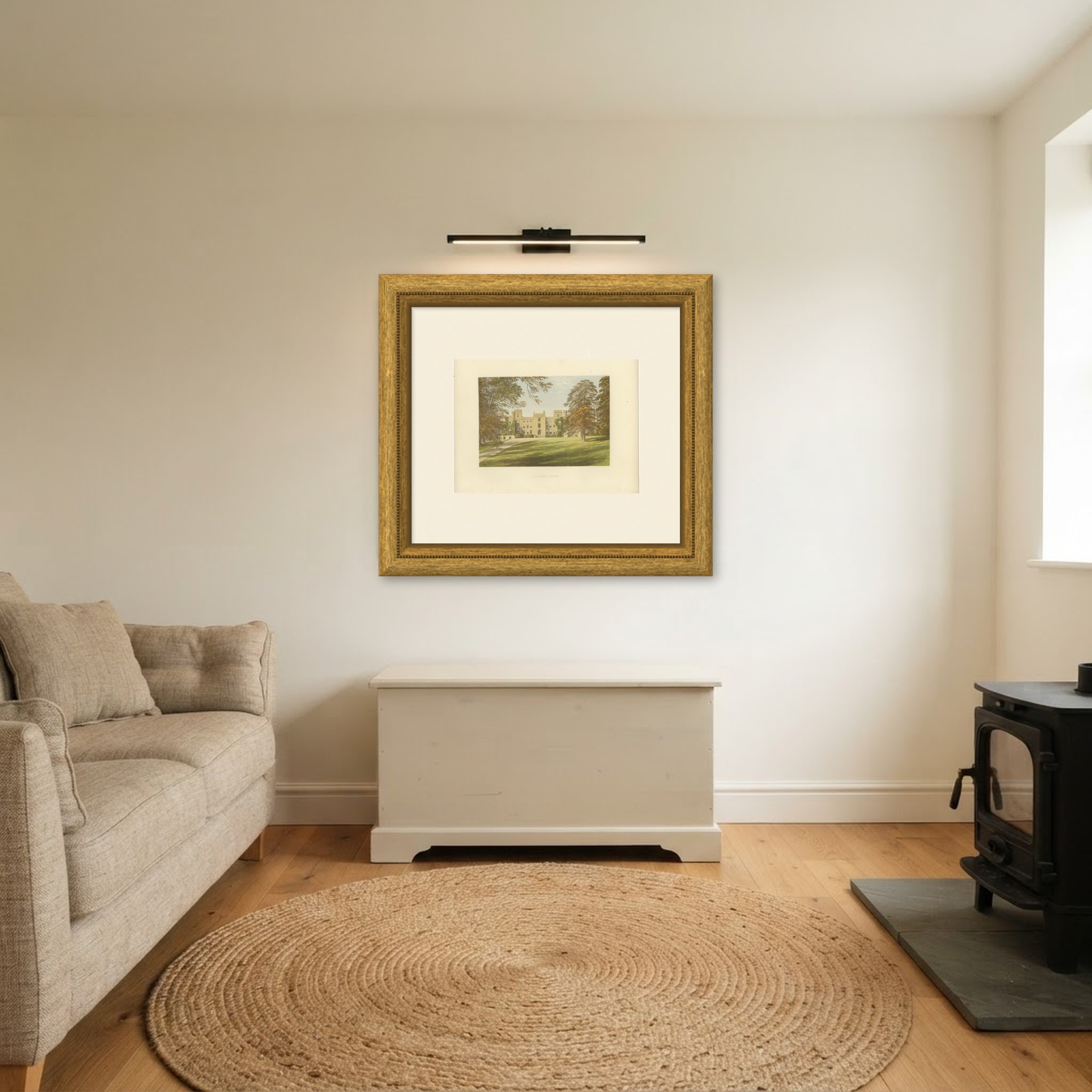
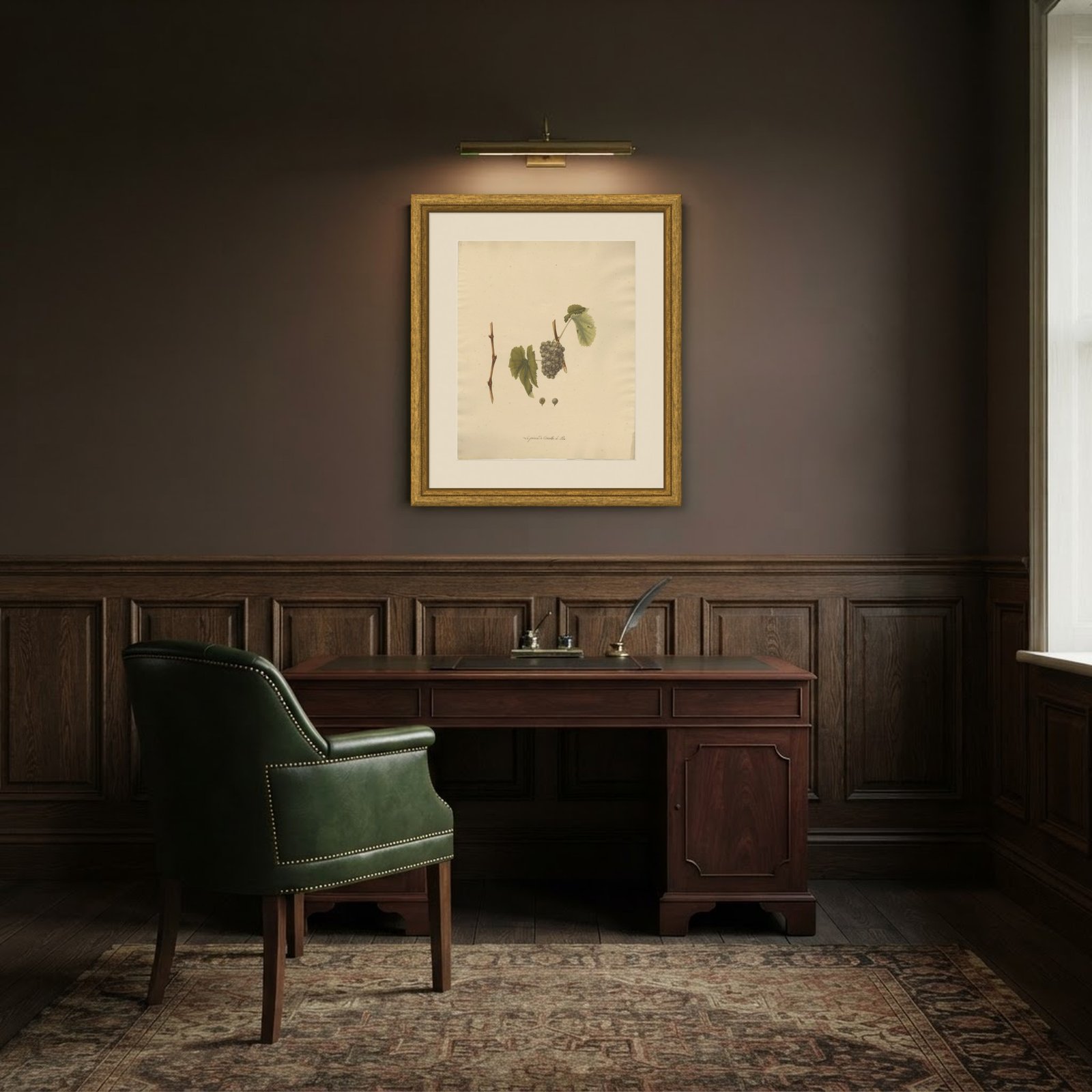 In the room
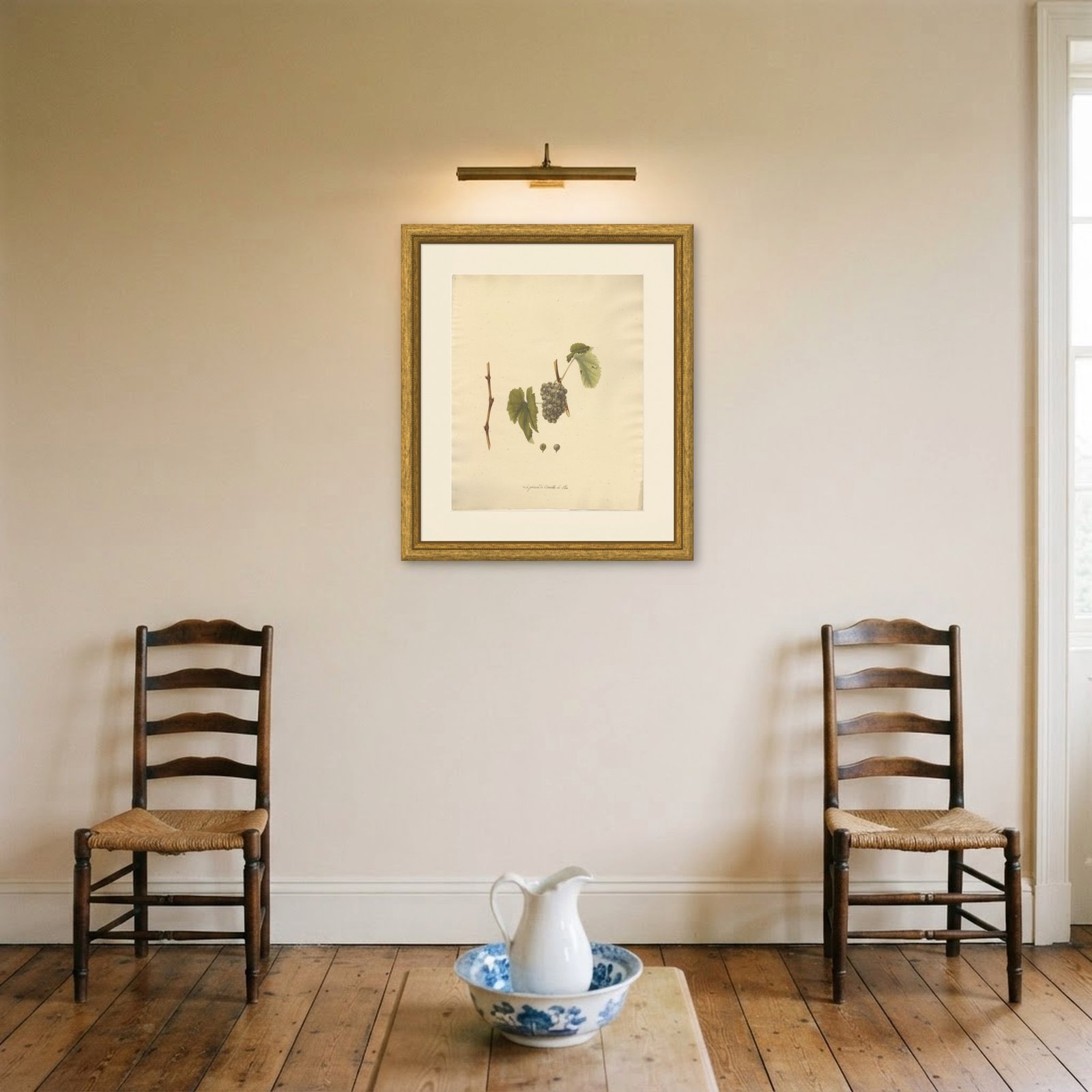
Interior designers: BarTrade members buy at their trade price. How it works
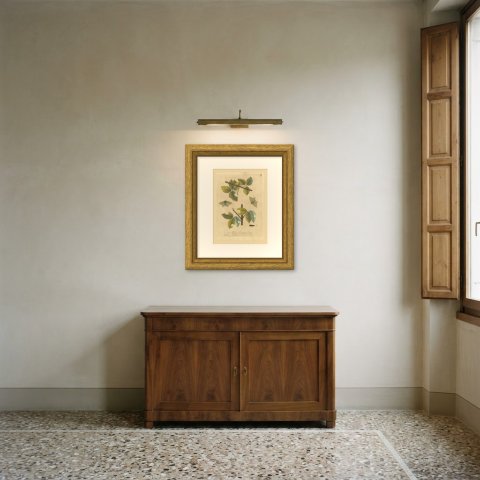
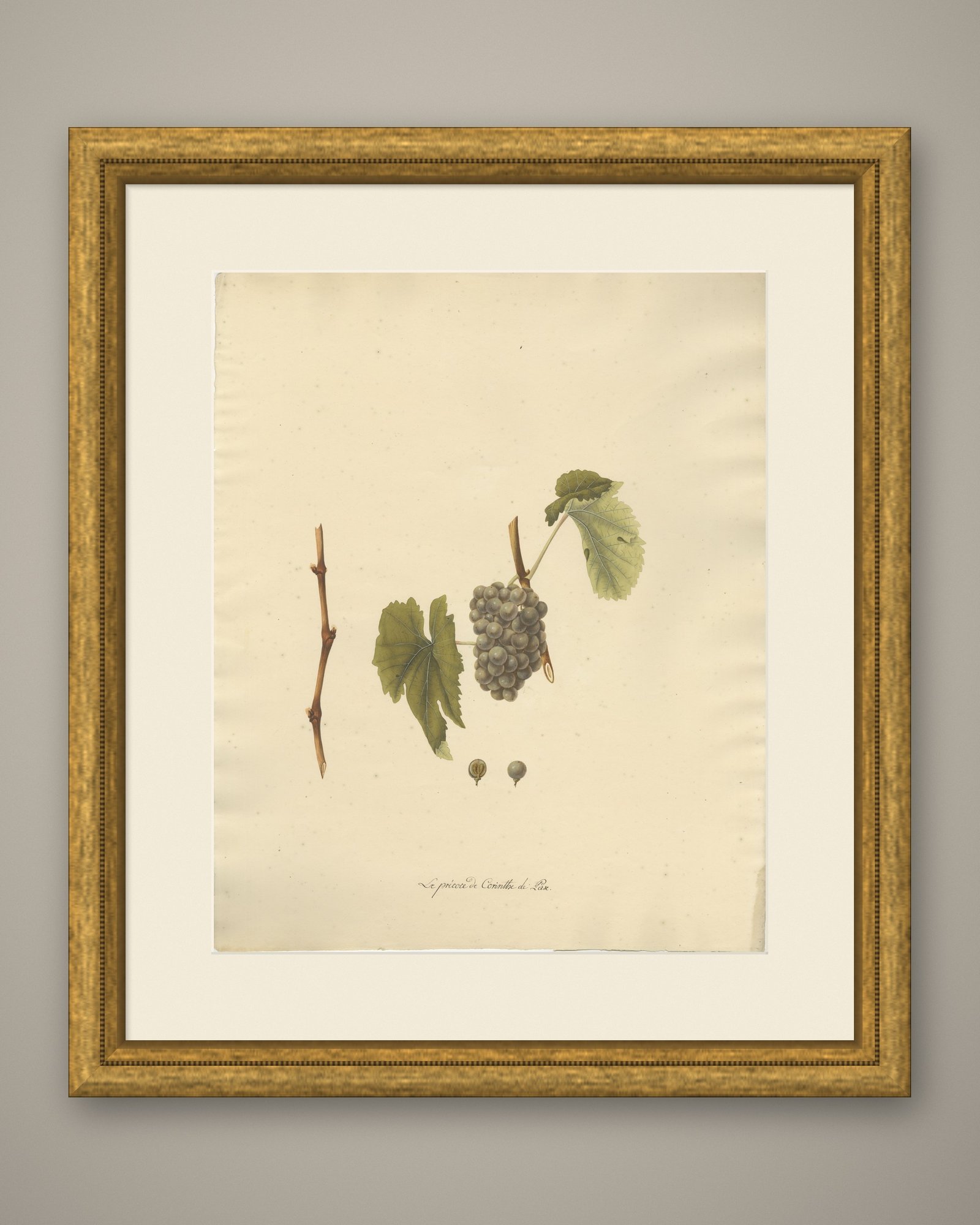
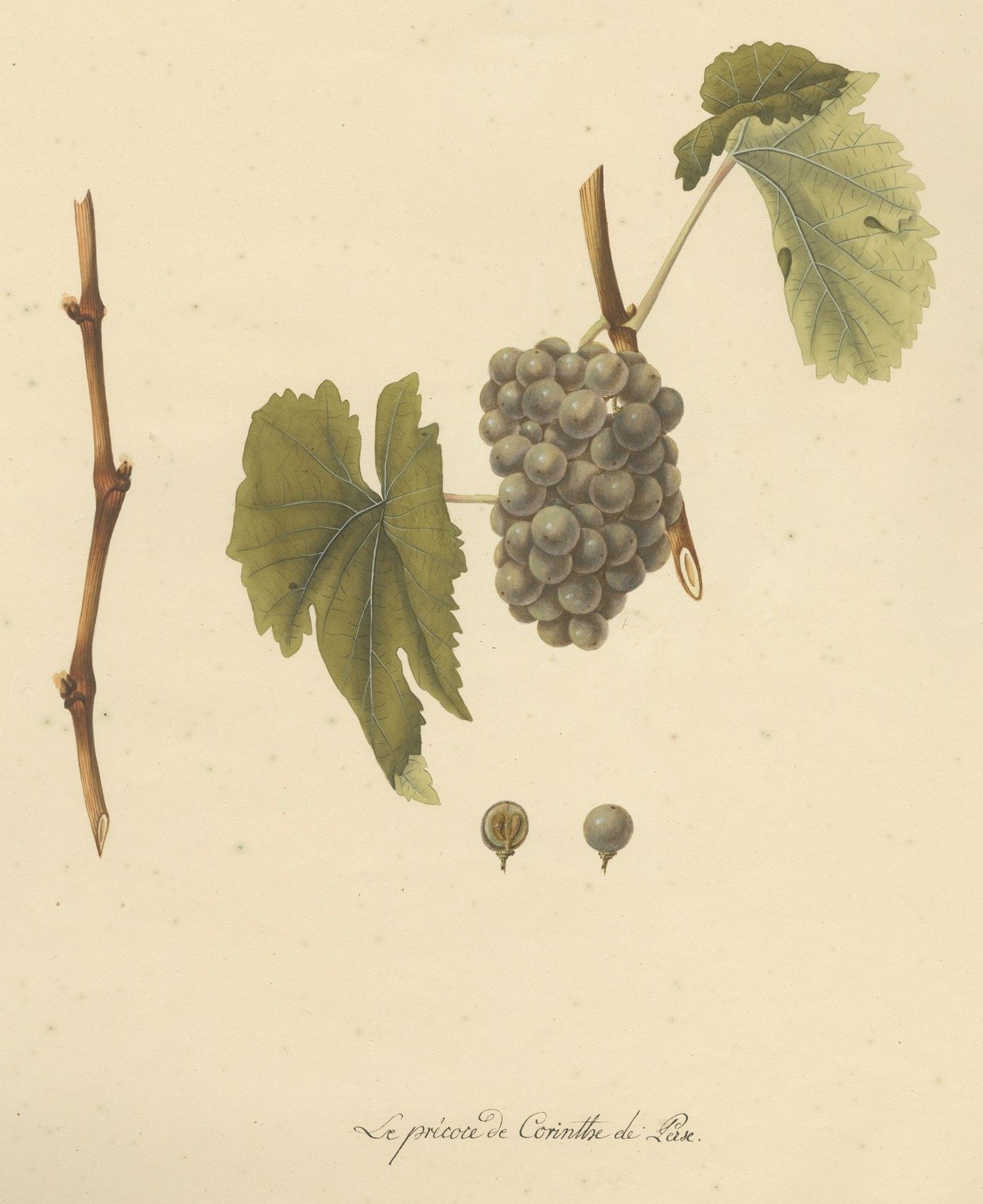
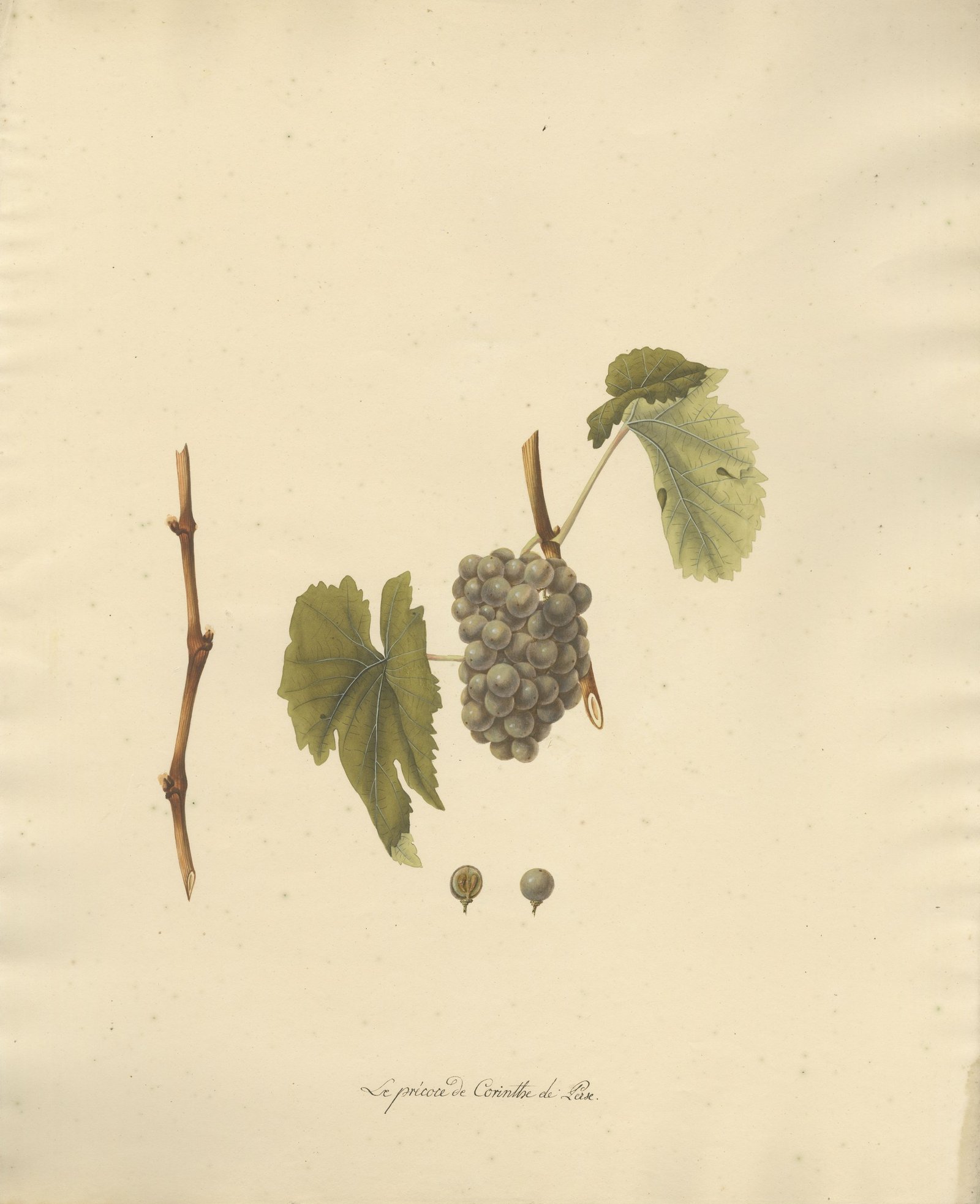
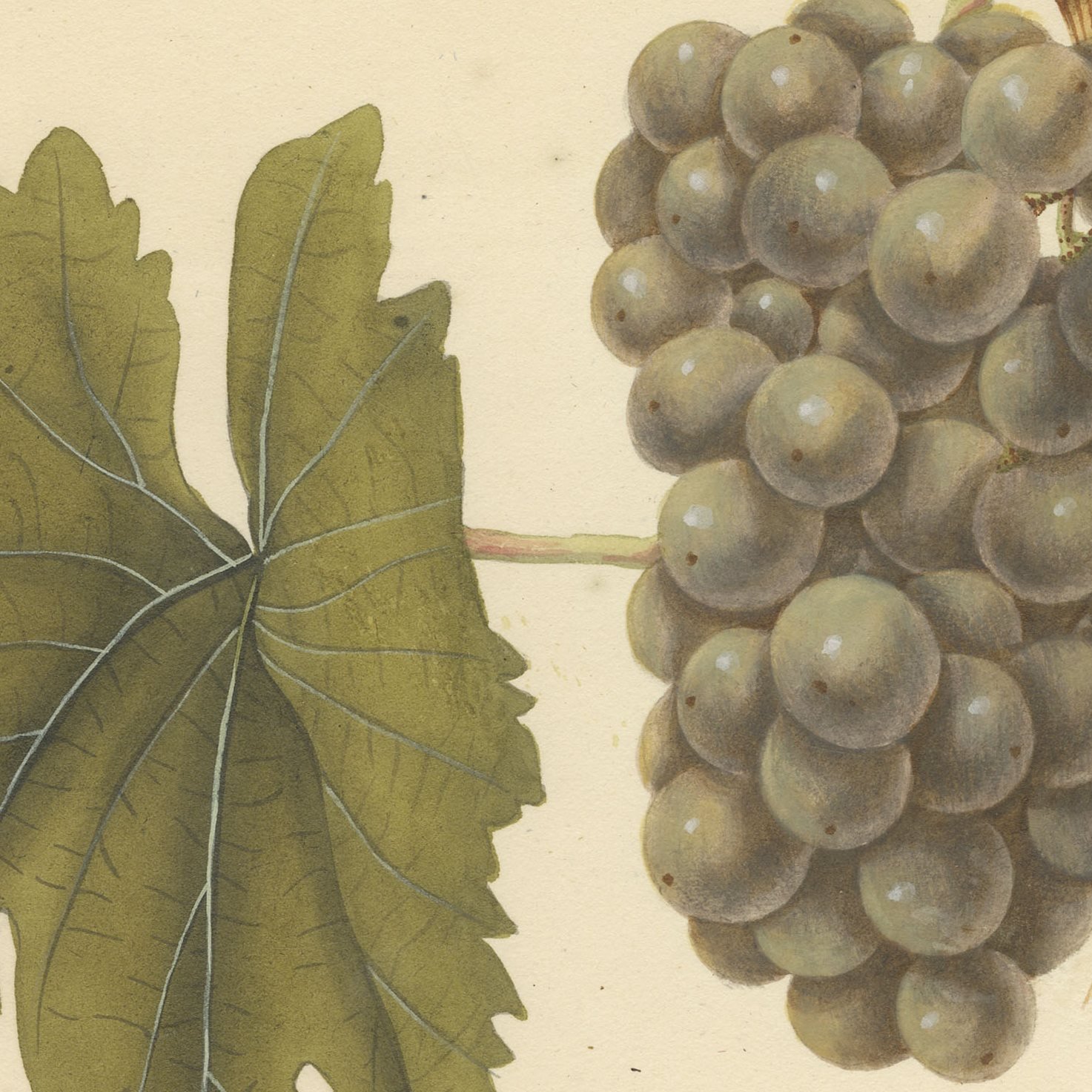
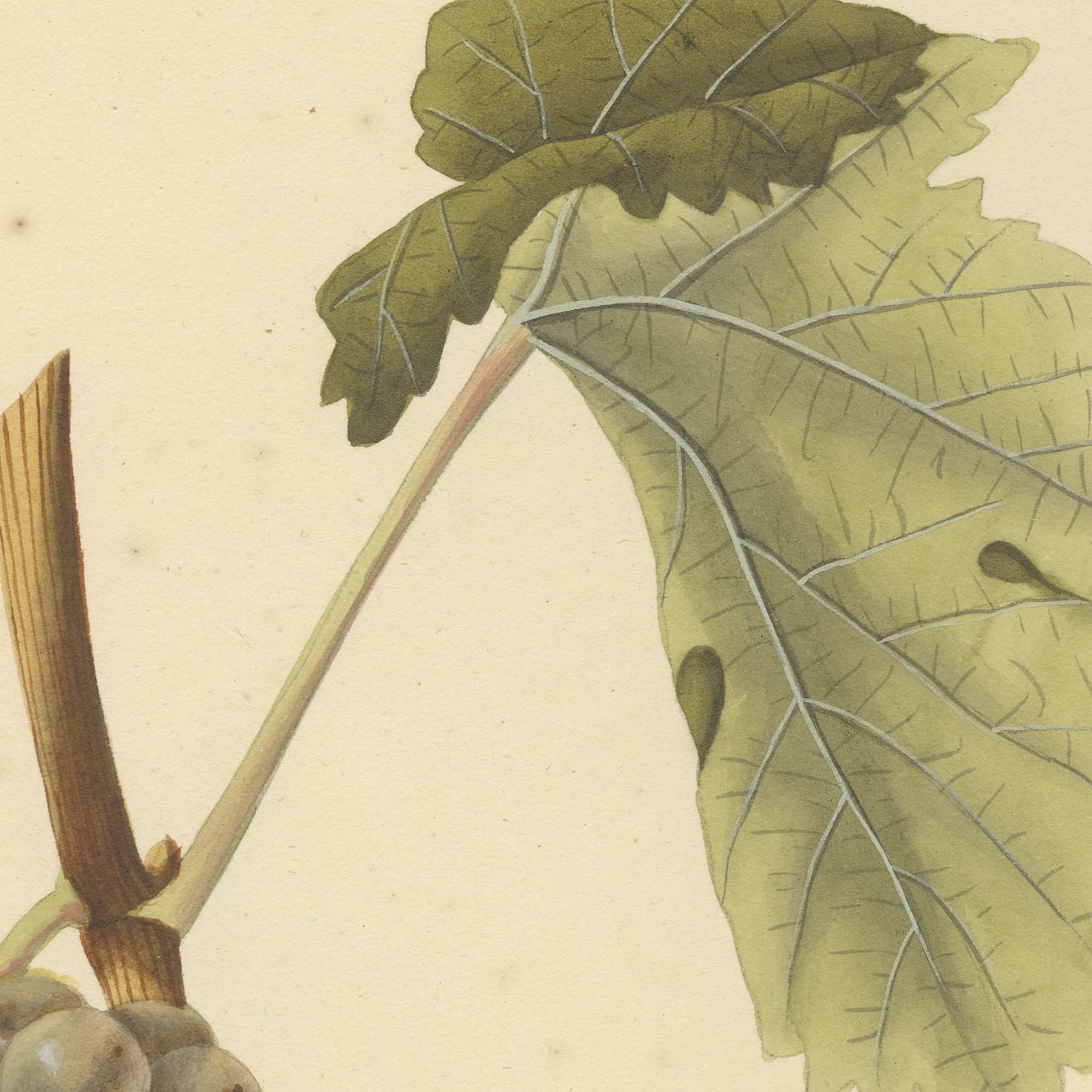
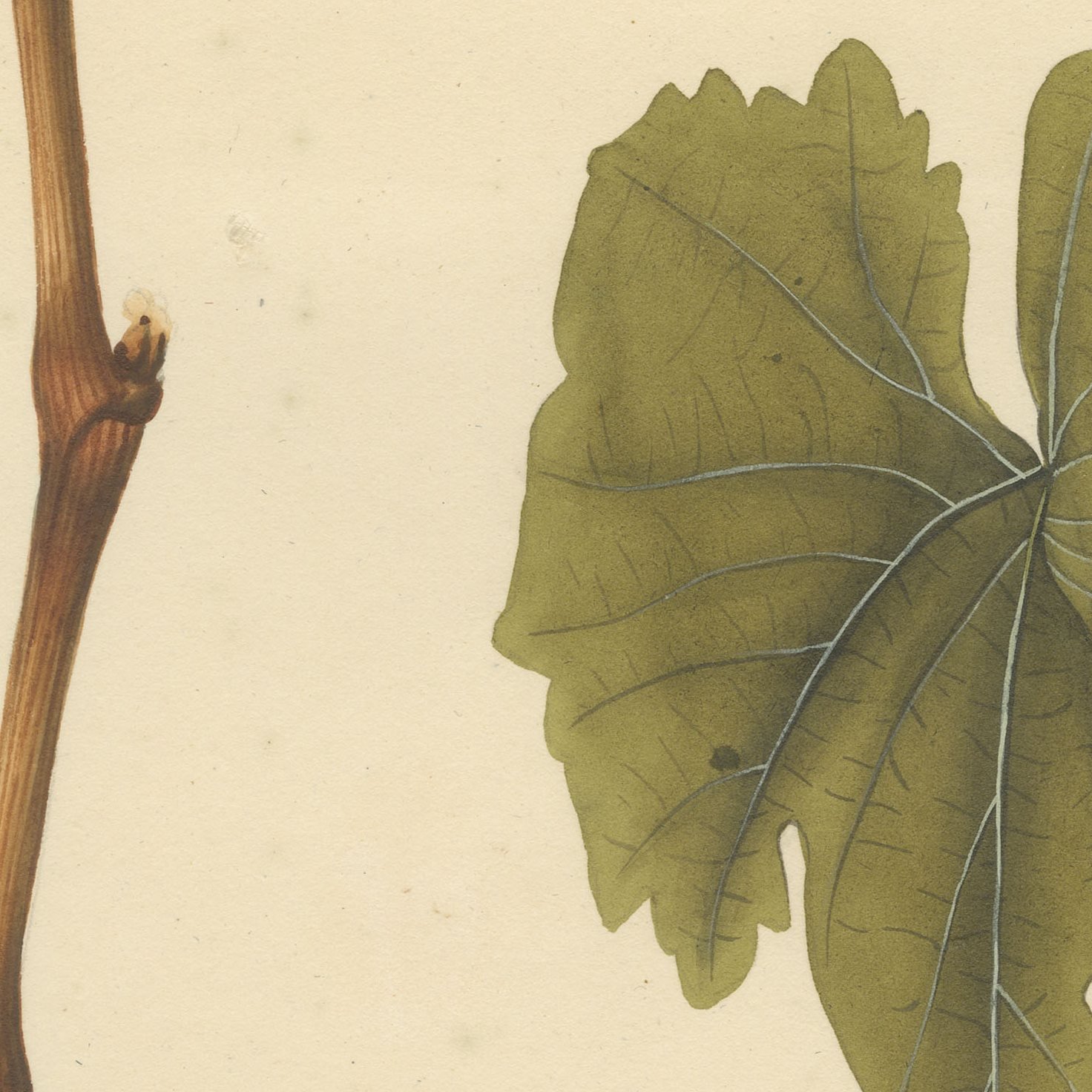
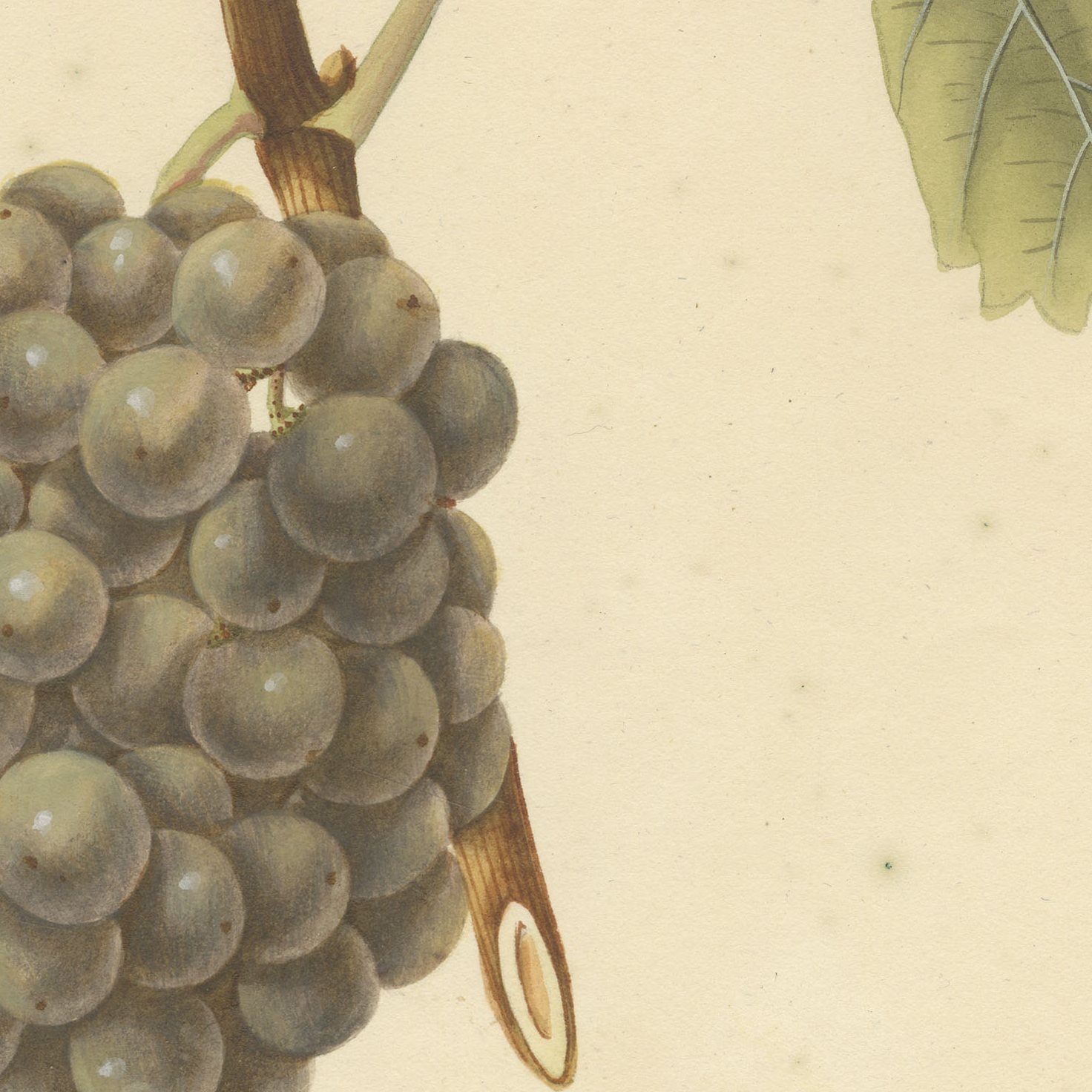
This antique stipple engraving, finished by hand in watercolor and body color, of the grape variety Le Precoce de Corinthe de Perse comes from Johann Simon von Kerner's Le Raisin, ses especes et varietes, made at Stuttgart about 1811. The sheet shows a long slender bunch of small pale berries hanging from a shoot with two gray green leaves, the cane cut short at the left of the sheet and two separate berries placed beneath, all set on the bare cream ground the work uses throughout.
This sheet comes from Johann Simon von Kerner's Le Raisin, ses especes et varietes, Stuttgart, about 1811. Kerner was born at Kirchheim in 1755 and died at Stuttgart in 1830, and he spent his working life painting plants for the Wuerttemberg court in a wine growing country. The sheets are printed on wove paper watermarked C and I Honig, the Dutch paper that European artists of the period bought for work they intended to last.
The Corinth grape is the currant vine, grown for drying rather than for wine, and the early Persian form recorded here is the small berried seedless kind that gave the dried currant its name. It reflects how wide Kerner cast his net. The medium is a stipple engraving finished by hand in watercolor with gouache. The transparent washes carry the leaf and the flesh of the fruit, and the opaque body color is reserved for the bloom on the dark berries and for the highlights on the cane, which is the finishing a trained botanical colorist of the period gave a plate worked from the living plant. It hangs beautifully singly above a sideboard, and two or three sheets from the work on one wall give a dining room or a hallway the kind of botanical sequence that is almost impossible to assemble from loose plates at this scale.
Even age toning. Scattered light foxing in the margin. All four corners complete. Minor edge wear, shallow nicks along the bottom.
This is an original antique print, not a modern reproduction. This item is sold unframed.