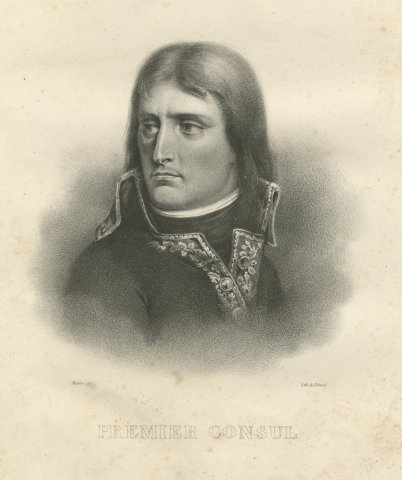
 The sheet, as you receive it
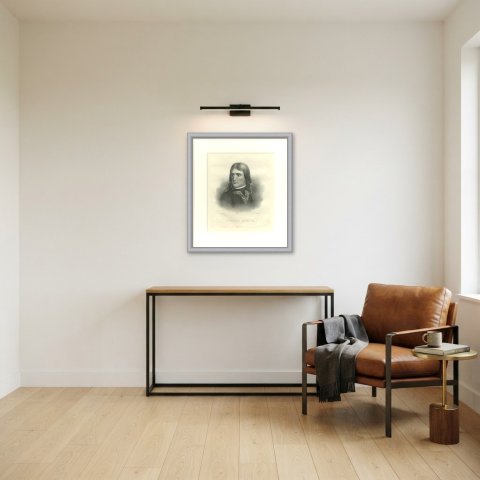
 In the room
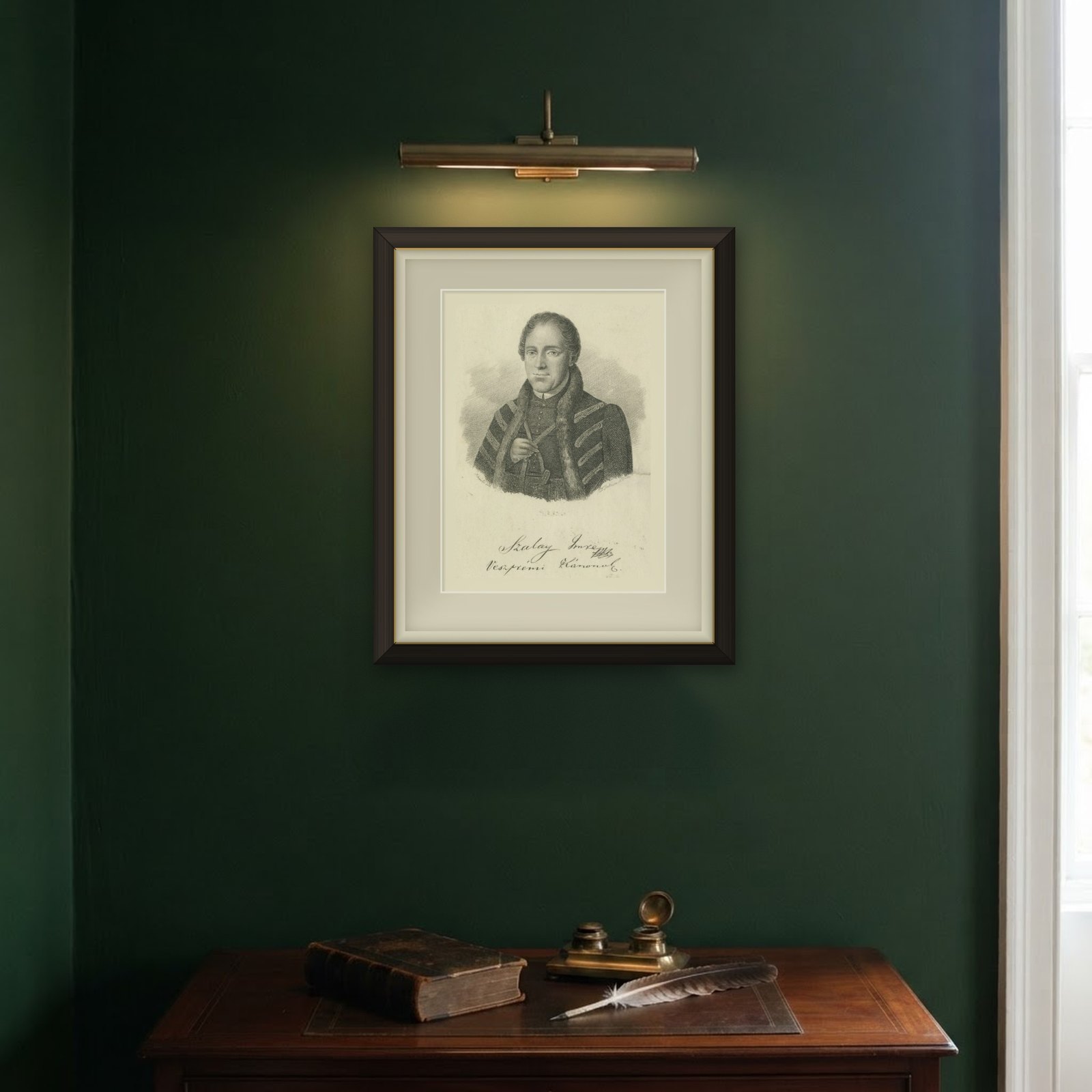
Interior designers: BarTrade members buy at their trade price. How it works
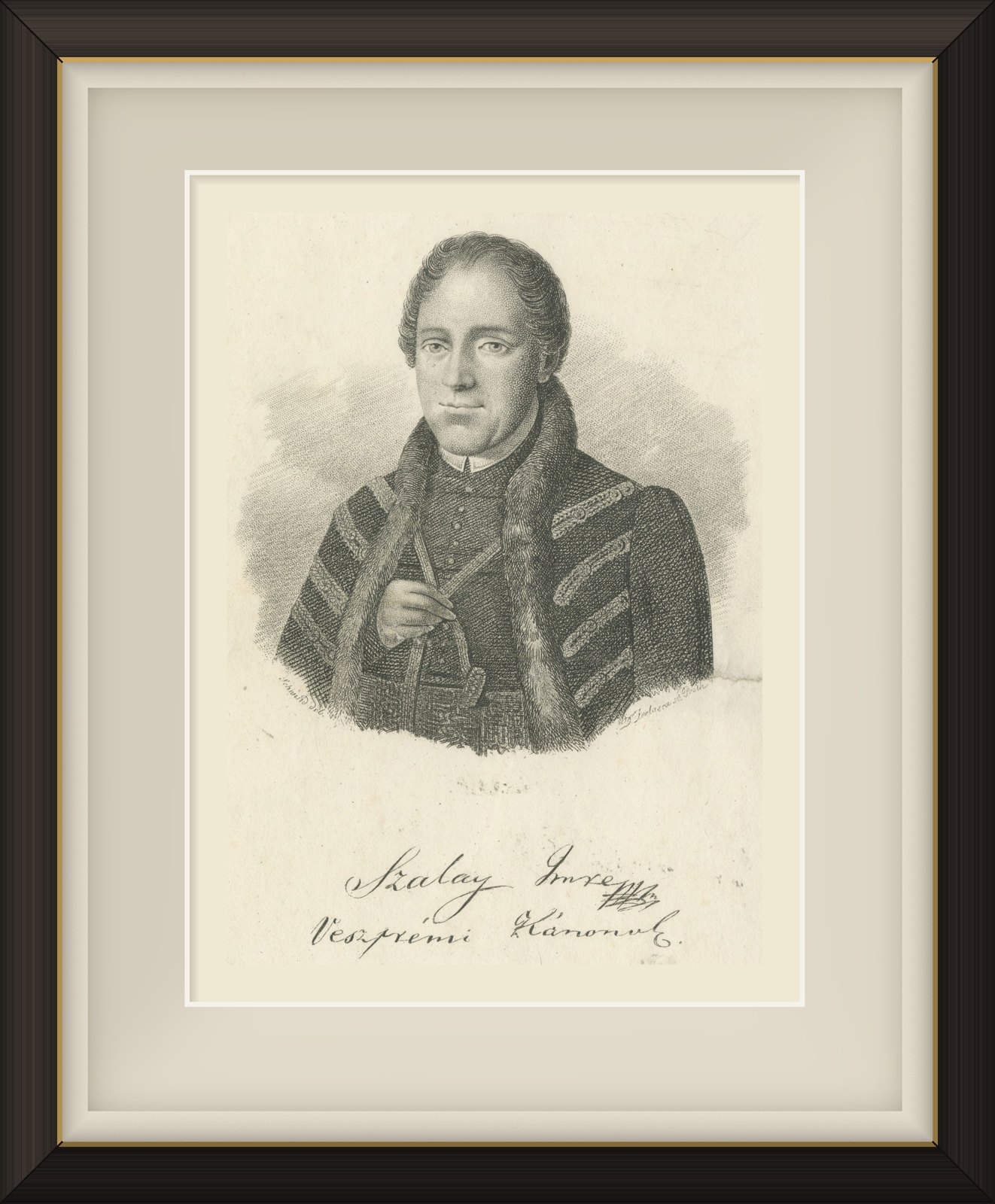
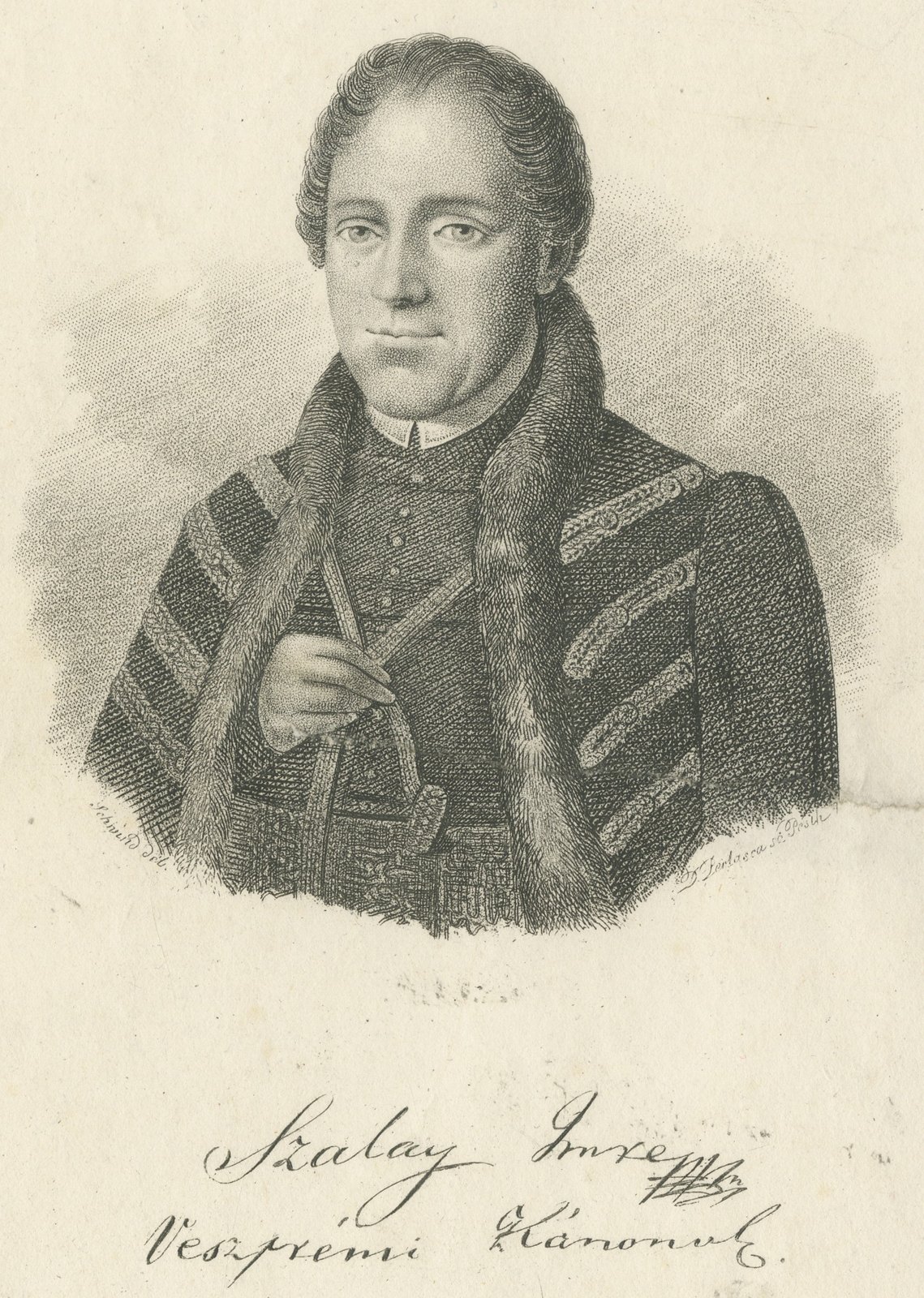
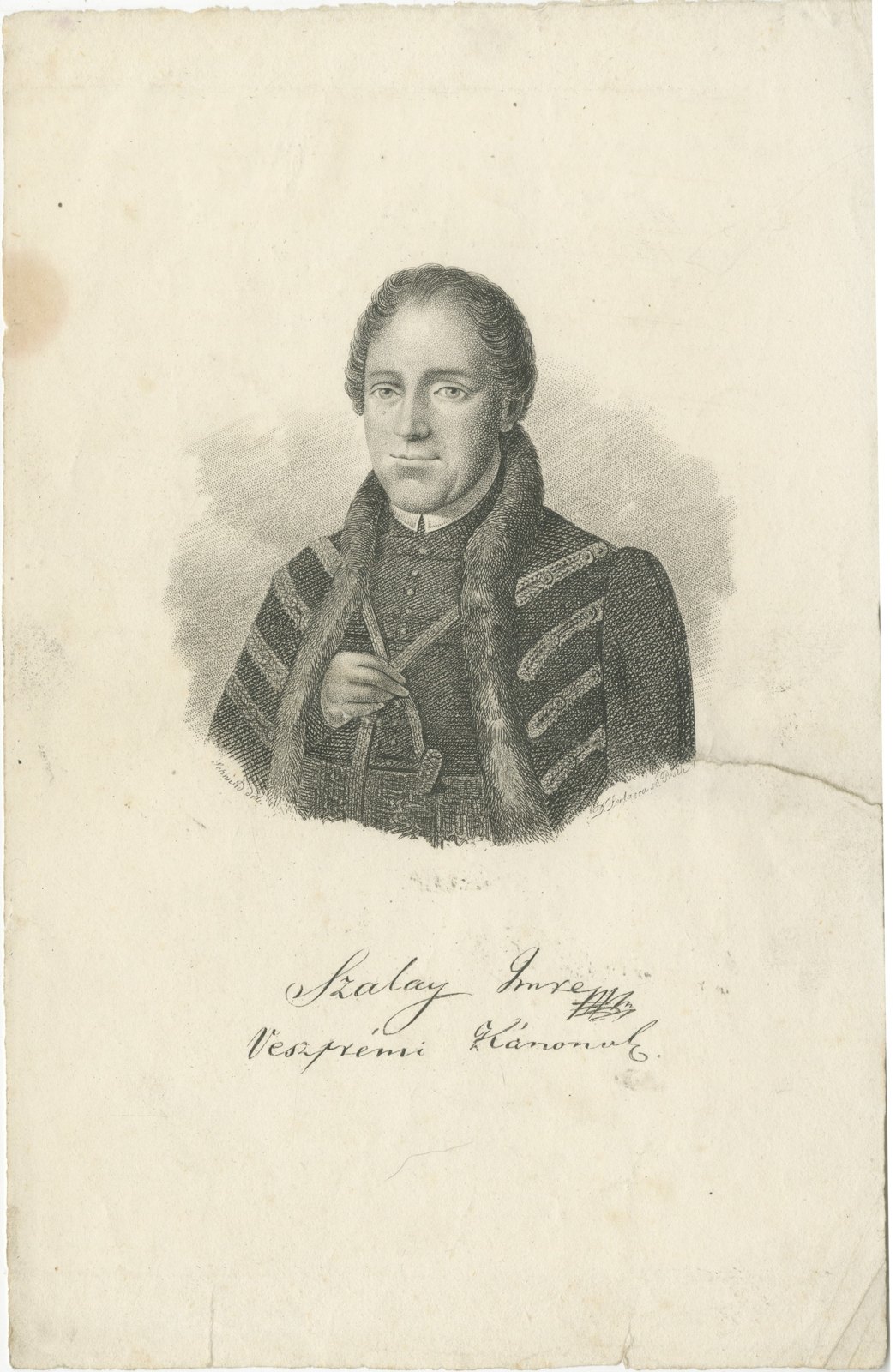
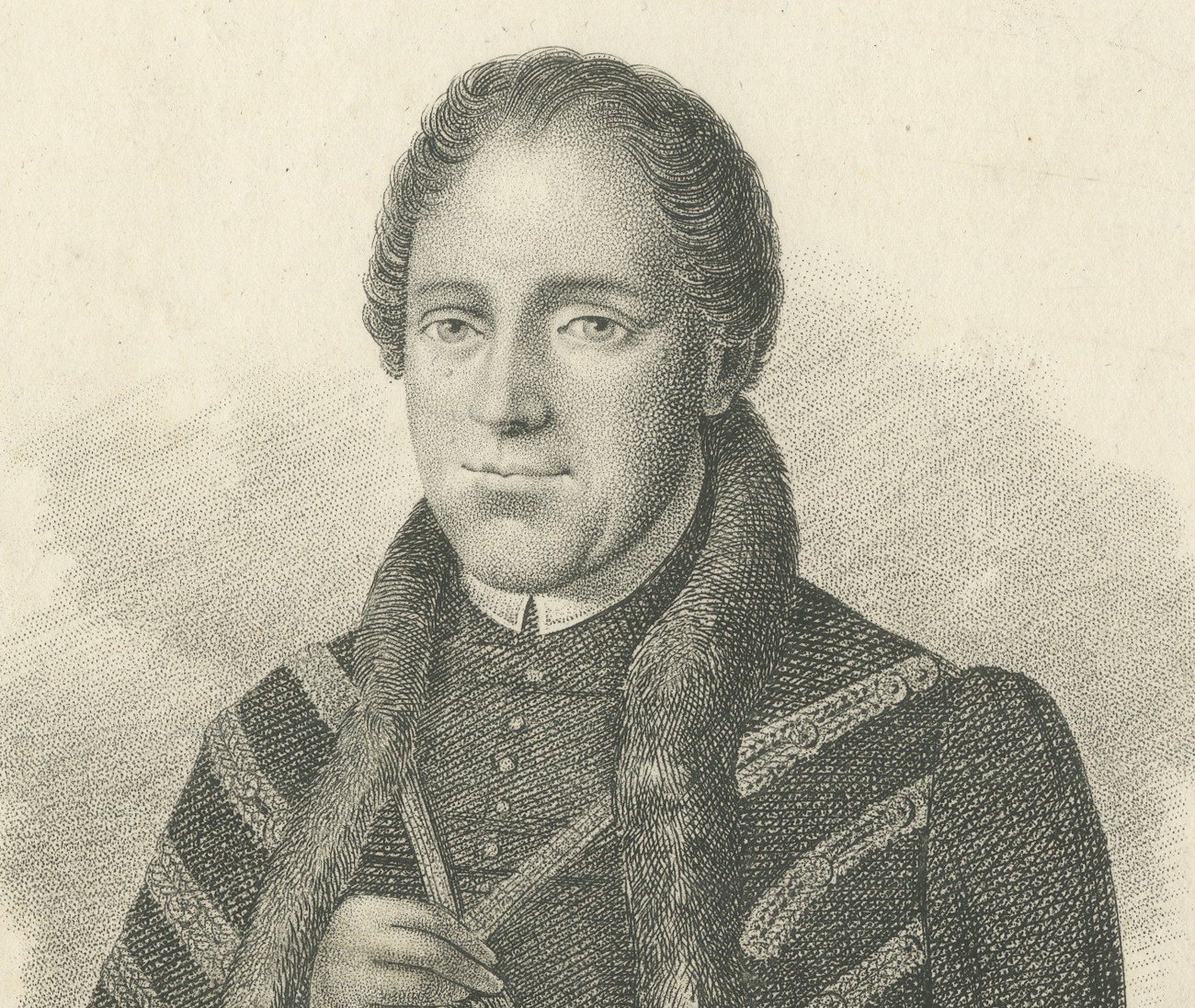
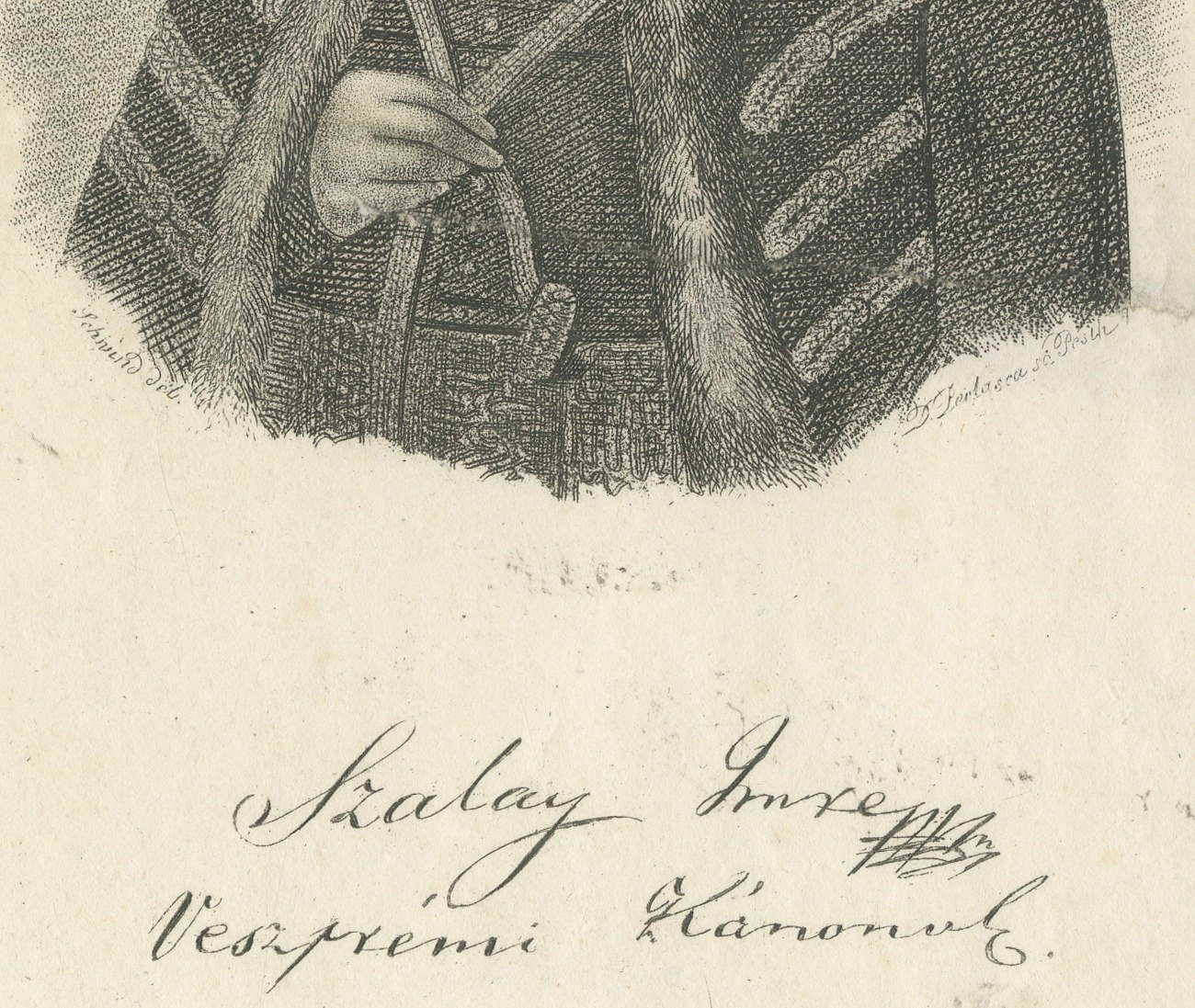
This engraved portrait shows Imre Szalay (1787 to 1848), the Hungarian churchman and teacher of theology, lettered beneath the image in elegant script "Szalay Imre / Veszprémi Kánonok", that is, Imre Szalay, canon of Veszprém. The plate is signed in small italic lettering by the draftsman at lower left and by the engraver at lower right, the engraver's signature ending with the place name Pesth, the old spelling of Pest, where the plate was made.
Szalay was born in Szombathely in 1787 and in 1825 became professor of pastoral theology and sacred oratory at the Royal Hungarian University in Pest, where he also served as dean of the faculty of theology. He was elected to the Hungarian Academy of Sciences, and in 1835 he was appointed a canon of the cathedral chapter of Veszprém, later becoming abbot of Bélakút and custodian of the chapter. He died in 1848.
The portrait is half length, the sitter turned slightly to the left and looking out at the viewer with a calm, direct expression. He wears a clerical collar beneath a dark Hungarian coat richly braided across the chest, with a broad fur collar falling over the shoulders, and his right hand rests in the opening of the coat. The face is modeled in fine stipple and short flicks, while the coat and fur are cut in bold, crisp line, and the figure fades into a soft vignette of hatched shading at the sides.
Hungarian portrait engravings of the period before 1848 were produced in modest numbers for a learned and patriotic public, and they are far less common on the market than Viennese or German work. This plate will appeal to collectors of Hungarian history, of church history and of the portraiture of the Reform Era, and it would frame well in a narrow dark molding with a wide mat.
This is an original antique print, not a modern reproduction. This item is sold unframed.