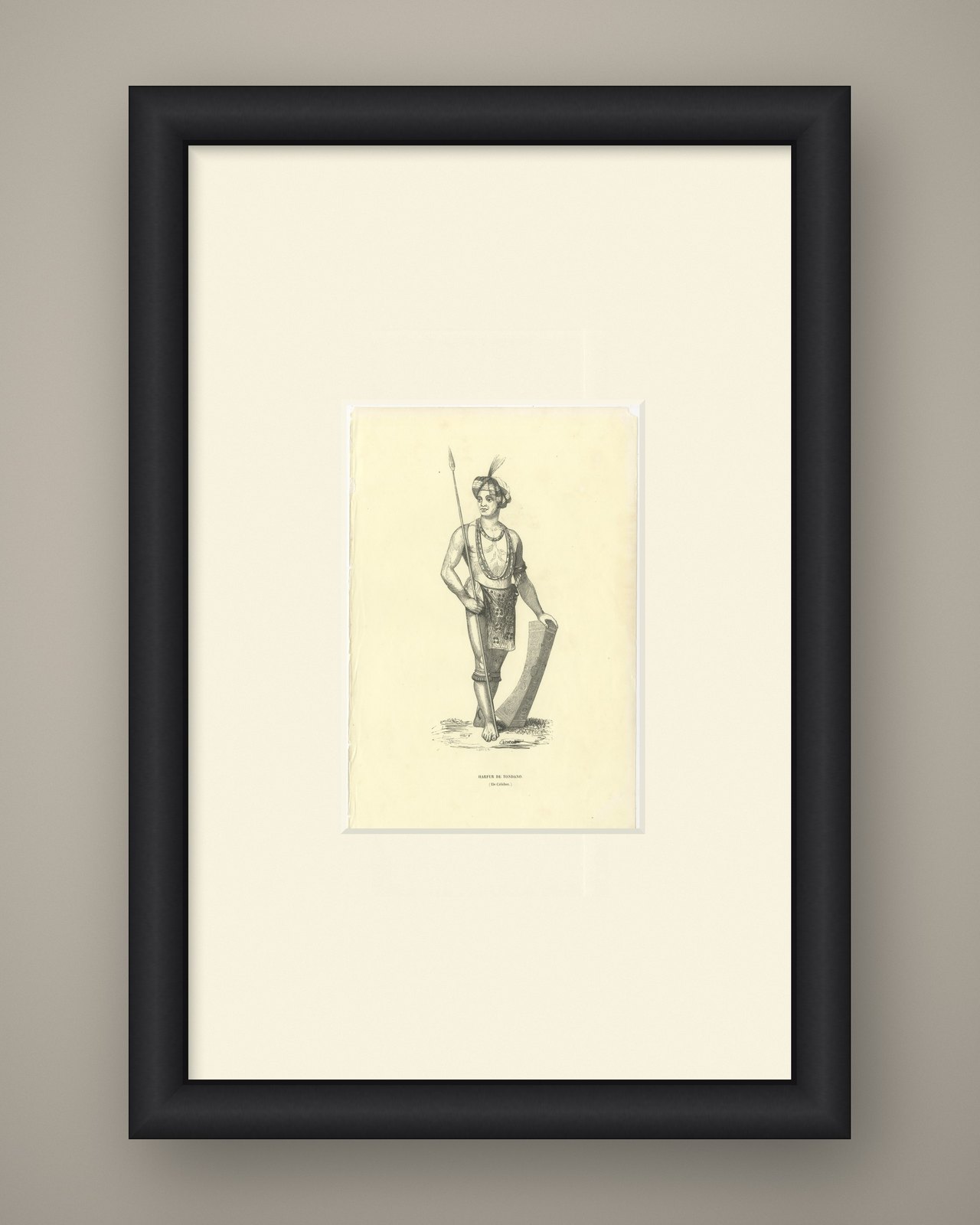
 The sheet, as you receive it
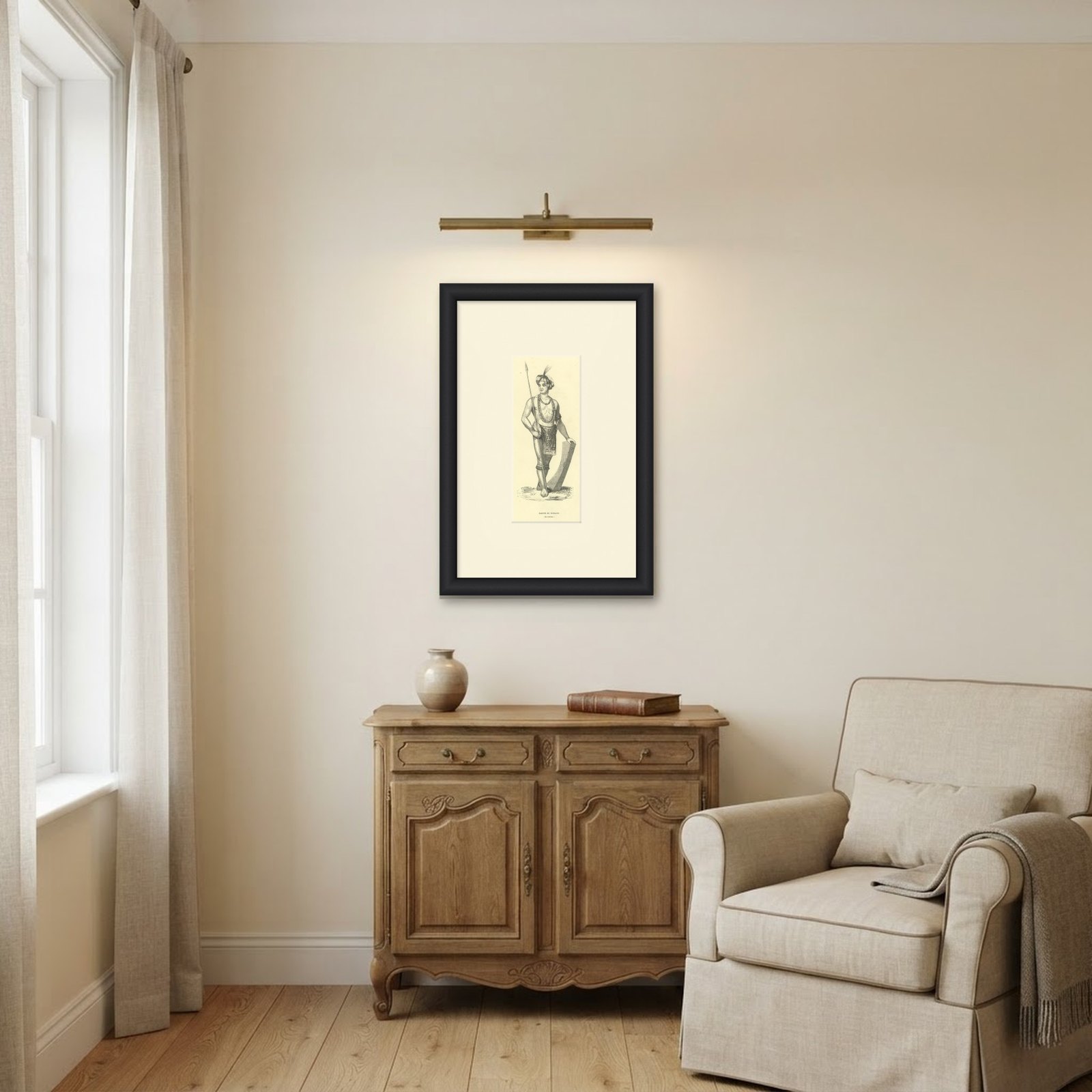 In the room
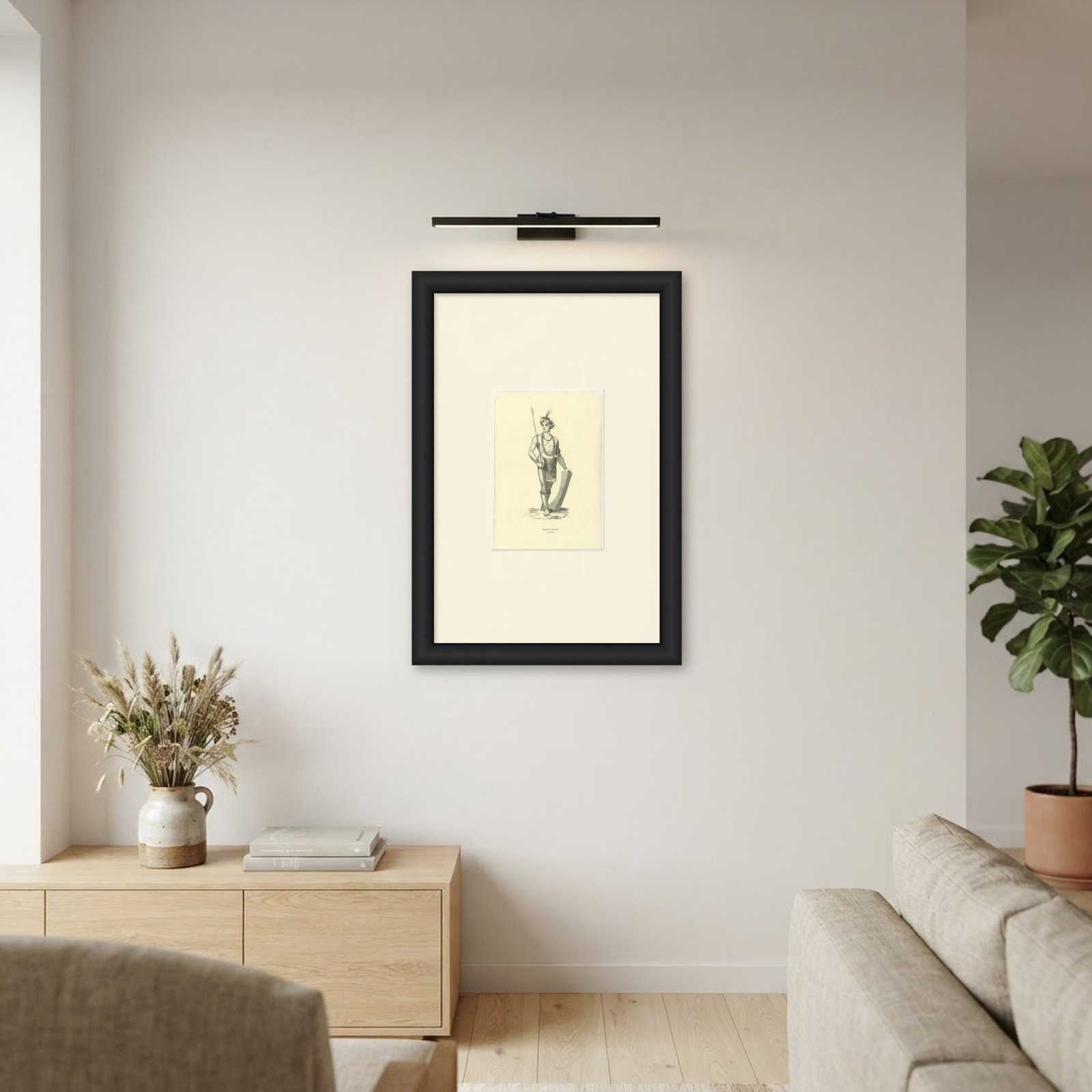
Interior designers: BarTrade members buy at their trade price. How it works
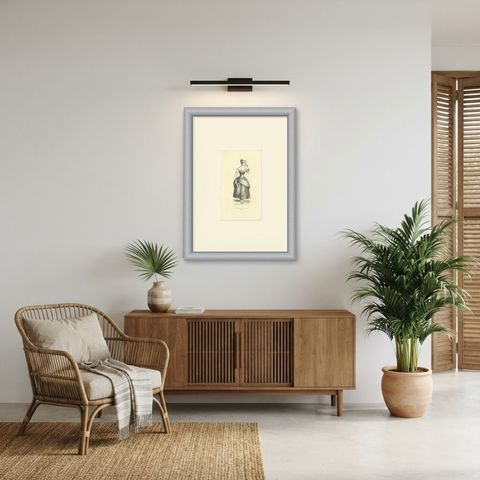
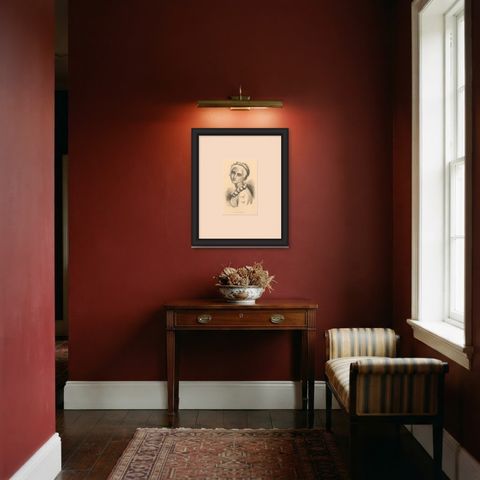
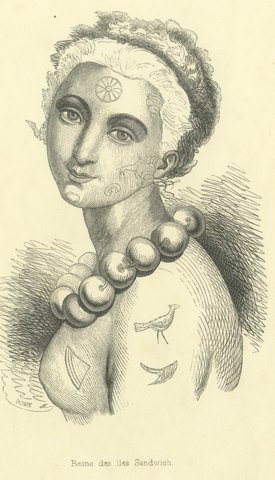
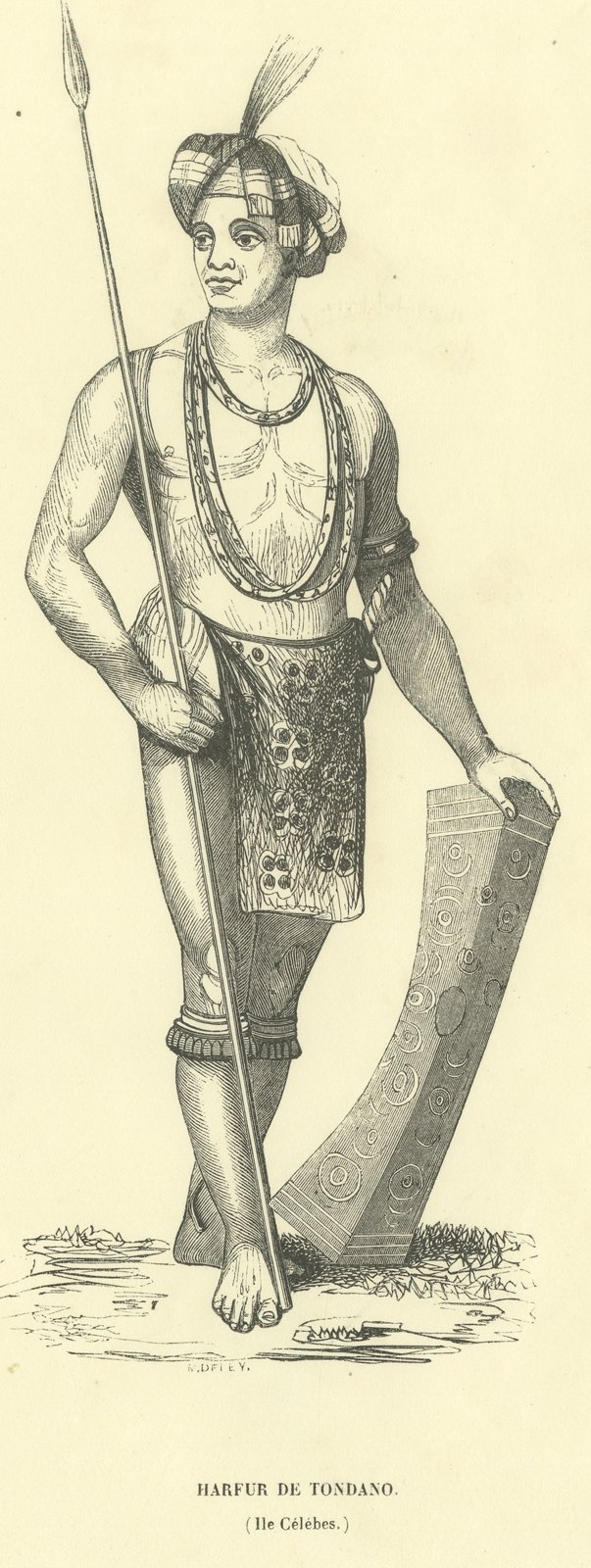
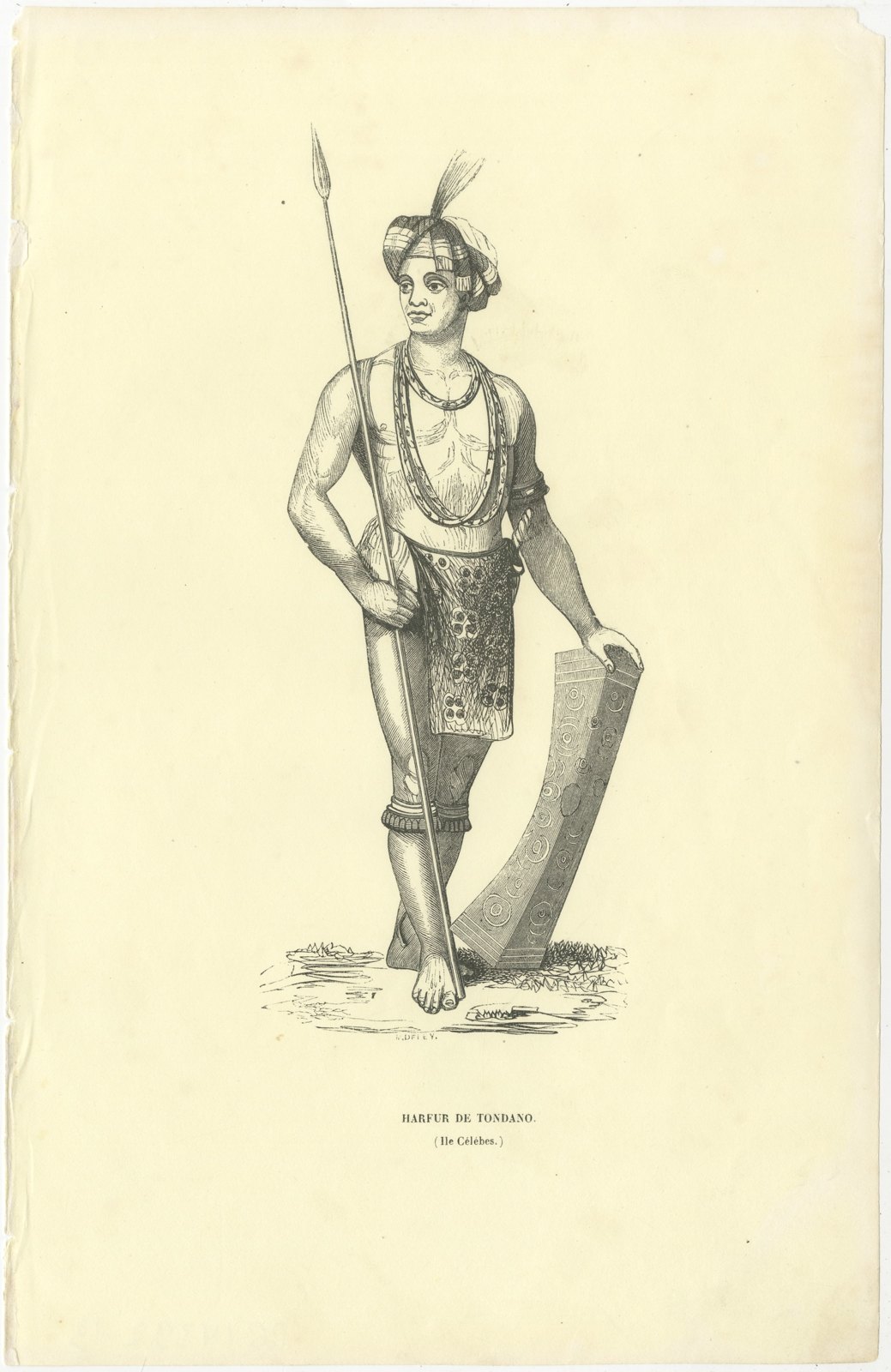
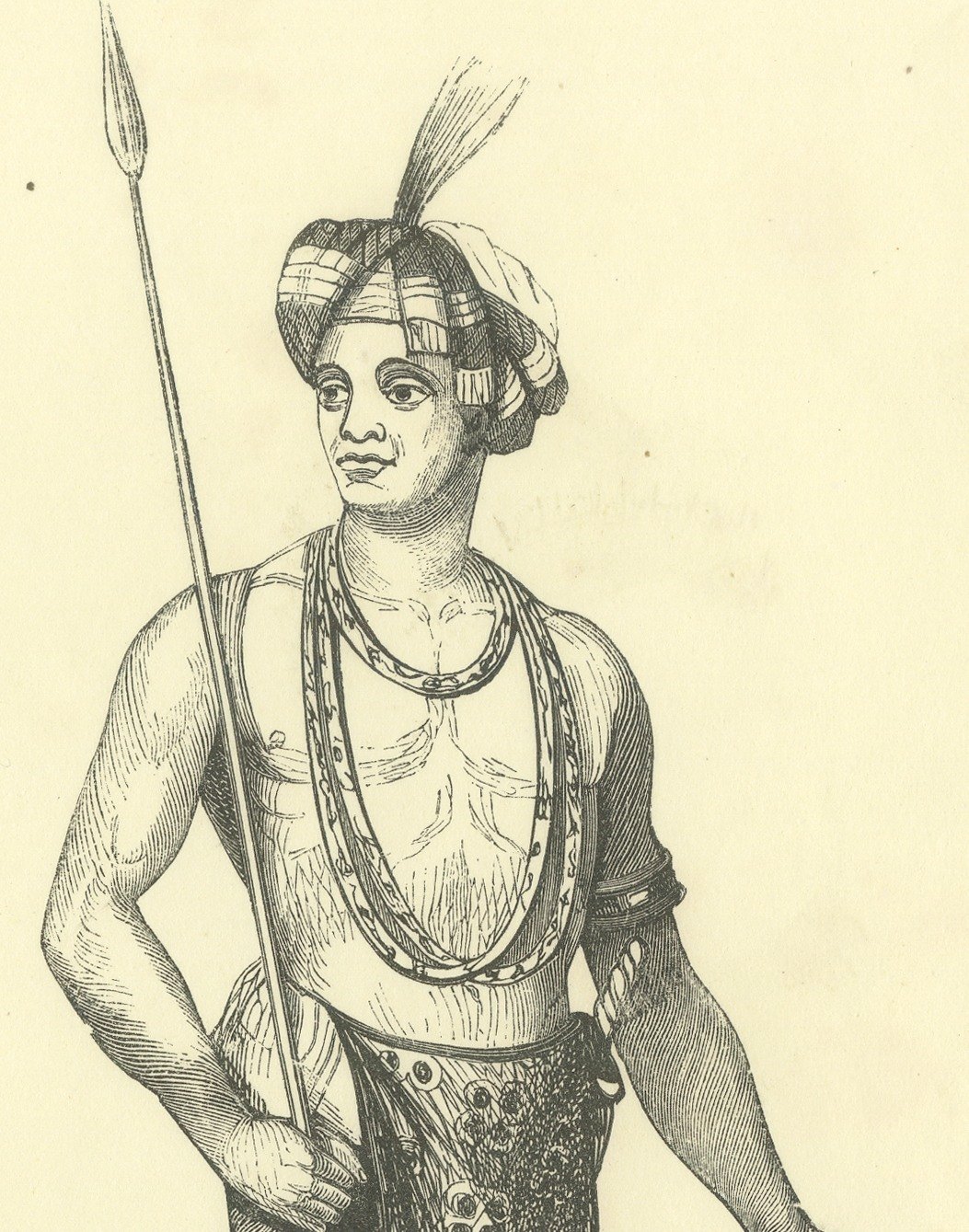
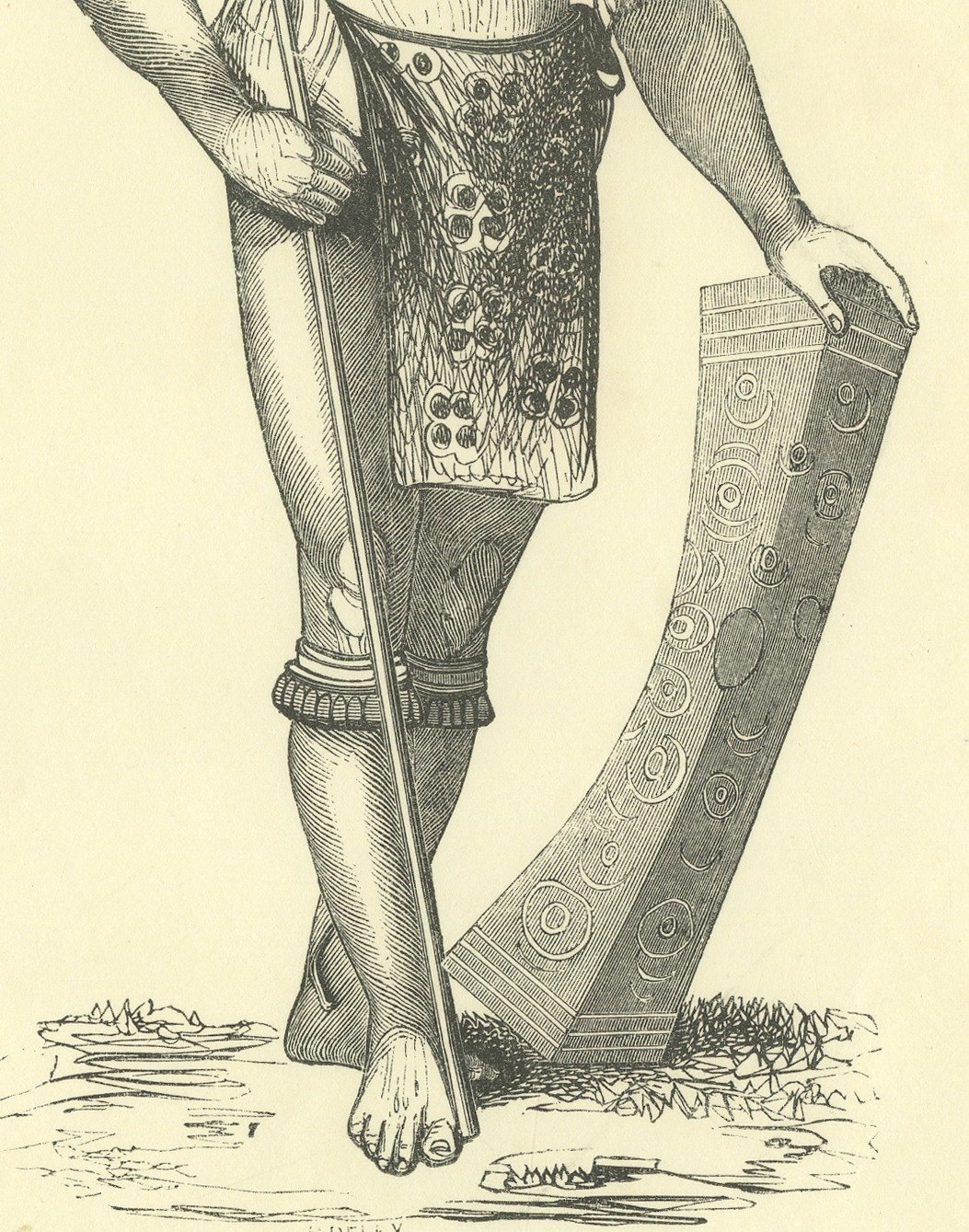
An original antique wood engraving of a Harfur of Tondano, an ethnographic costume print from Auguste Wahlen's Moeurs, usages et costumes de tous les peuples du monde, published in Brussels between 1843 and 1844. The plate is lettered “Harfur de Tondano”. Tondano lies in the highlands of the Minahasa district in the north of Sulawesi, in what was then the Dutch East Indies, and the town and its lake were a center of the inland population of that peninsula. Harfur is a nineteenth century French rendering of Alfur, or Alifuru, a loose term that European writers of the period applied to inland and upland peoples of the eastern part of the archipelago rather than to a single defined group, so the caption is probably best read as a general designation of that kind. Wahlen's compilers drew their account of the region from Dutch and French travel narratives then in circulation.
Moeurs, usages et costumes de tous les peuples du monde was published in Brussels by Auguste Wahlen at the Librairie Historique-Artistique between 1843 and 1844. The four volumes set out to describe the dress, customs, occupations and social divisions of the peoples of Europe, Asia, Africa, the Americas and Oceania, drawing on travel narratives, earlier costume books and other sources then treated as authoritative, and they carried approximately one hundred and ninety to two hundred plates, the count varying between copies and editions.
Wahlen was the publisher and compiler rather than the artist; where a name such as Duverger, Pannemaker, Mercier, Lisbet, Markaert or Vermorcken appears on a sheet it belongs to the illustrator or the engraver, and no artist is attributed here without one.
The plates are wood engravings on paper. The images should be read as a nineteenth century European interpretation of the cultures they show rather than as a documentary record, which is a large part of what makes the series interesting to historians of the period. This impression is uncolored. A costume print of this kind is valued today less for its accuracy than for what it records of how European readers of the eighteen forties were taught to picture the peoples of insular Southeast Asia, and Tondano and Sulawesi subjects from the series are less often met with than the Pacific plates. The sheet suits a study, a library wall or a hallway, and Wahlen plates hang well in groups, so this ethnographic print sits naturally beside other sheets from the same volumes on Indonesian or wider Asian subjects.
The sheet is in good condition for its age, with small chips and fraying at the edges; the image itself is clean and well printed.
This is an original antique print, not a modern reproduction. This item is sold unframed.