 The sheet, as you receive it
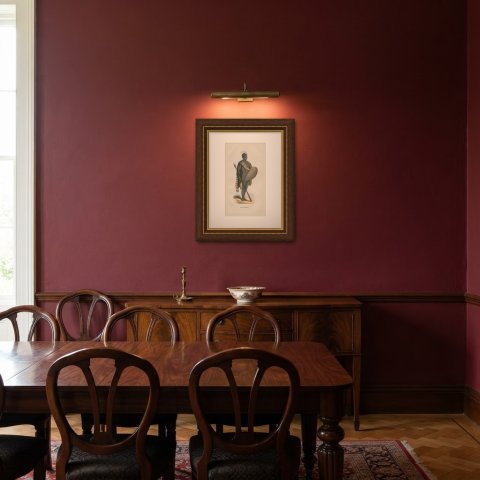
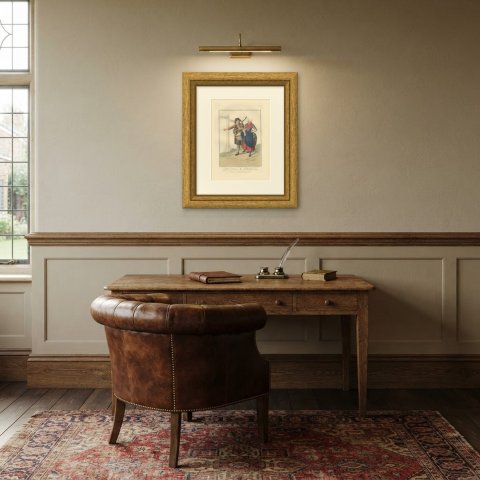
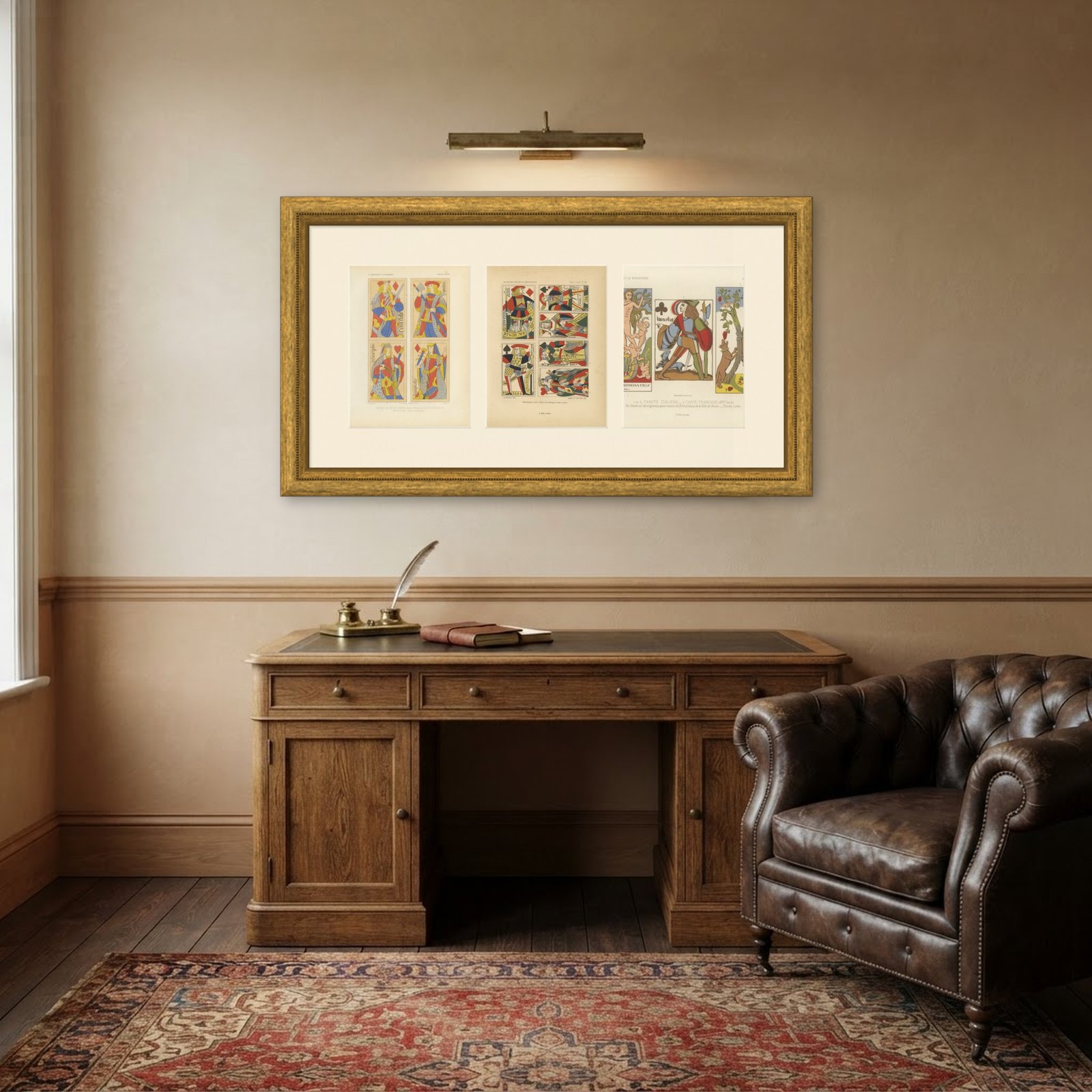 In the room 1
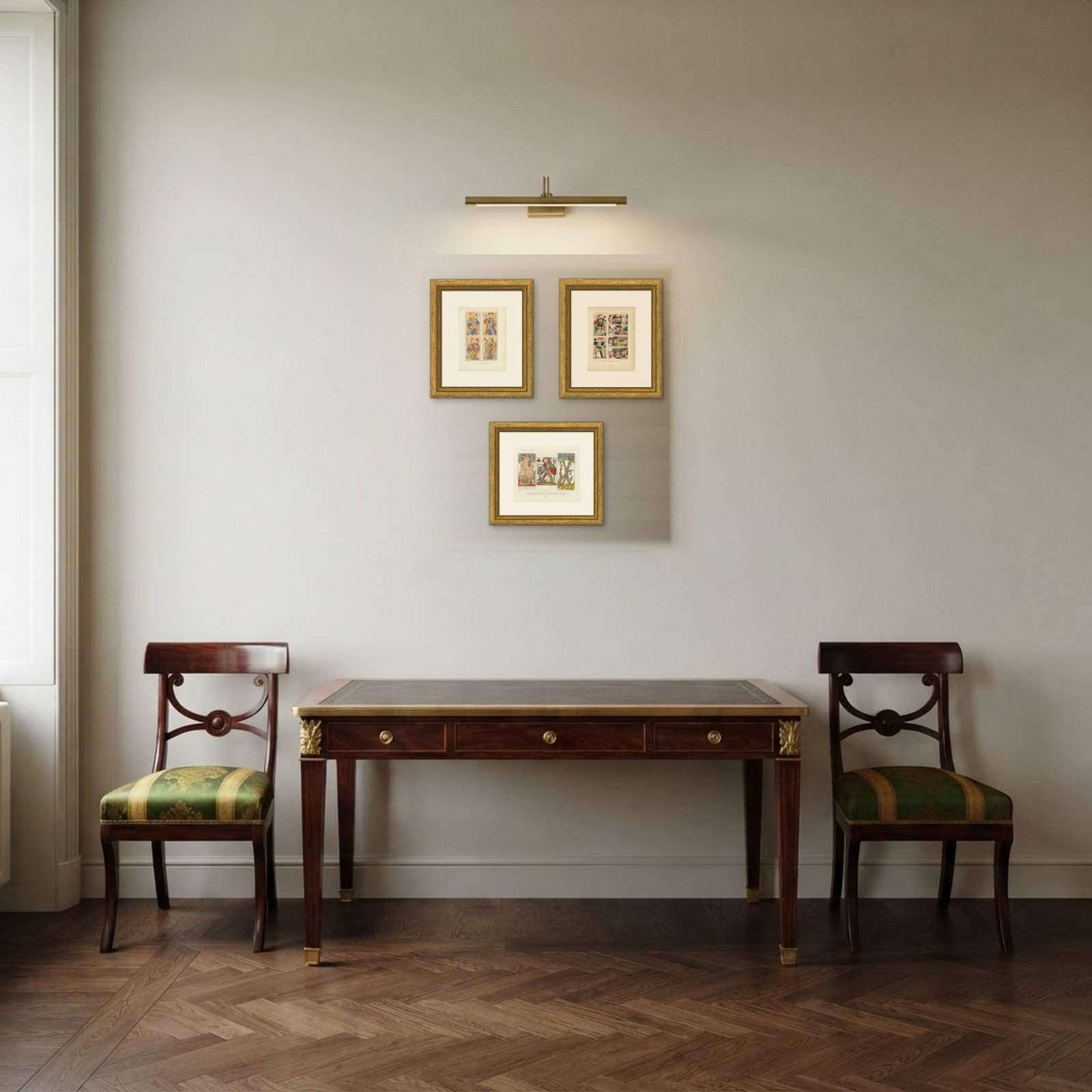
Interior designers: BarTrade members buy at their trade price. How it works
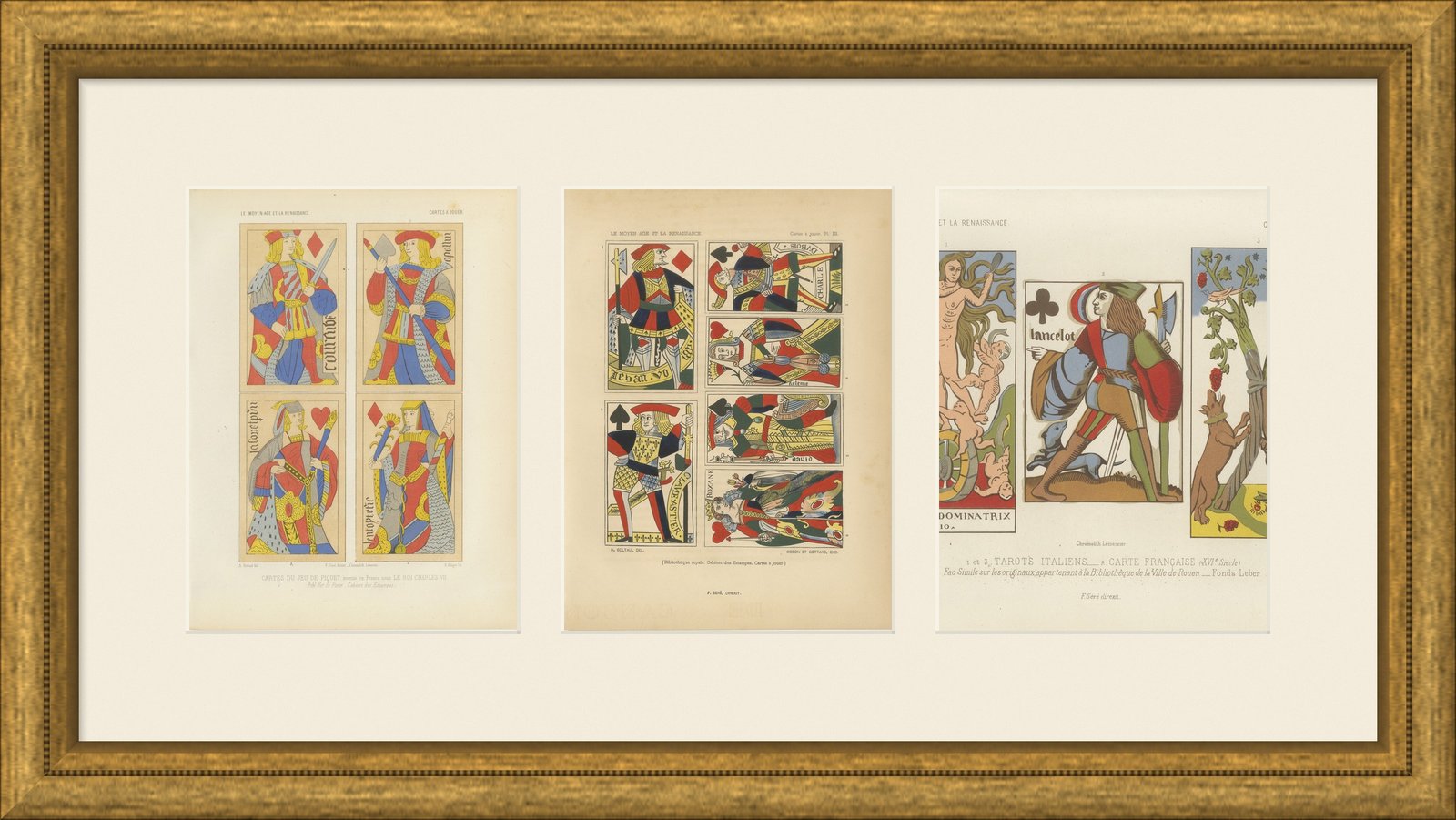
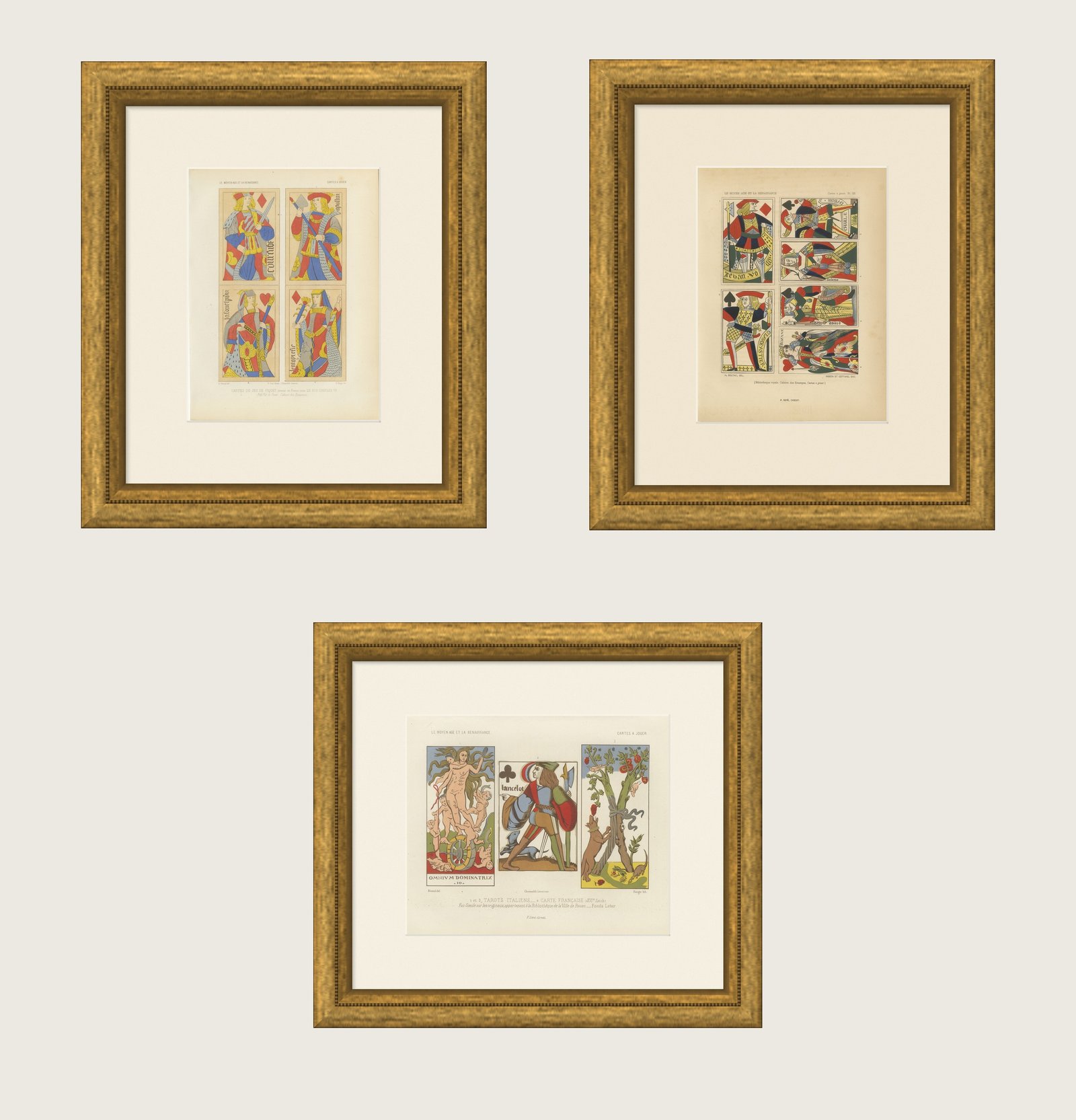
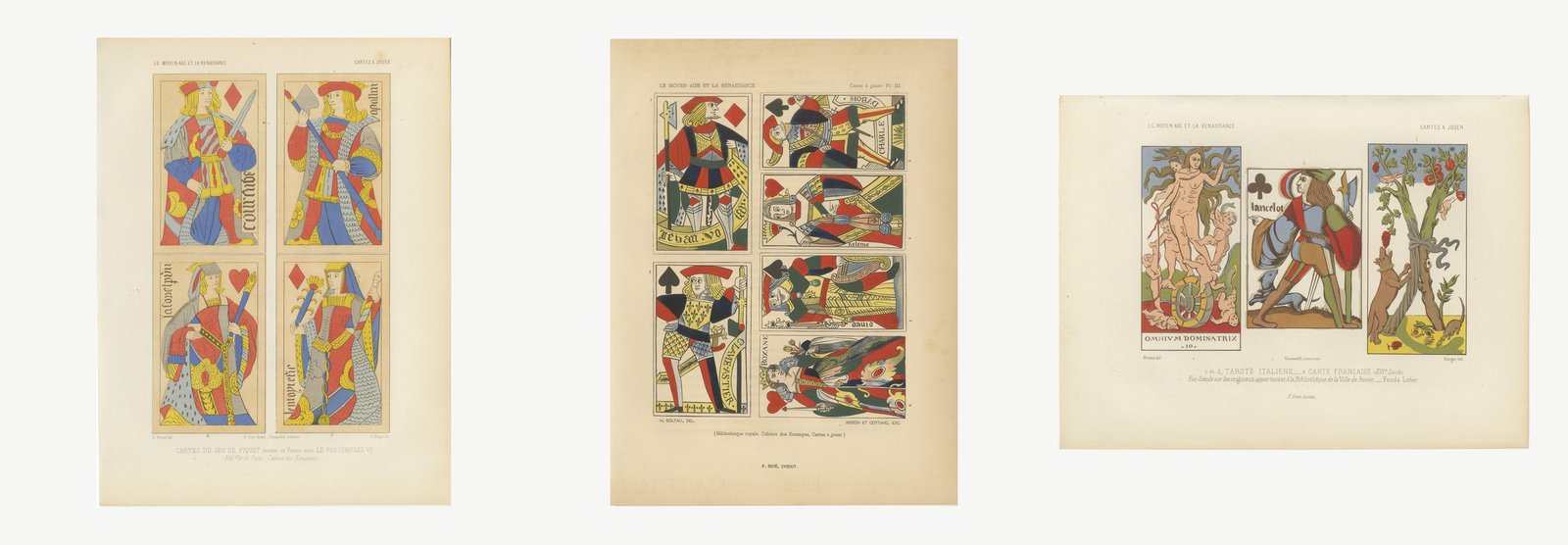
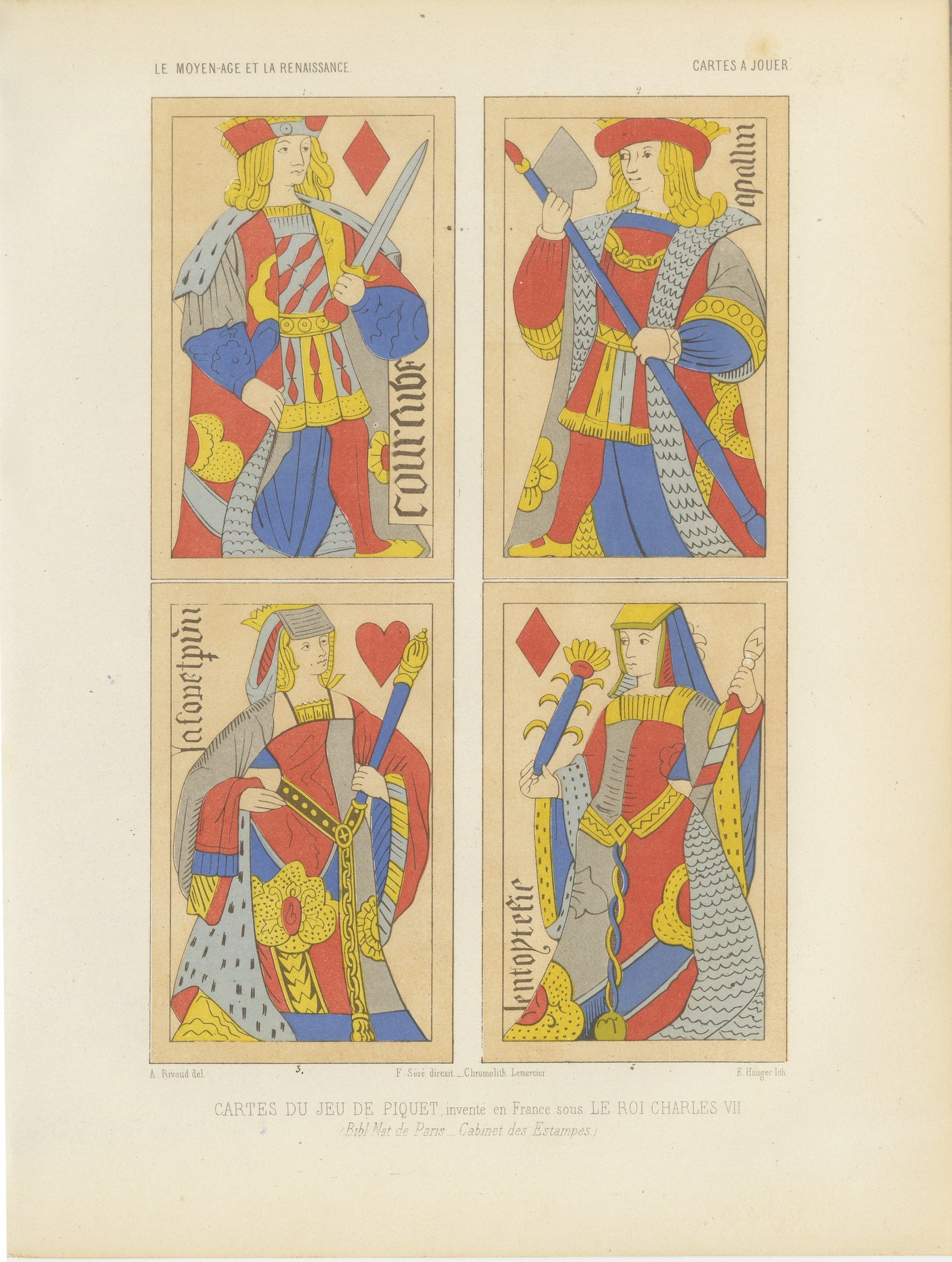
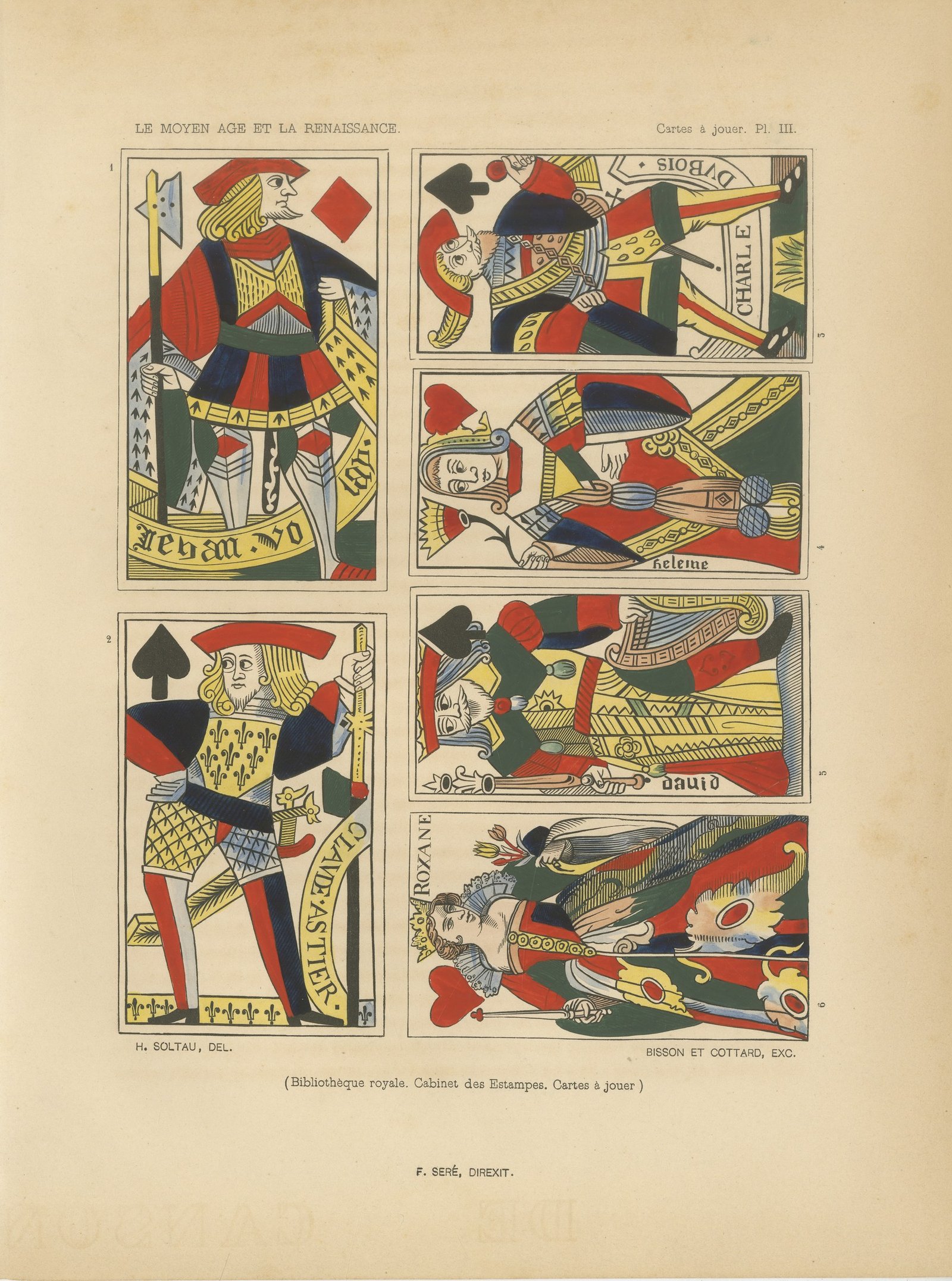
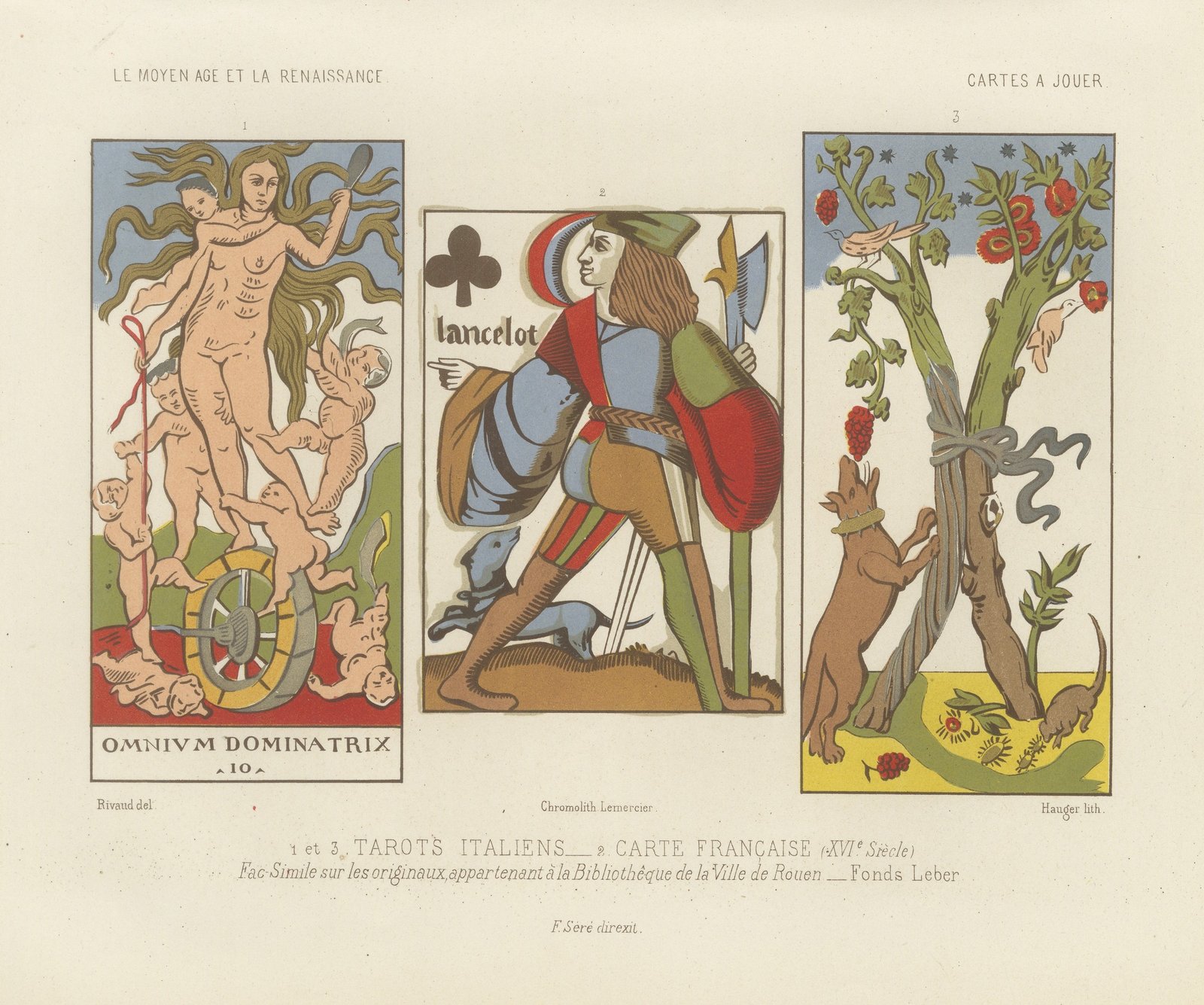
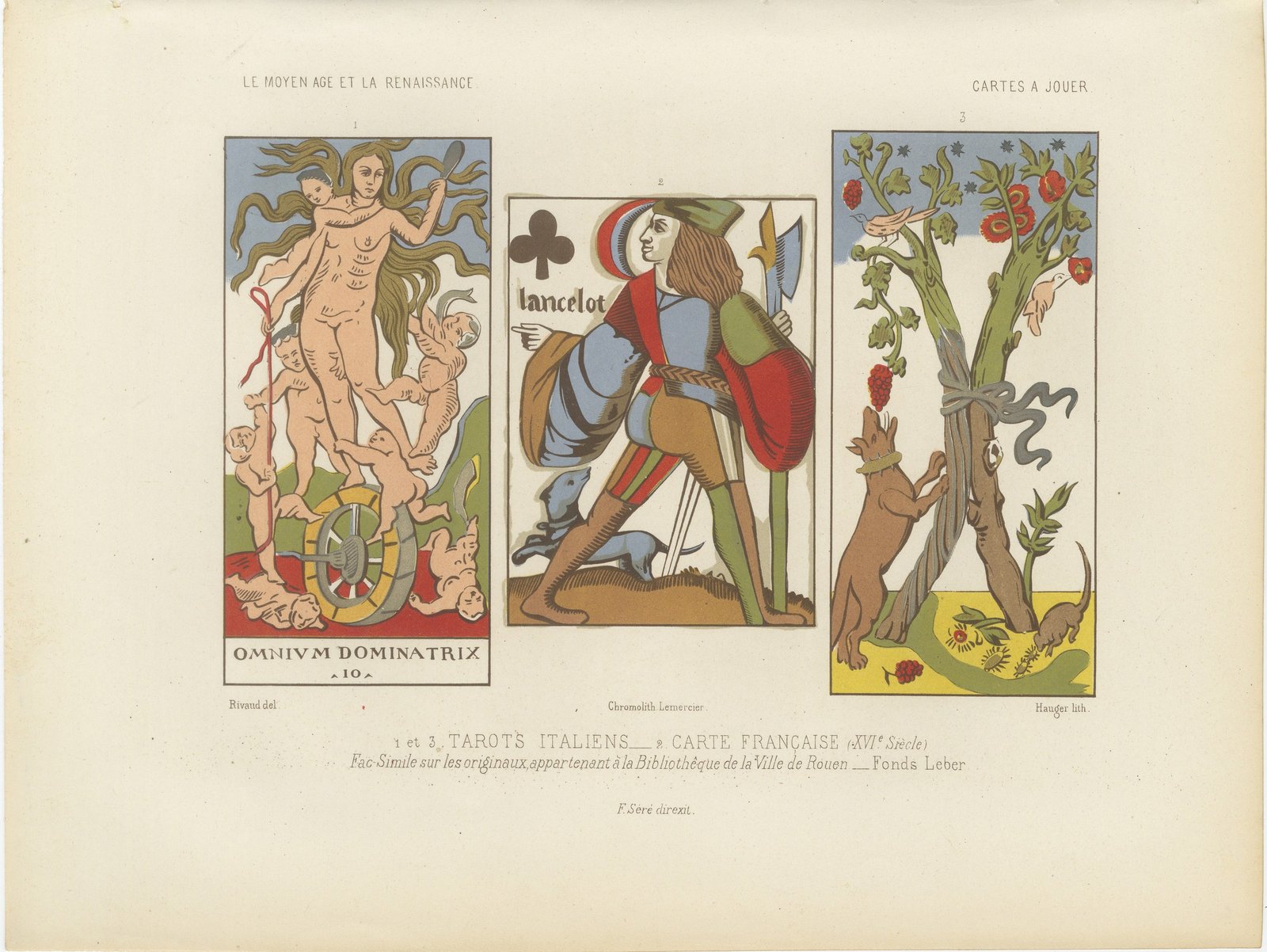
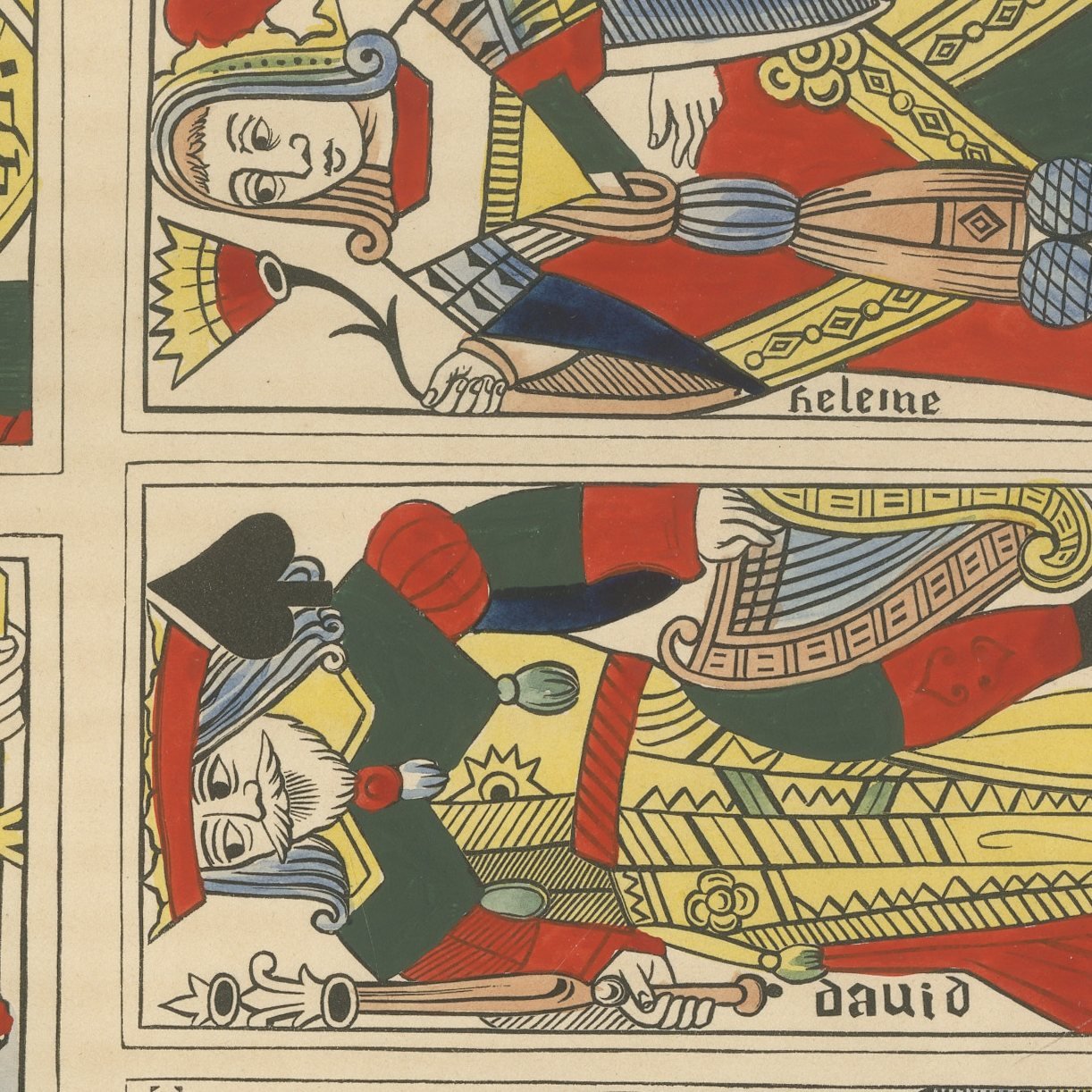
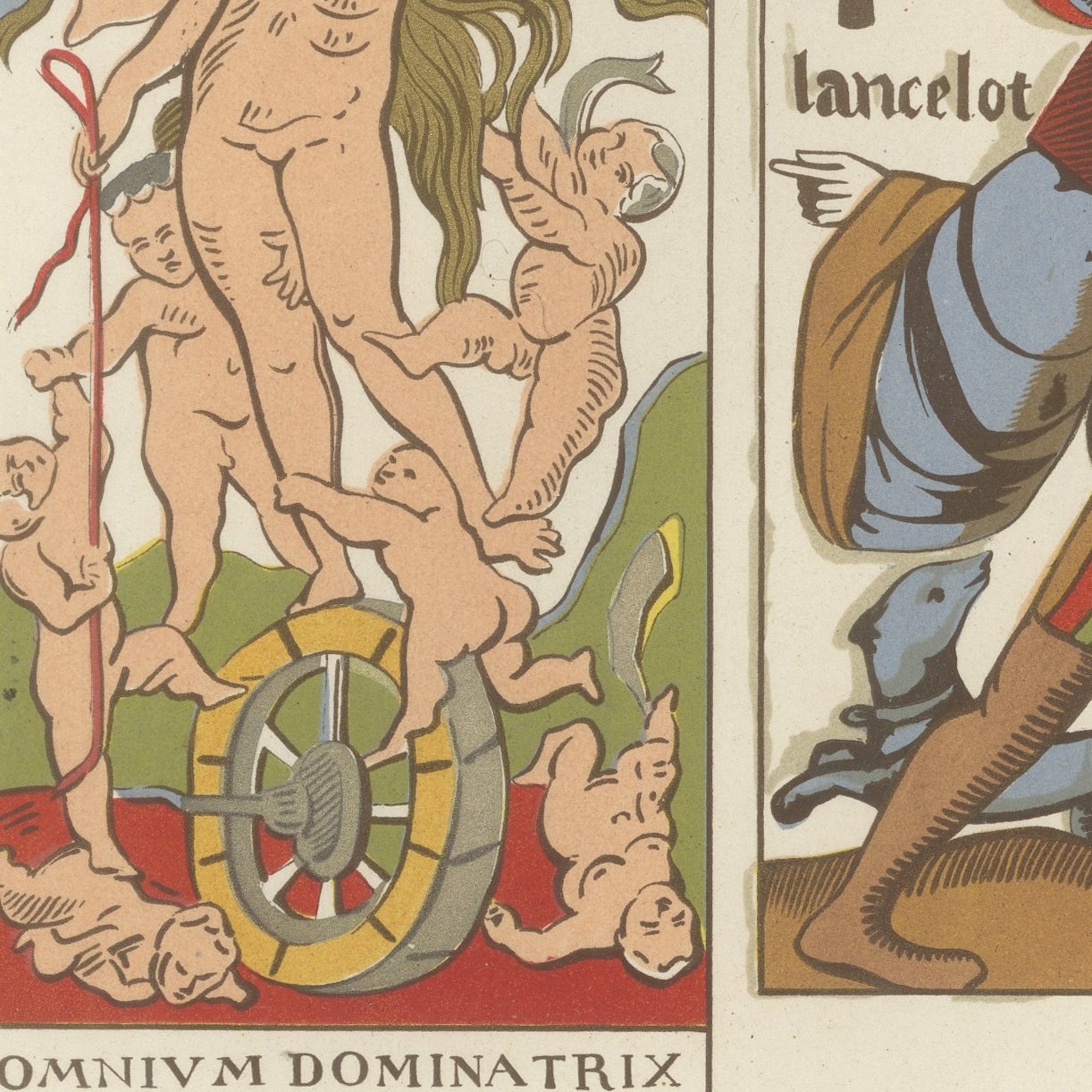
A set of three original antique chromolithographs of early European playing cards, sold together and not separately. They are the Cartes a Jouer plates of Lacroix and Sere's Le Moyen Age et la Renaissance, Paris, 1849, copied from originals in the Cabinet des Estampes of the Bibliotheque nationale in Paris and in the Leber collection in the library at Rouen. Between them they cover the French and the Italian traditions: the court cards of piquet with their named kings and queens, six cards from the royal library, and two Italian tarots with a French card of the sixteenth century. They are three original sheets sold together as one lot, and the set is never split.
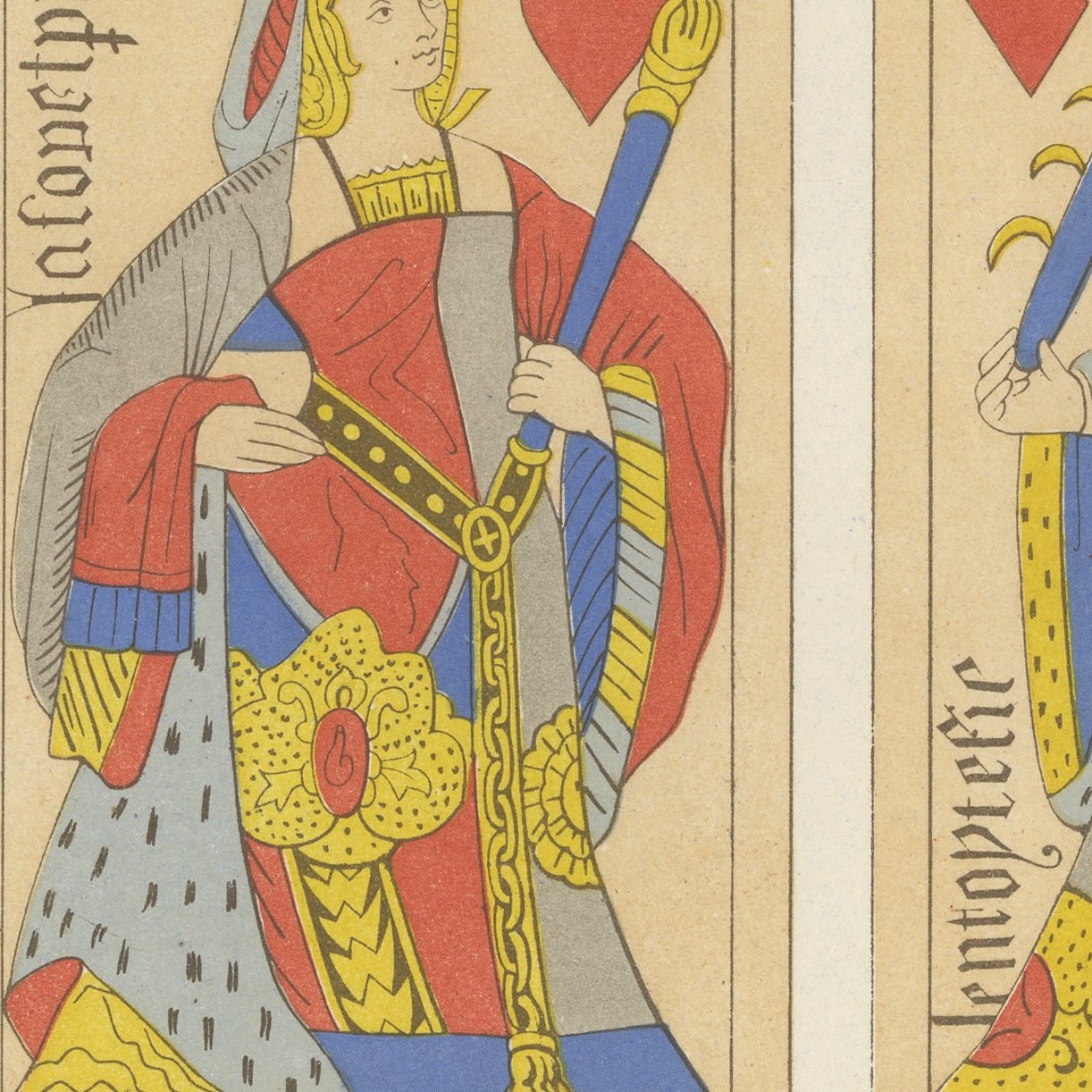
The first sheet gives four cards of the game of piquet, lettered as invented in France under King Charles the Seventh and taken from the Cabinet des Estampes of the Bibliotheque nationale: two kings and two queens, named Charlemagne, Lancelot, Judith and Argine, printed in the flat red, blue and yellow of the old French card makers. The second shows six cards from the royal library's own collection, among them a king of diamonds, a knave lettered Lahire and a card bearing the name Rolant, with the fleur de lis repeated along the base of the king's throne. The third carries two Italian tarots and a French card of the sixteenth century, copied from originals in the Leber collection at Rouen: one of the tarots is the wheel of fortune, lettered OMNIVM DOMINATRIX and numbered 10, with figures tumbling from the rim.
This is one of the chromolithographic plates of Le Moyen Age et la Renaissance, second volume, Paris, 1849, edited by Paul Lacroix with Ferdinand Sere as artistic director. The work was among the first large French publications to rely on color lithography throughout, and its plates were drawn directly from manuscripts, textiles, armor and goldsmiths' work in the public collections of Paris, Brussels and the German cities. Playing card collecting is an old and well organized field with its own societies and literature, and early French and Italian cards are its core. The tarot sheet in particular, with its wheel of fortune lettered OMNIVM DOMINATRIX, reaches a much wider audience than card historians alone. The three sheets are the same size and format and were conceived as a run, so they hang as a group of three in a games room, a study or a hall.
Light uneven toning, browner towards the edges. Marked handling soiling along the edges of all three sheets. Light foxing in the margins of two of the three sheets. All corners complete on every sheet.
These are original antique prints, not modern reproductions. This item is sold unframed.