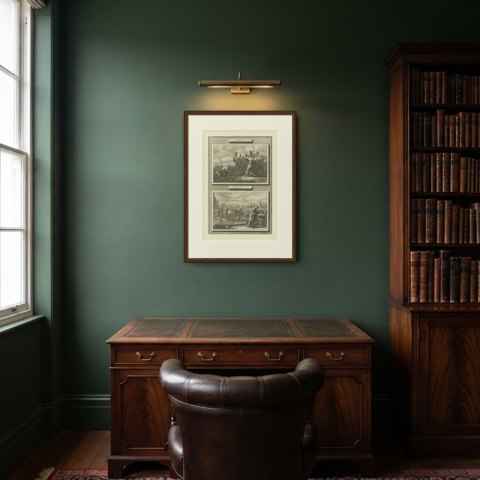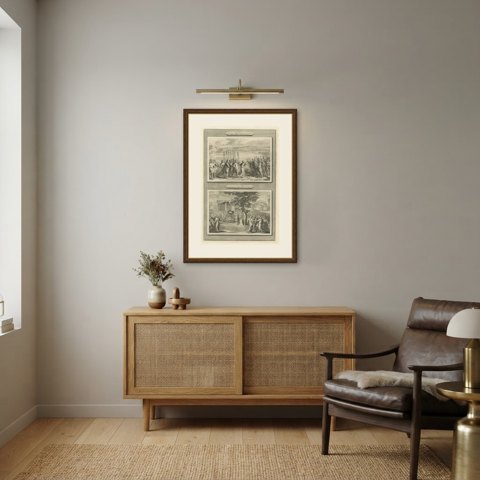
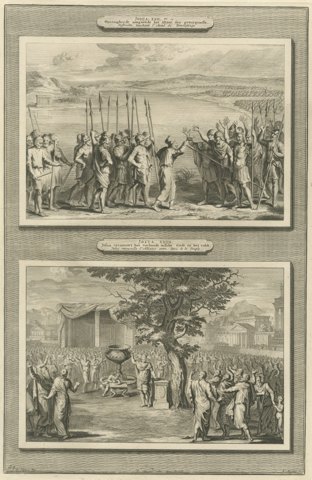
 The sheet, as you receive it
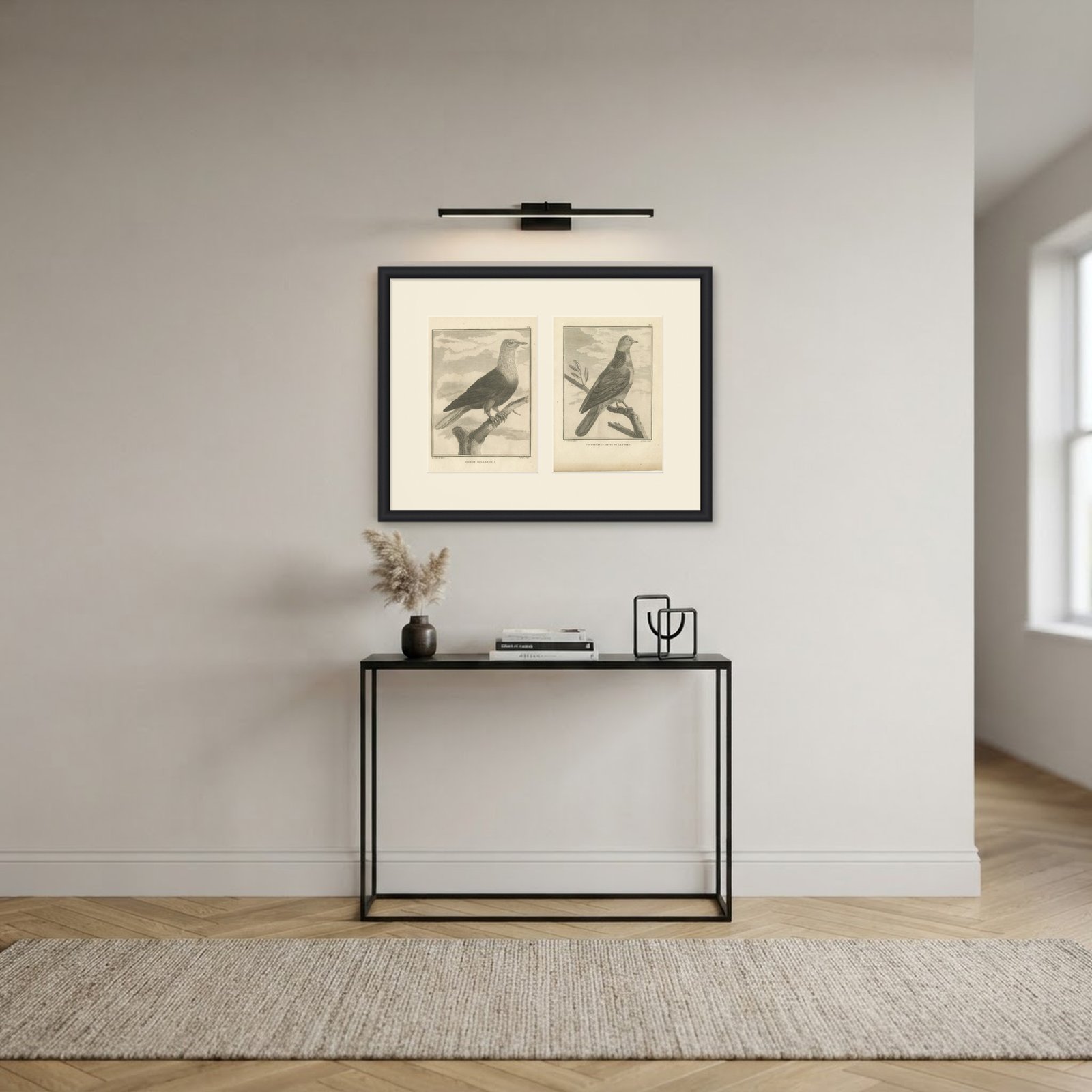 In the room 1

Interior designers: BarTrade members buy at their trade price. How it works
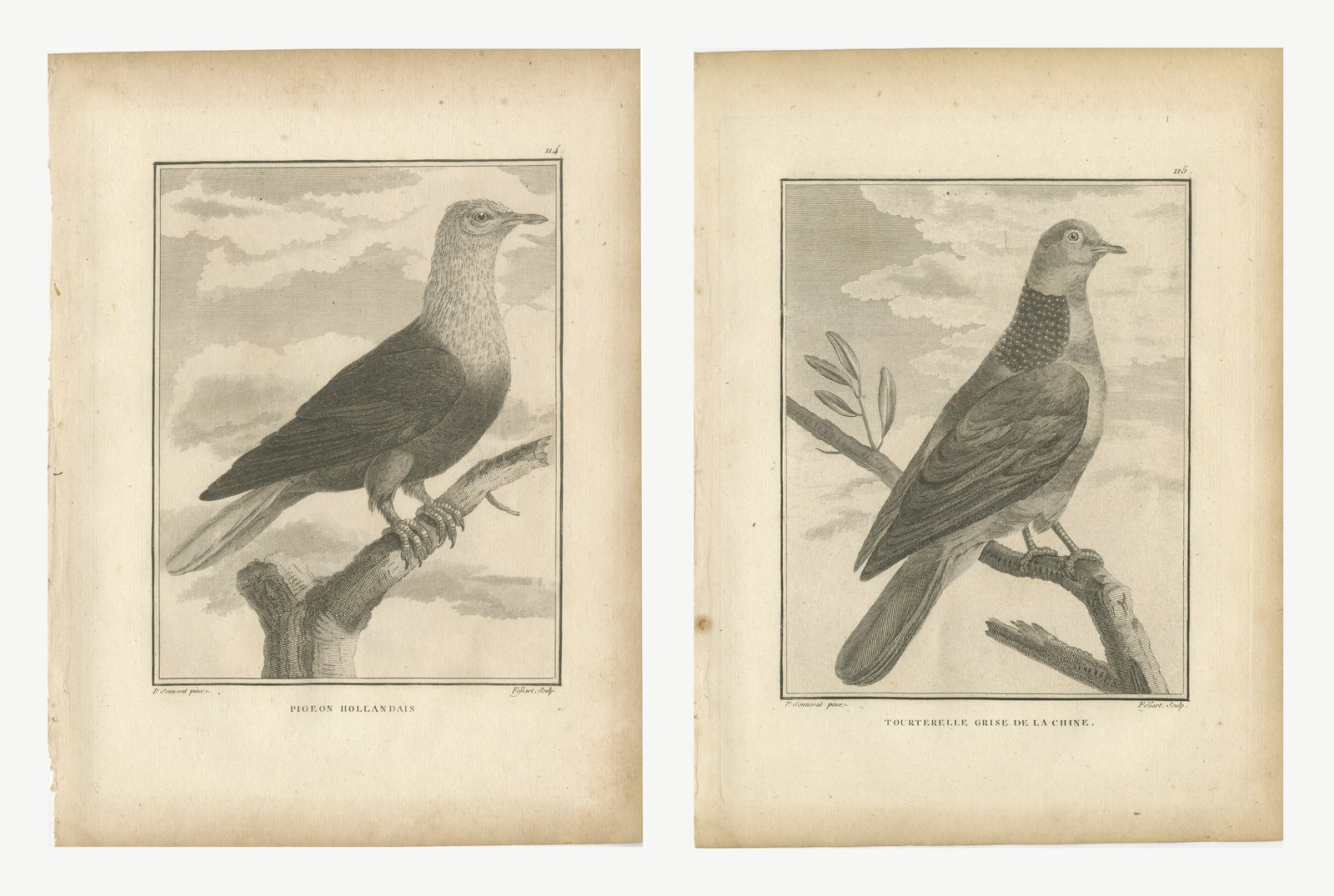
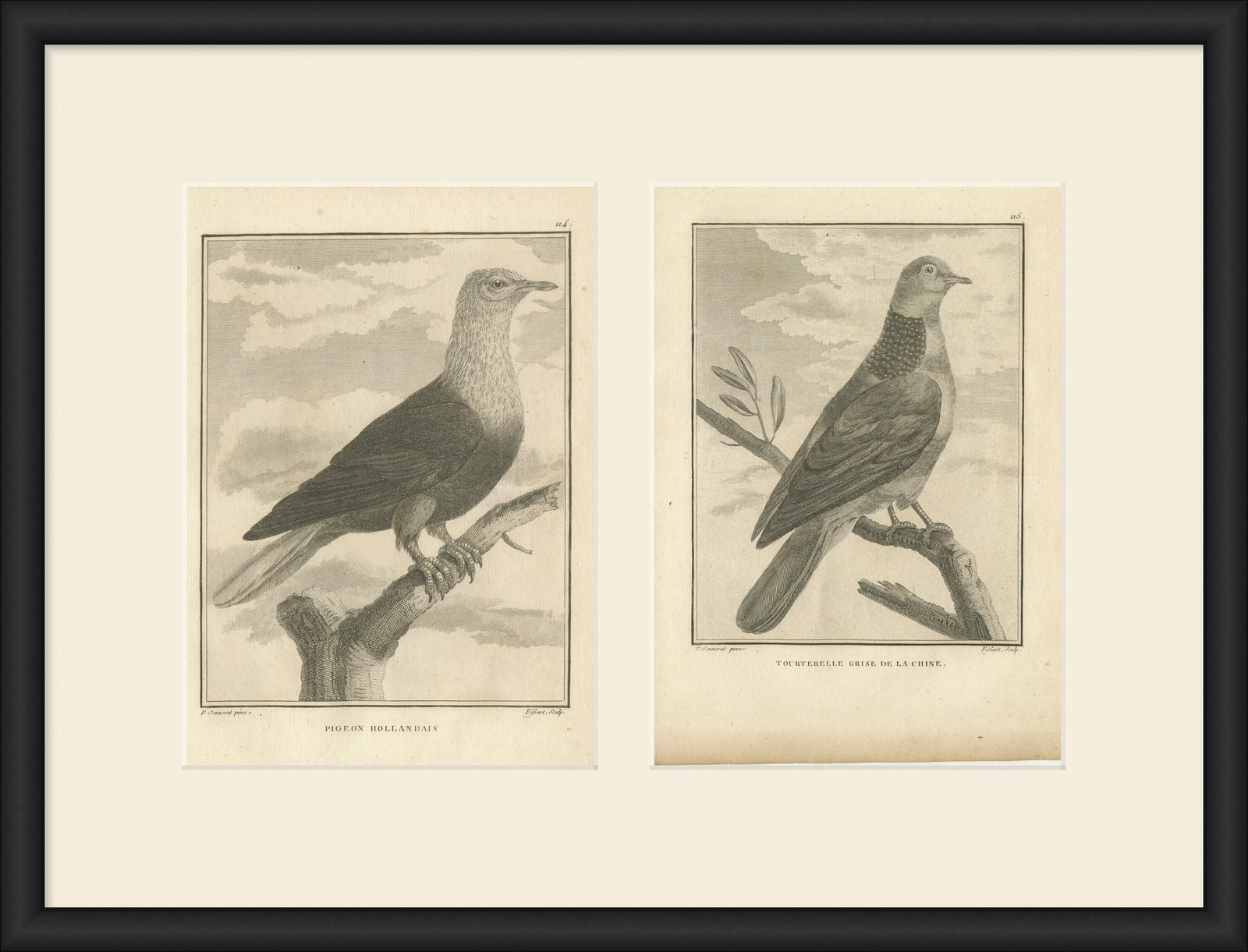
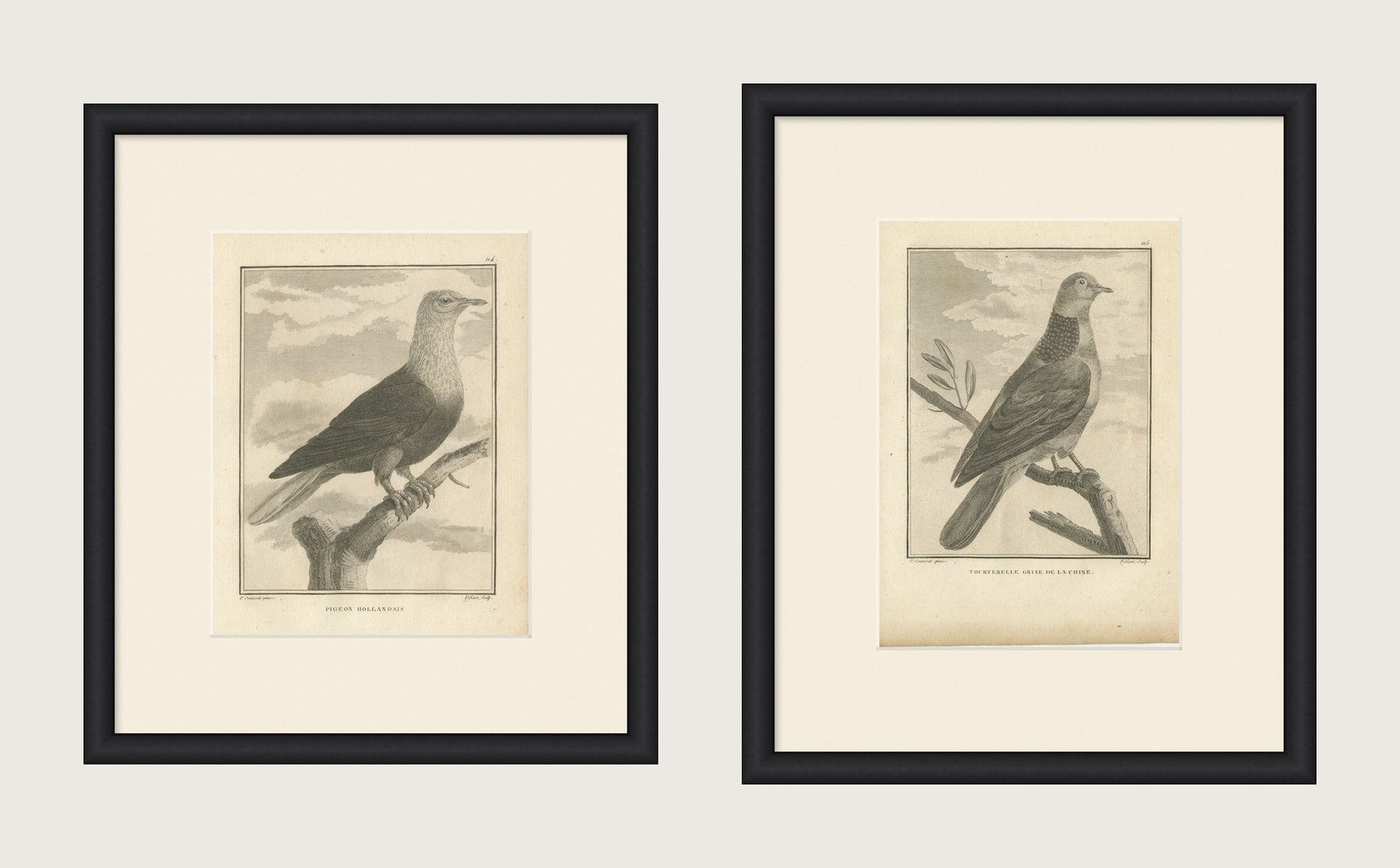
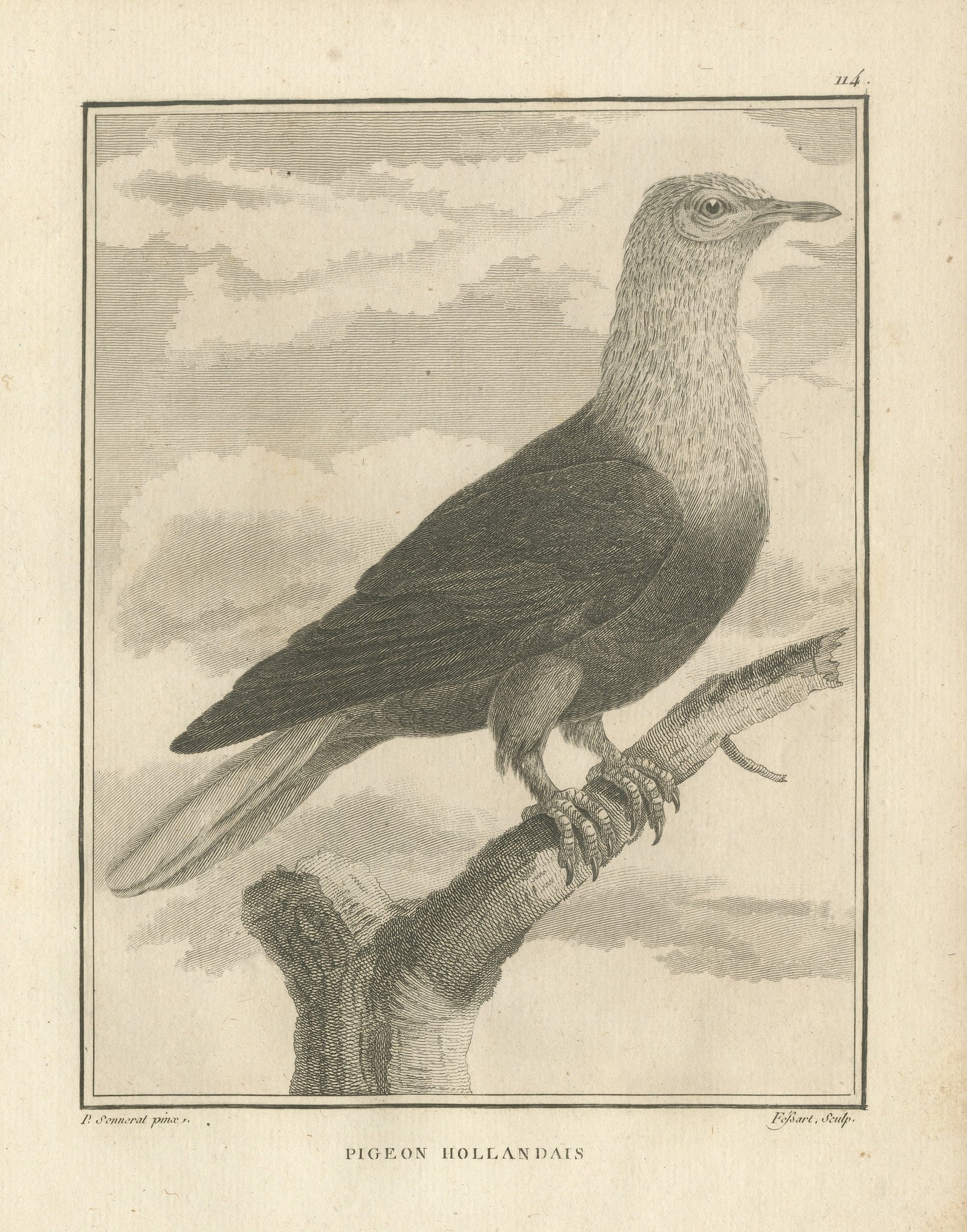
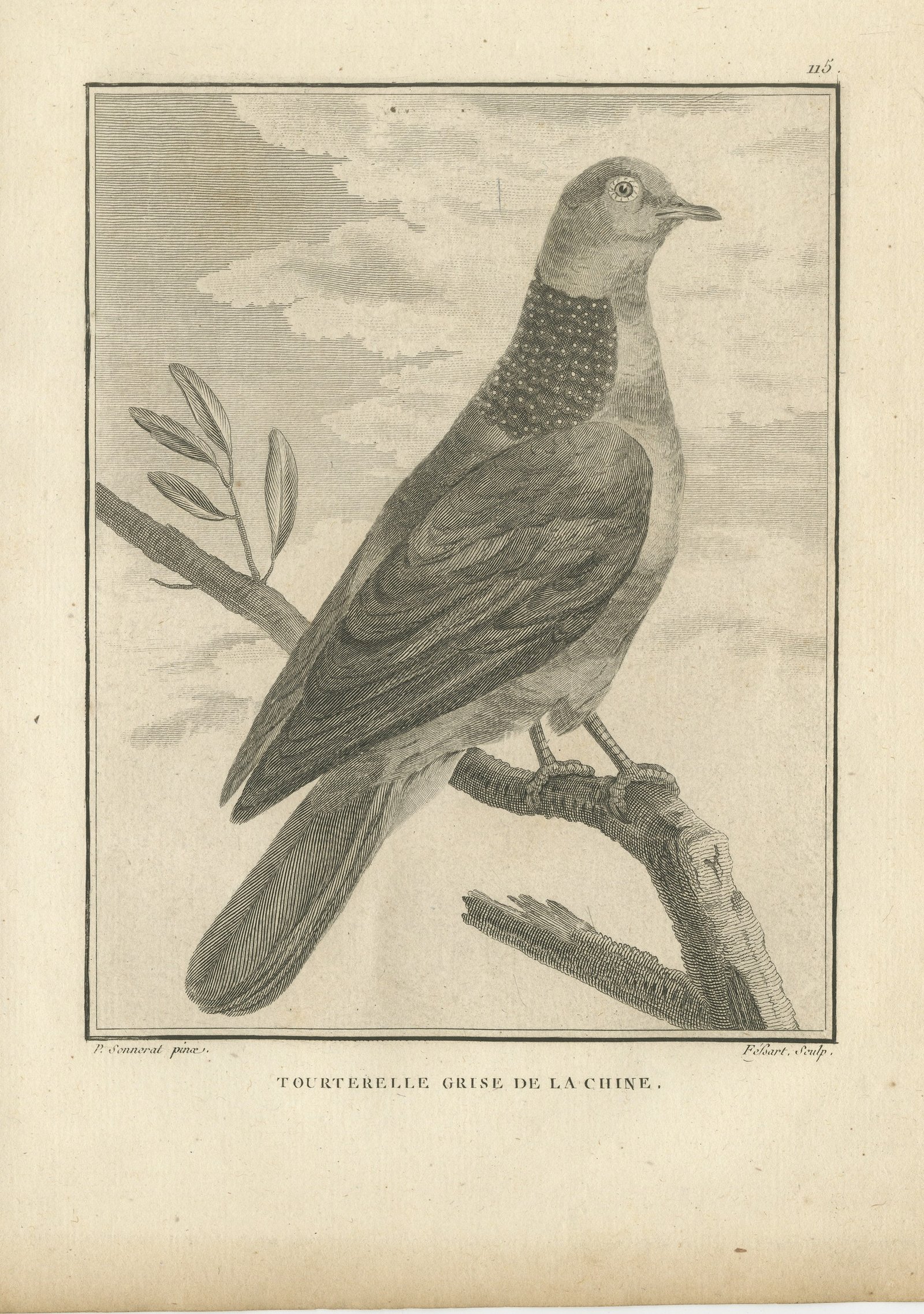
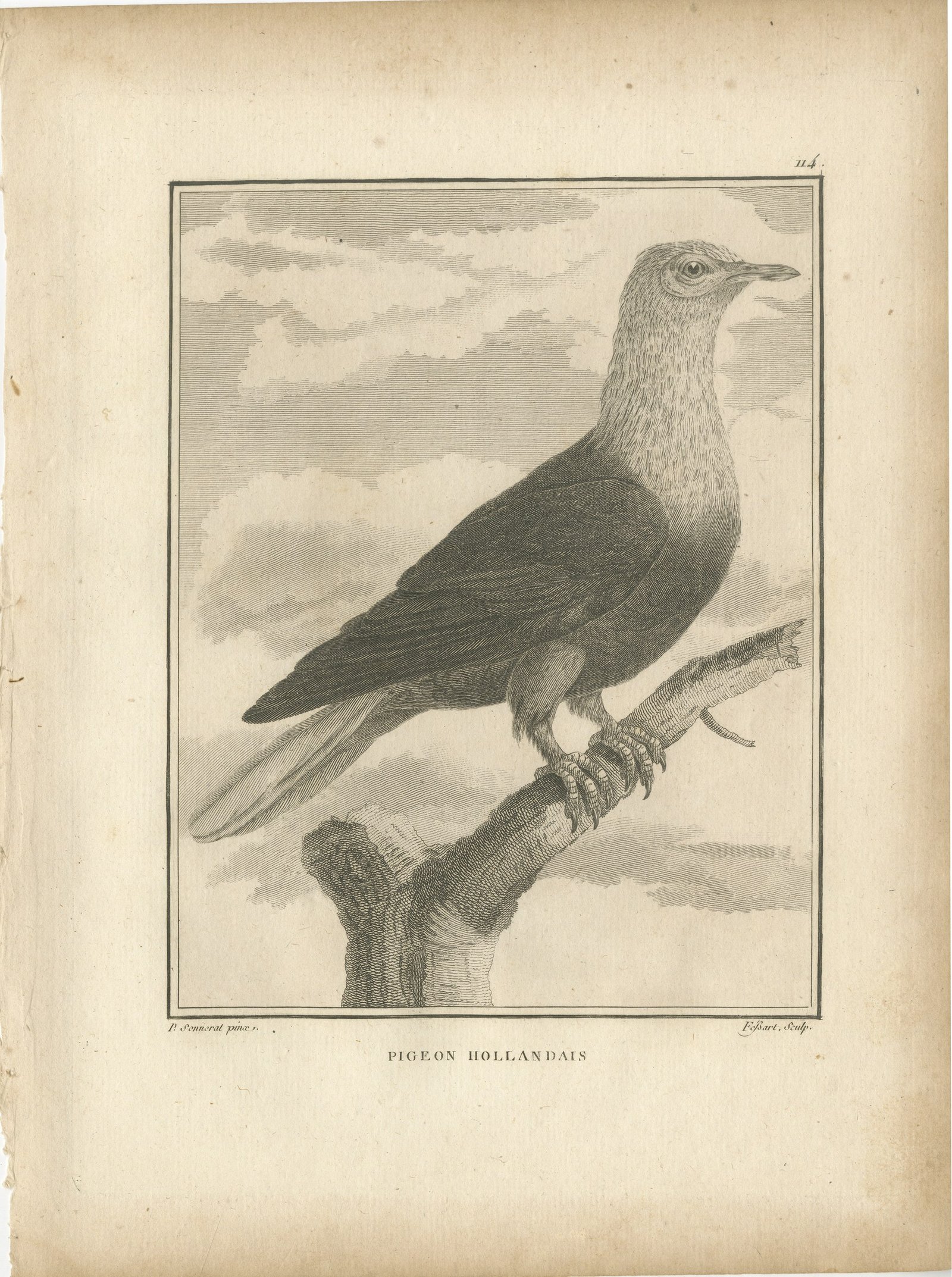
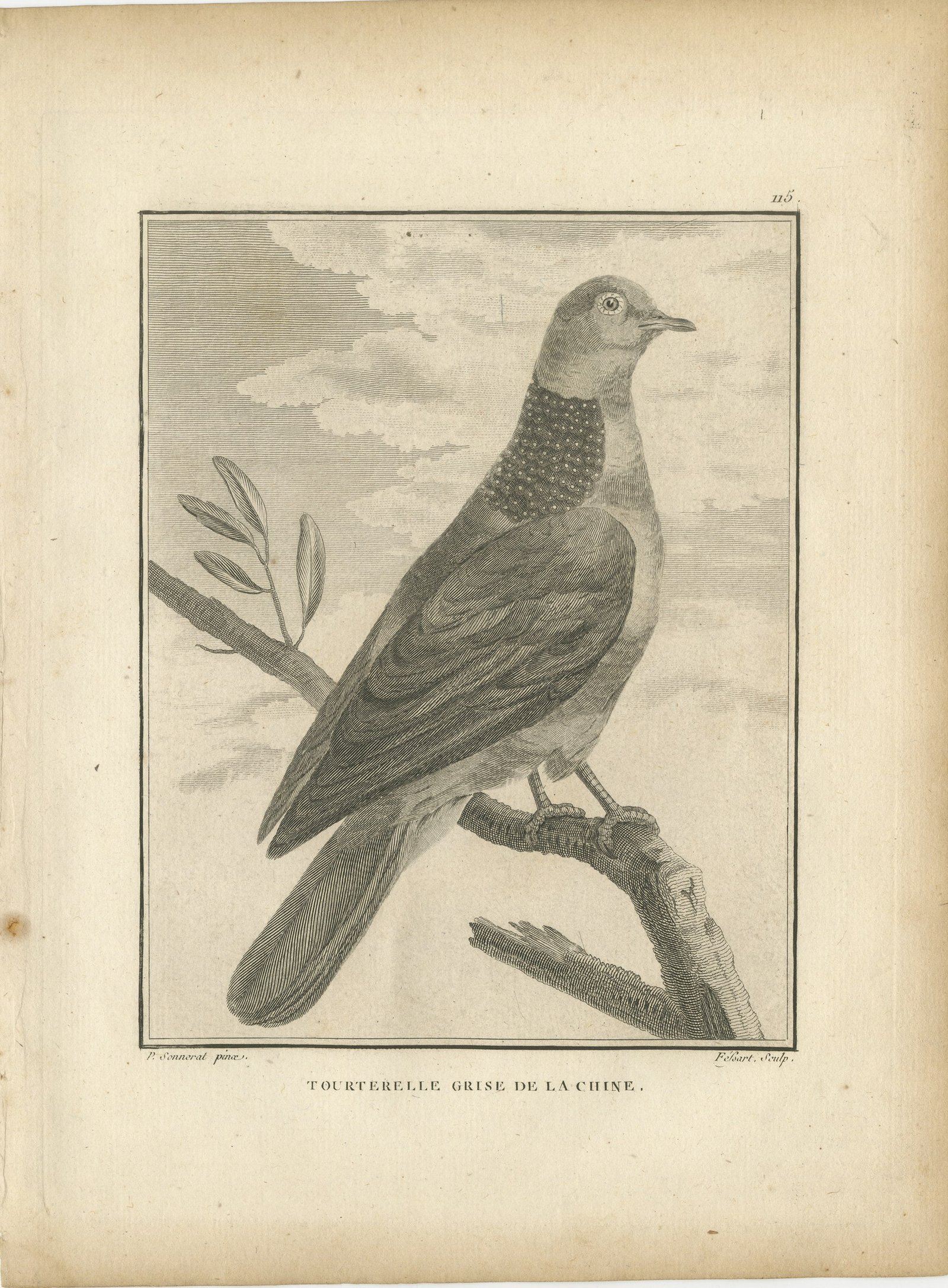
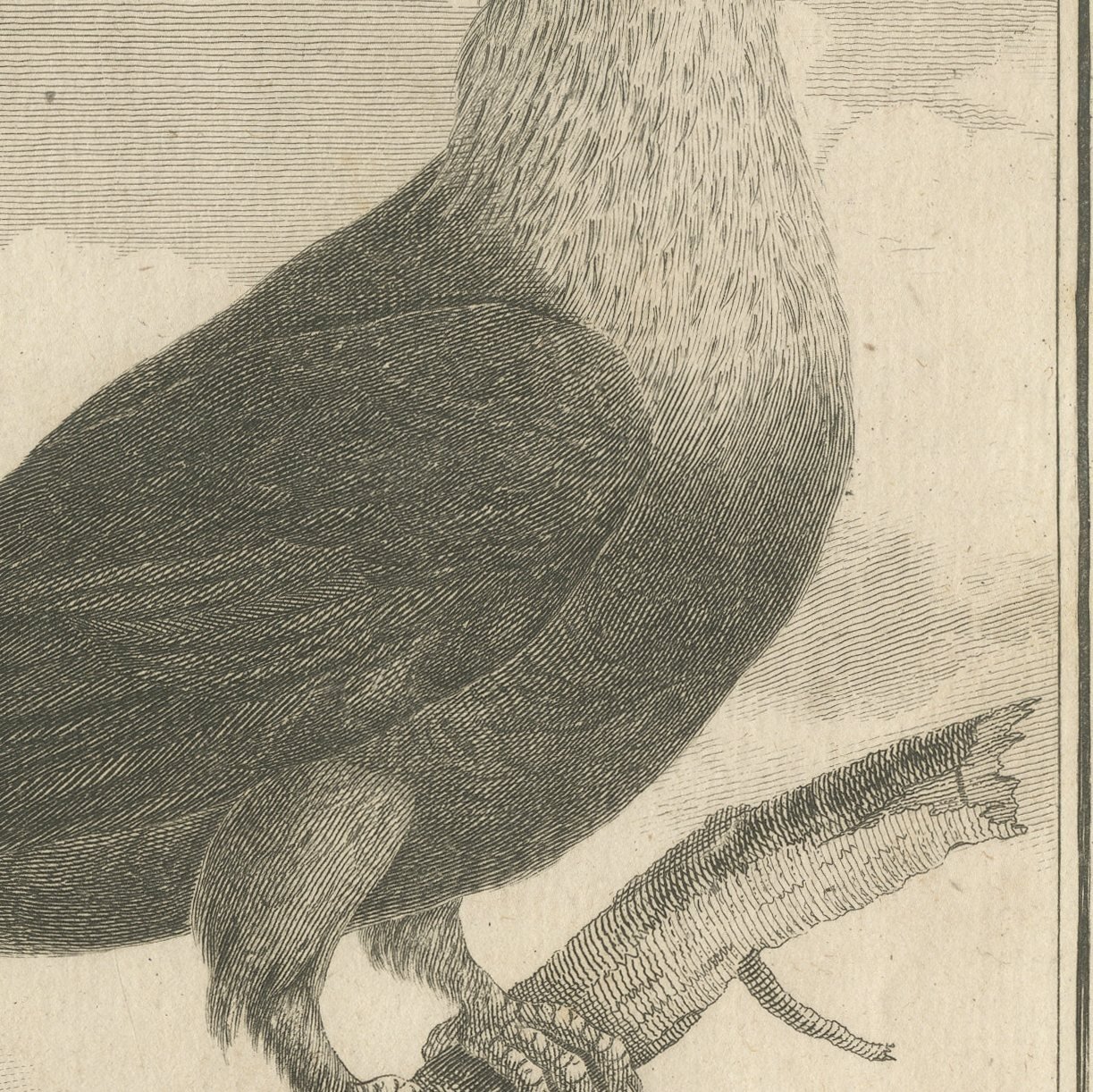
This set of two original antique copper engravings, Plates 114 and 115 from Sonnerat's Voyage aux Indes Orientales et a la Chine, is sold as one set. They are two original sheets sold together as one lot, and the set is never split. Plate 114 shows the pigeon called hollandais, standing in profile on the ground with its heavy body and short legs. Plate 115 shows a gray turtle dove of China standing in profile, the barred neck patch and long tail carefully drawn. Each sheet carries its engraved plate number at the upper right, the artist and engraver credits at the foot of the image and its caption lettered beneath.
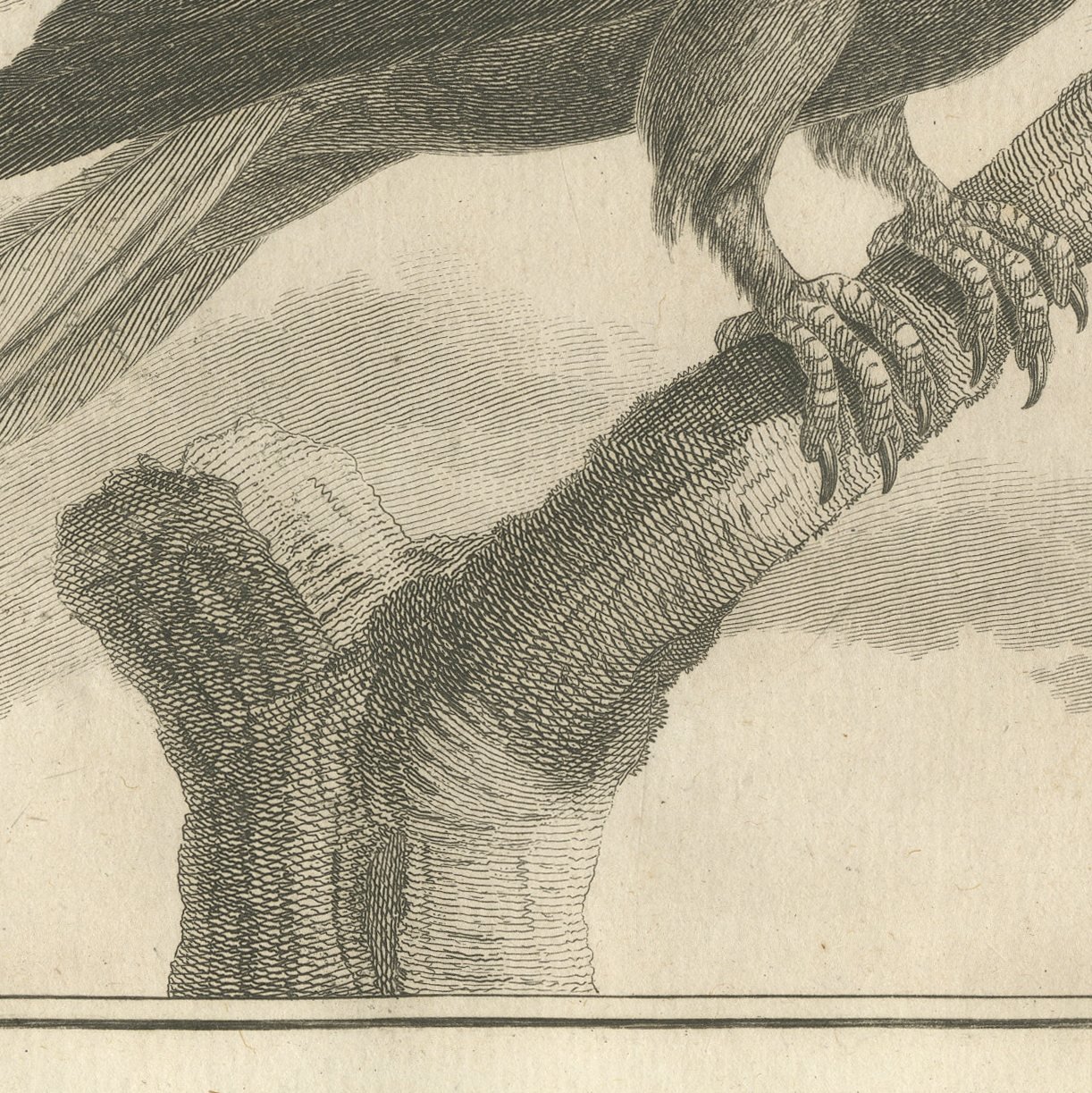
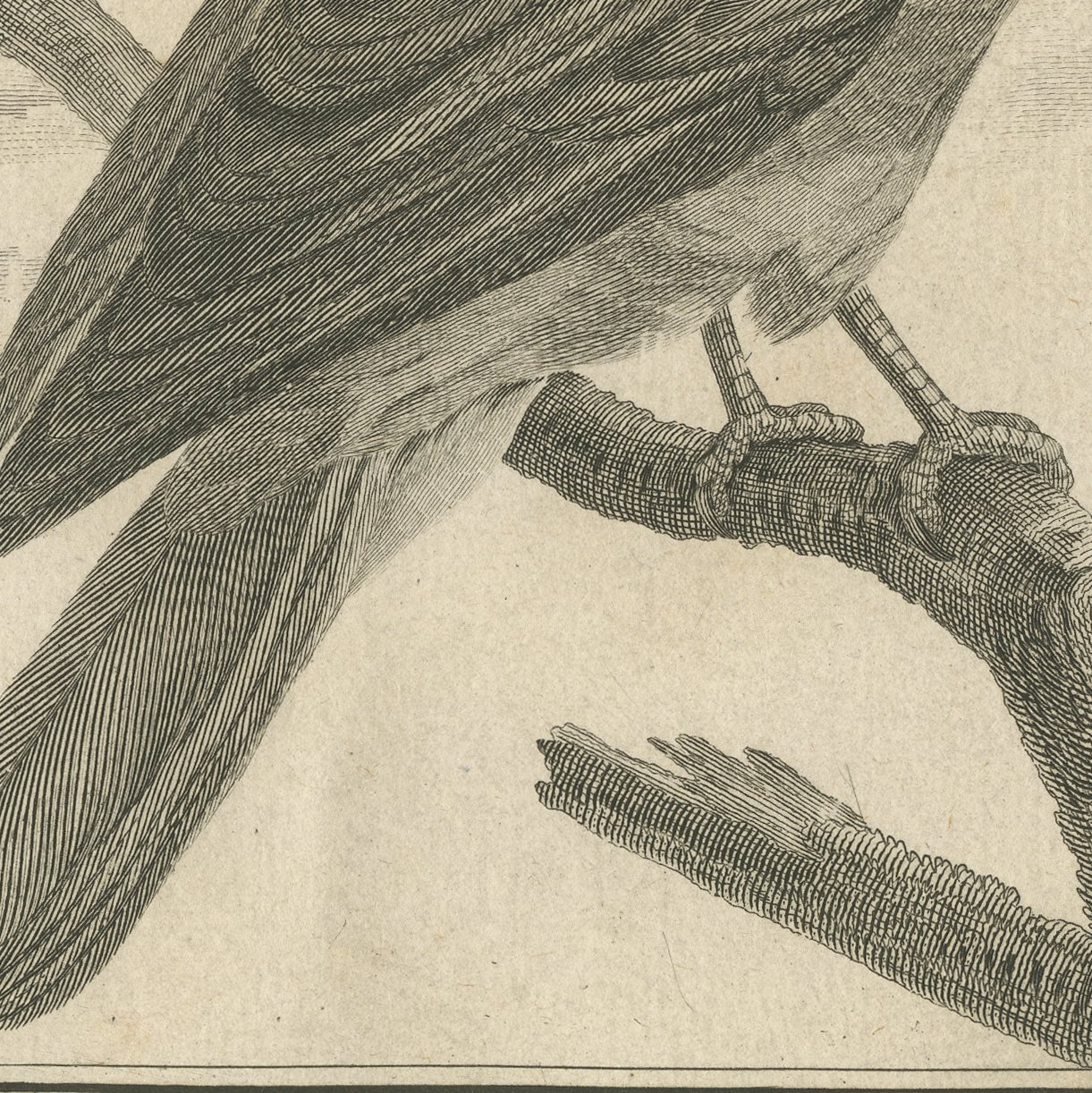
Pierre Sonnerat published his Voyage aux Indes Orientales et a la Chine in Paris in 1782, and the plates were reissued in this separate folio volume by Dentu in 1806 under the title Collection de planches pour servir au Voyage aux Indes Orientales et a la Chine. Every image was drawn by Sonnerat himself during the voyage he made for the French crown between 1774 and 1781 and then cut on copper by the Paris engravers who worked for him. They are original copperplate engravings, printed from the intaglio plates onto laid paper. The engraved plate number stands at the upper right, the artist and engraver credits run along the foot of the image and the caption is lettered beneath. The sheets are uncolored, as the plate volume was issued.
The bird plates run for nearly thirty sheets through the middle of the volume and cover the Coromandel and Malabar coasts, Gingi and Pondicherry, Malacca, China, Madagascar and the Cape. Each bird is drawn at the full height of the plate against a plain ground, usually on a branch or a rock, with the plumage worked up line by line in the engraving. Both sheets are the same size and the same orientation and come from one volume of one book, which is why they are offered as a set and not one at a time. Sonnerat is remembered in the names of the things he found. The mangrove genus Sonneratia carries his name, so does the gray junglefowl Gallus sonneratii, and the botanical author abbreviation Sonn. stands for him. He was the first to put the name aye-aye into print, and the name indri entered European use through him as well. The plates in this volume are the record of that work.
Light uneven toning, browner towards the edges. Marked handling soiling along the edges of both sheets. Scattered light foxing in the margins of both sheets. Slight wear at the corners of both sheets.
These are original antique prints, not modern reproductions. This item is sold unframed.