 The sheet, as you receive it
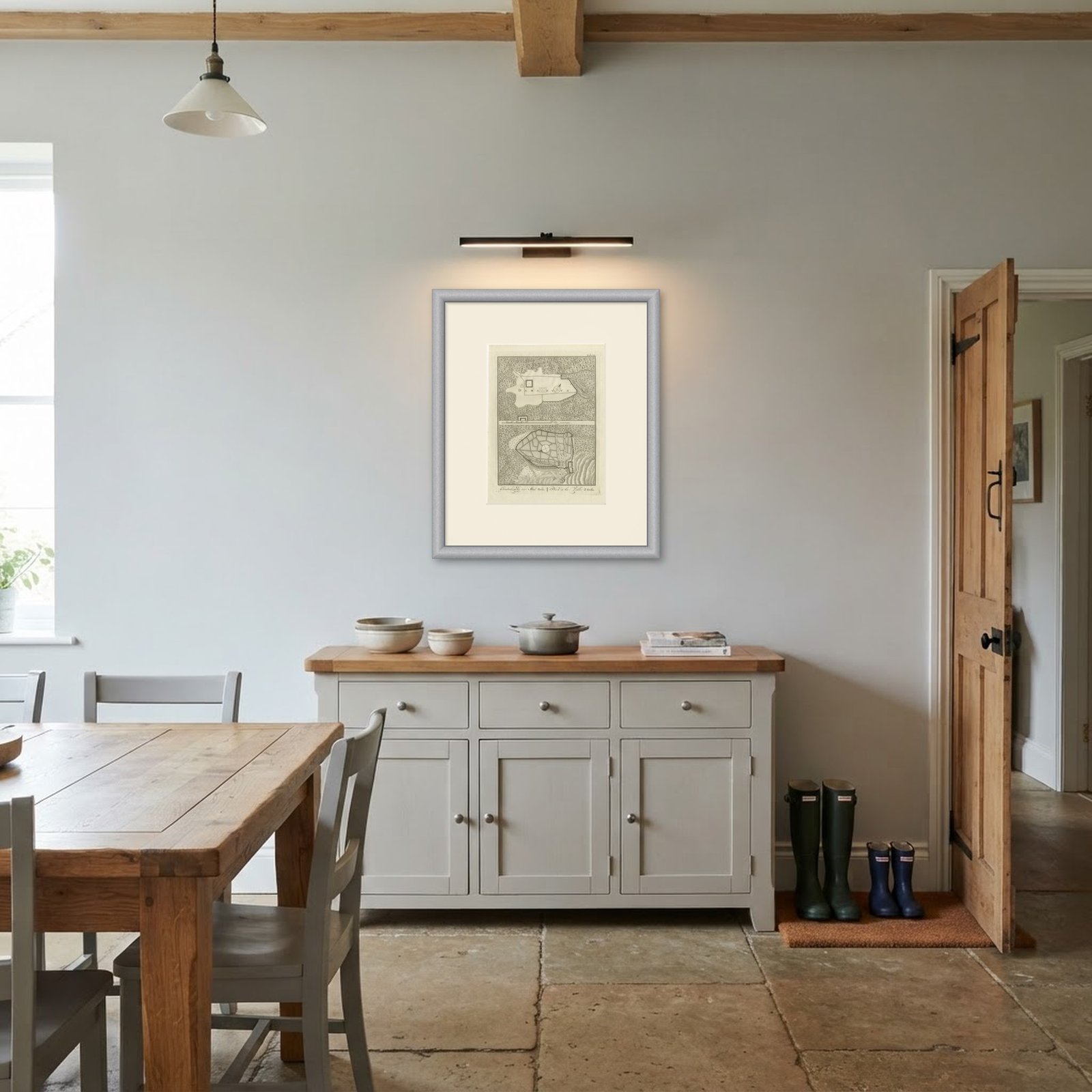 In the room
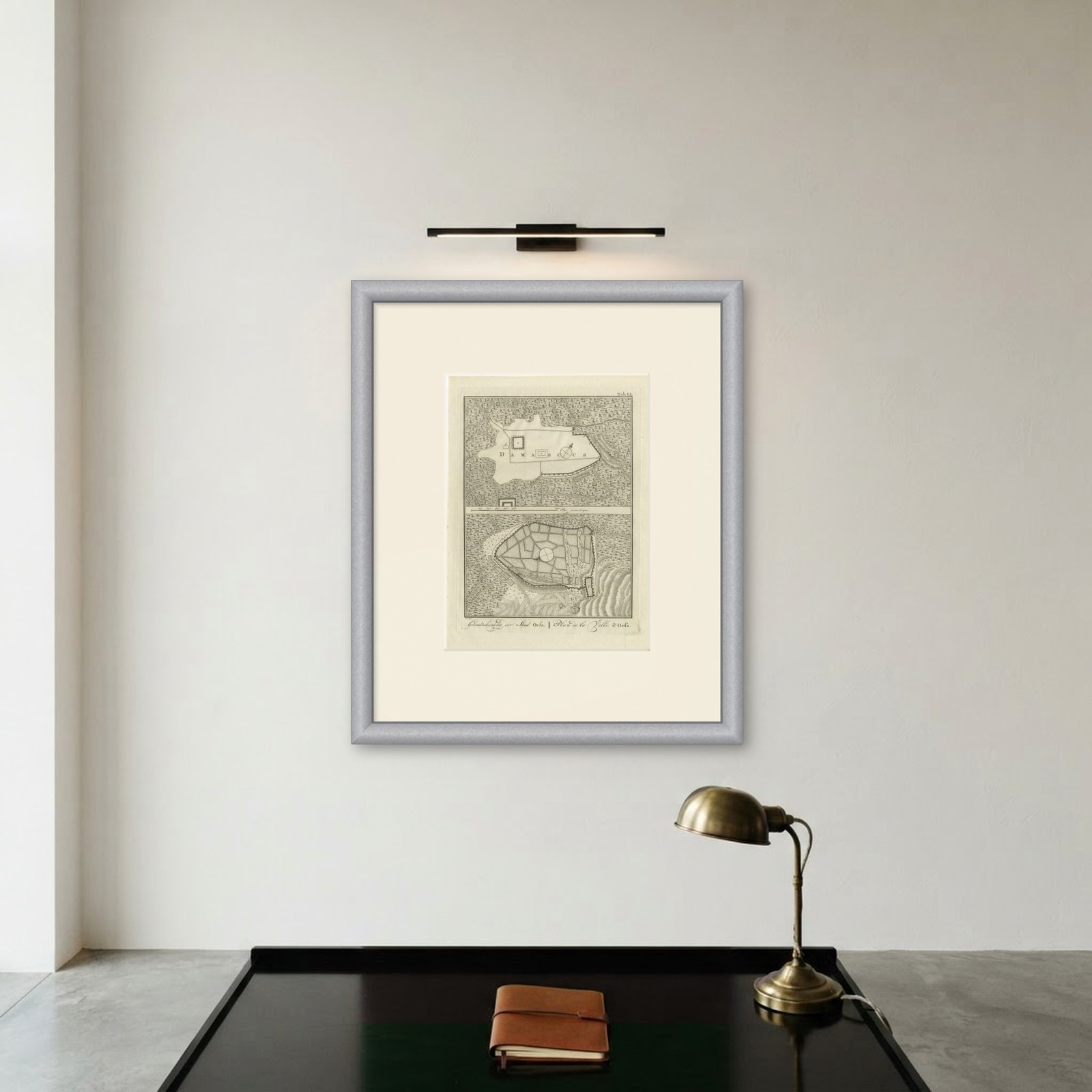
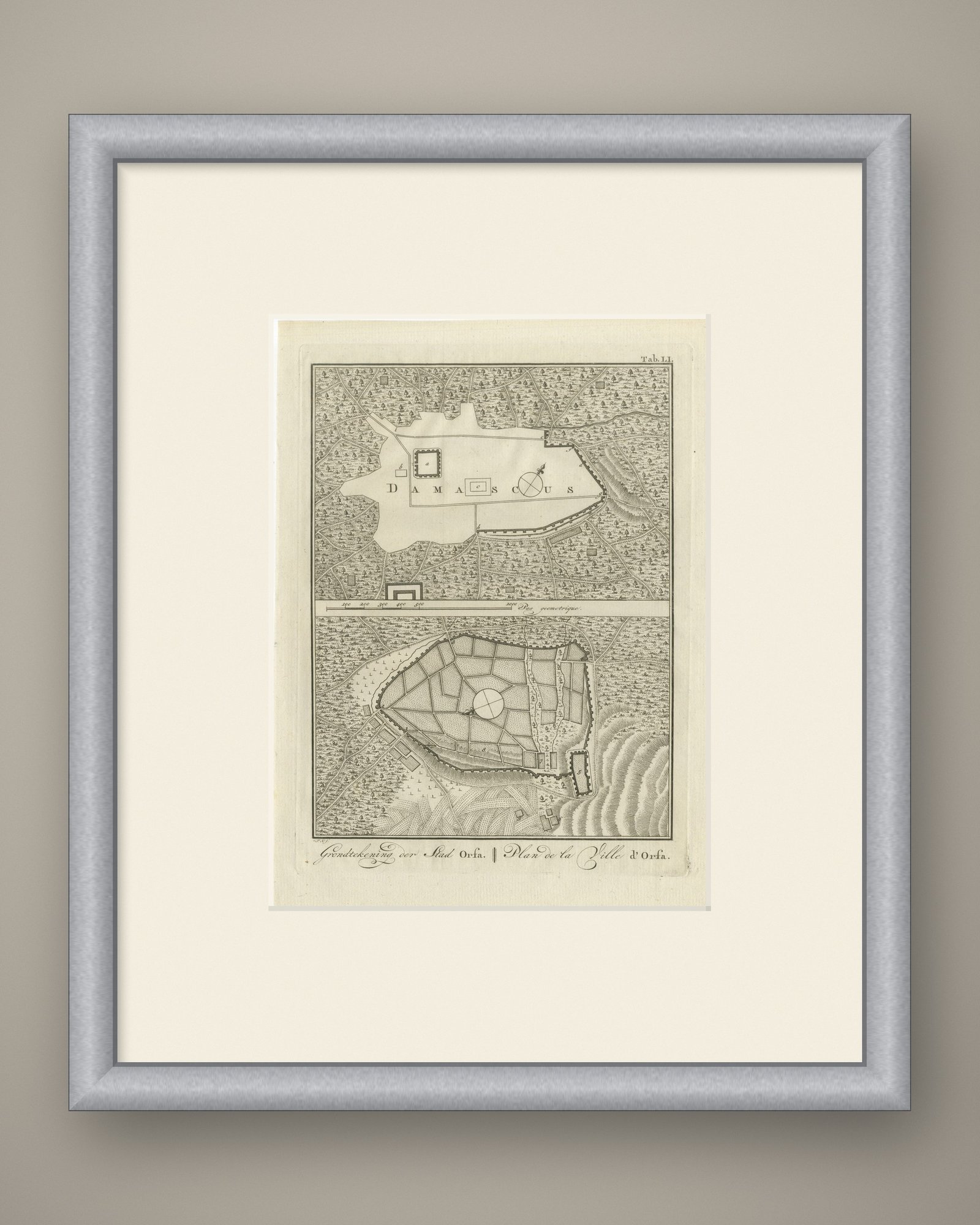
Interior designers: BarTrade members buy at their trade price. How it works
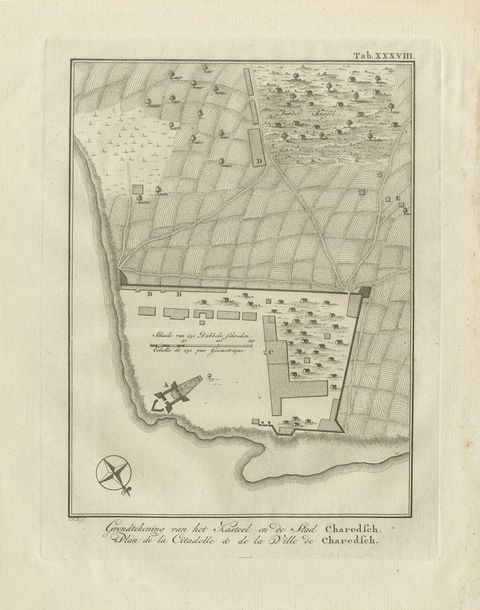
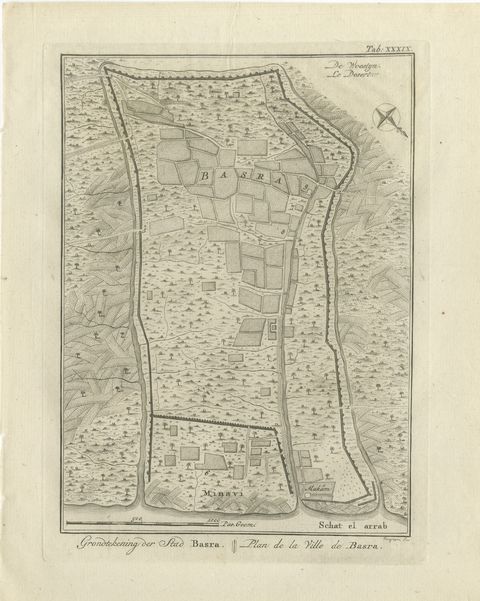
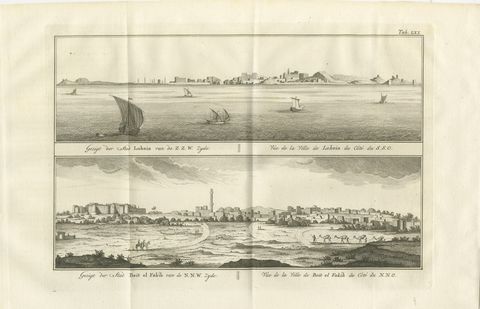
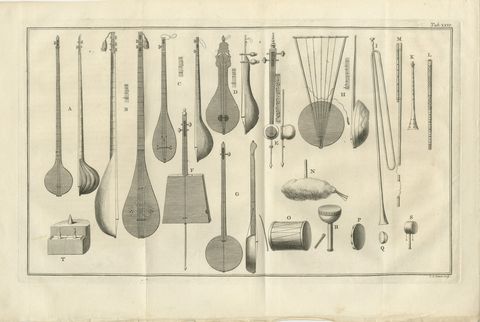
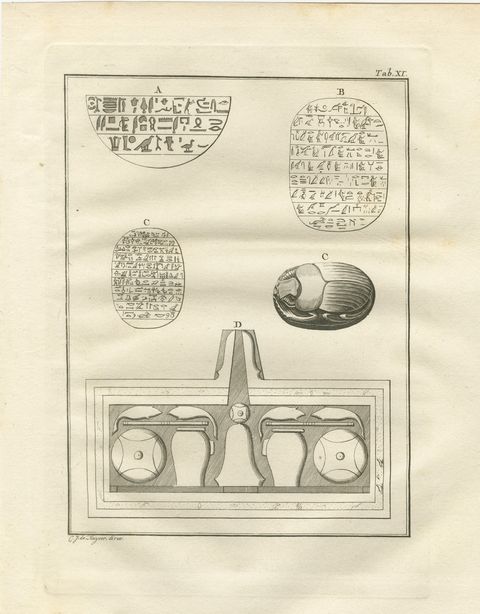
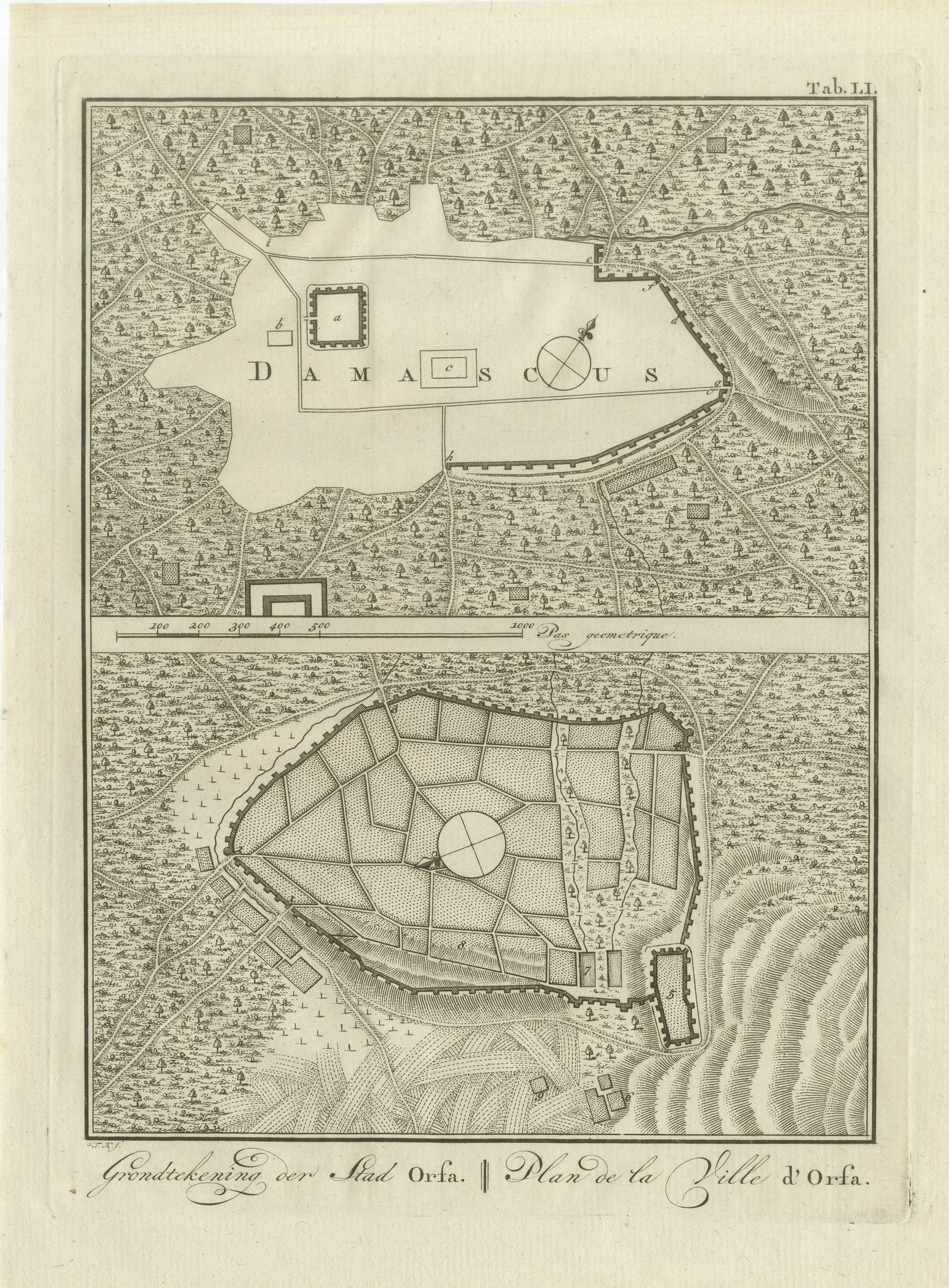
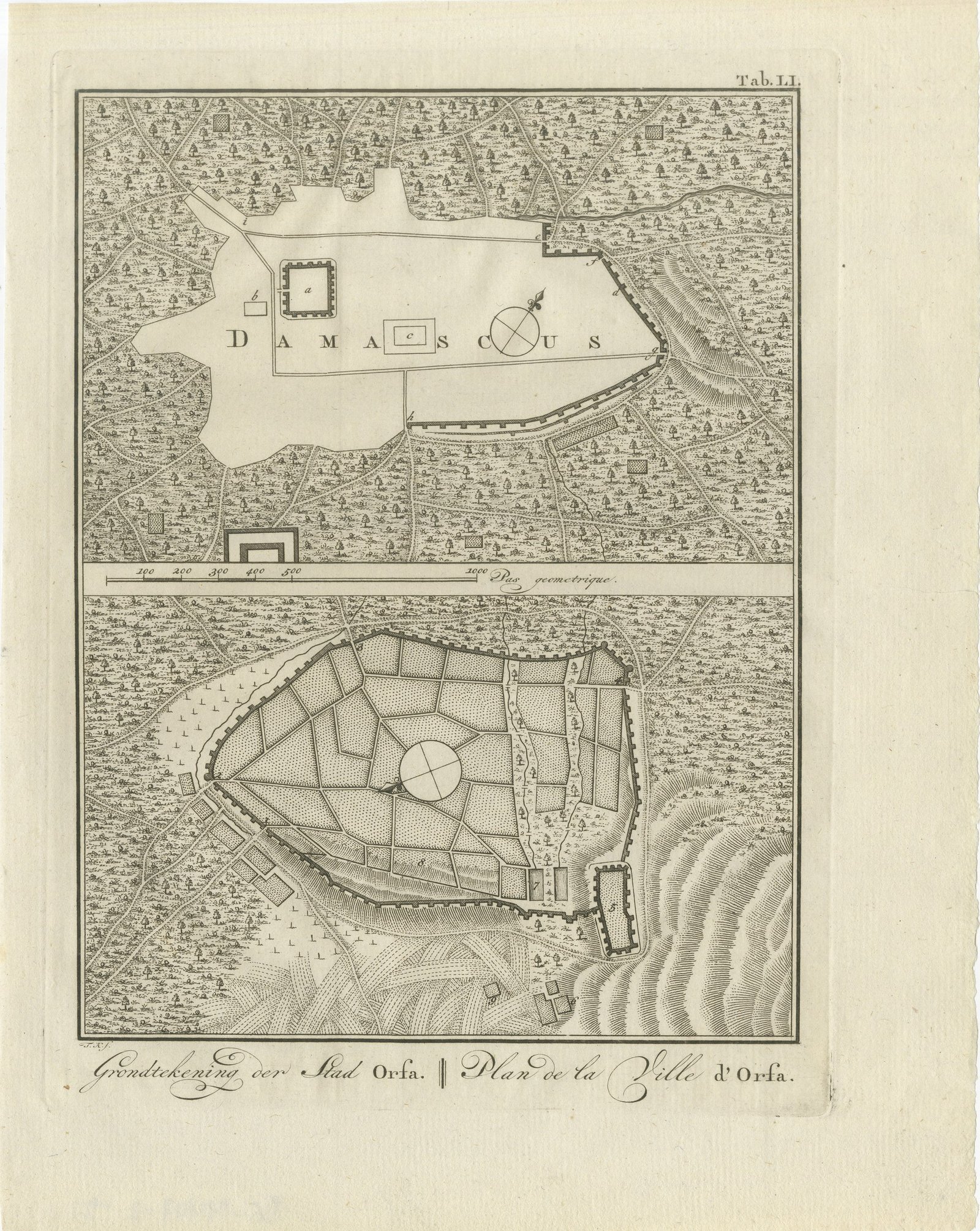
An original antique copper engraving, published in 1780, with two town plans one above the other. The caption engraved in the lower margin belongs to the lower plan and reads Grondtekening der Stad Orfa. in Dutch and Plan de la Ville d'Orfa. in French, both meaning "Plan of the City of Urfa"; the upper plan is lettered DAMASCUS across the town itself.
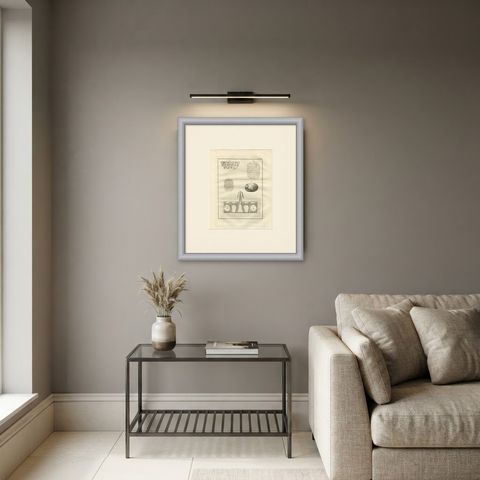
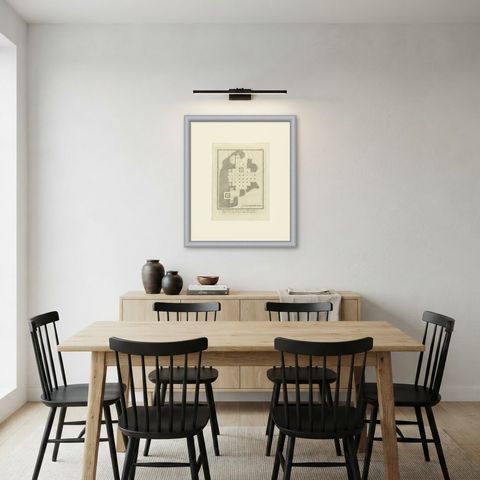
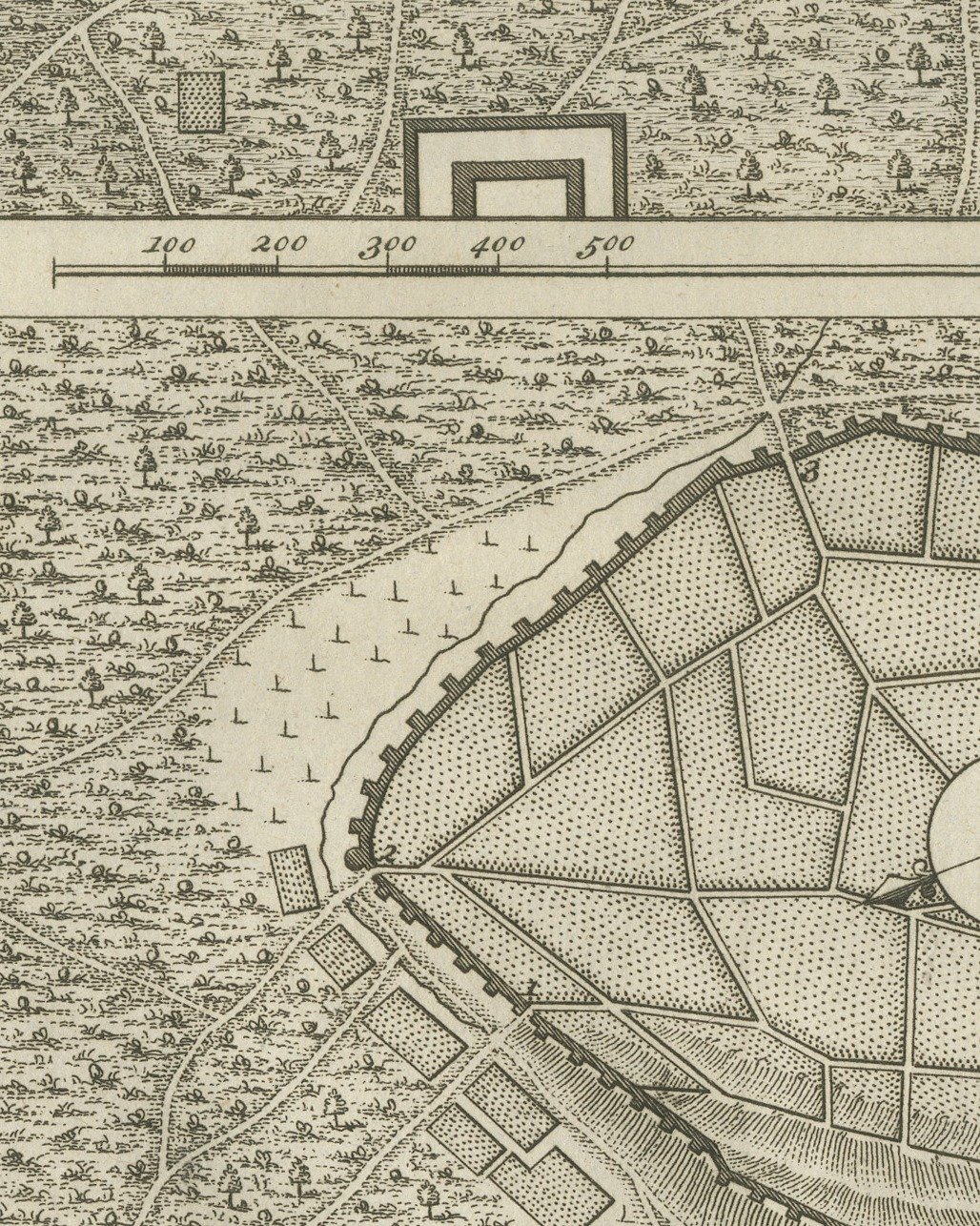
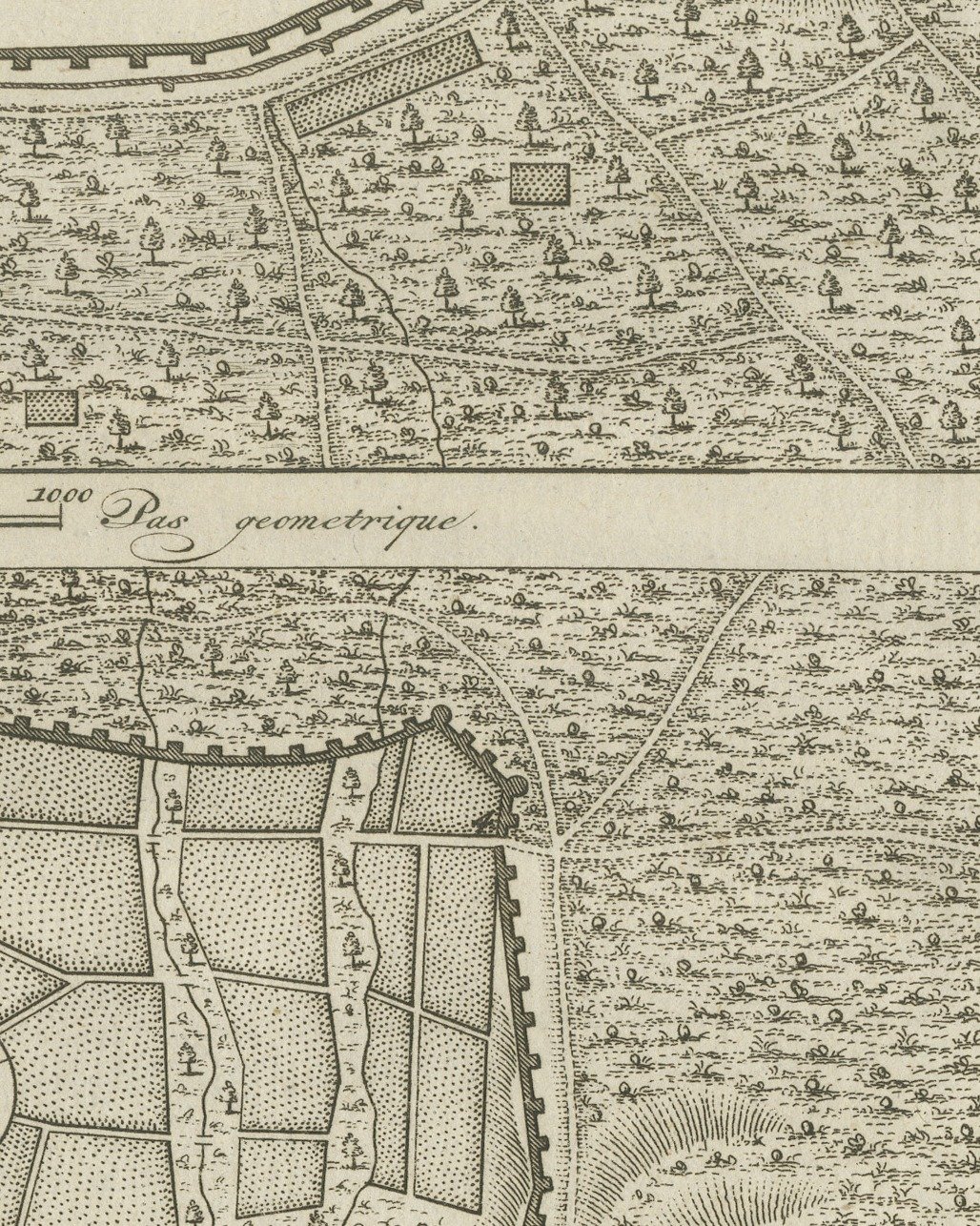
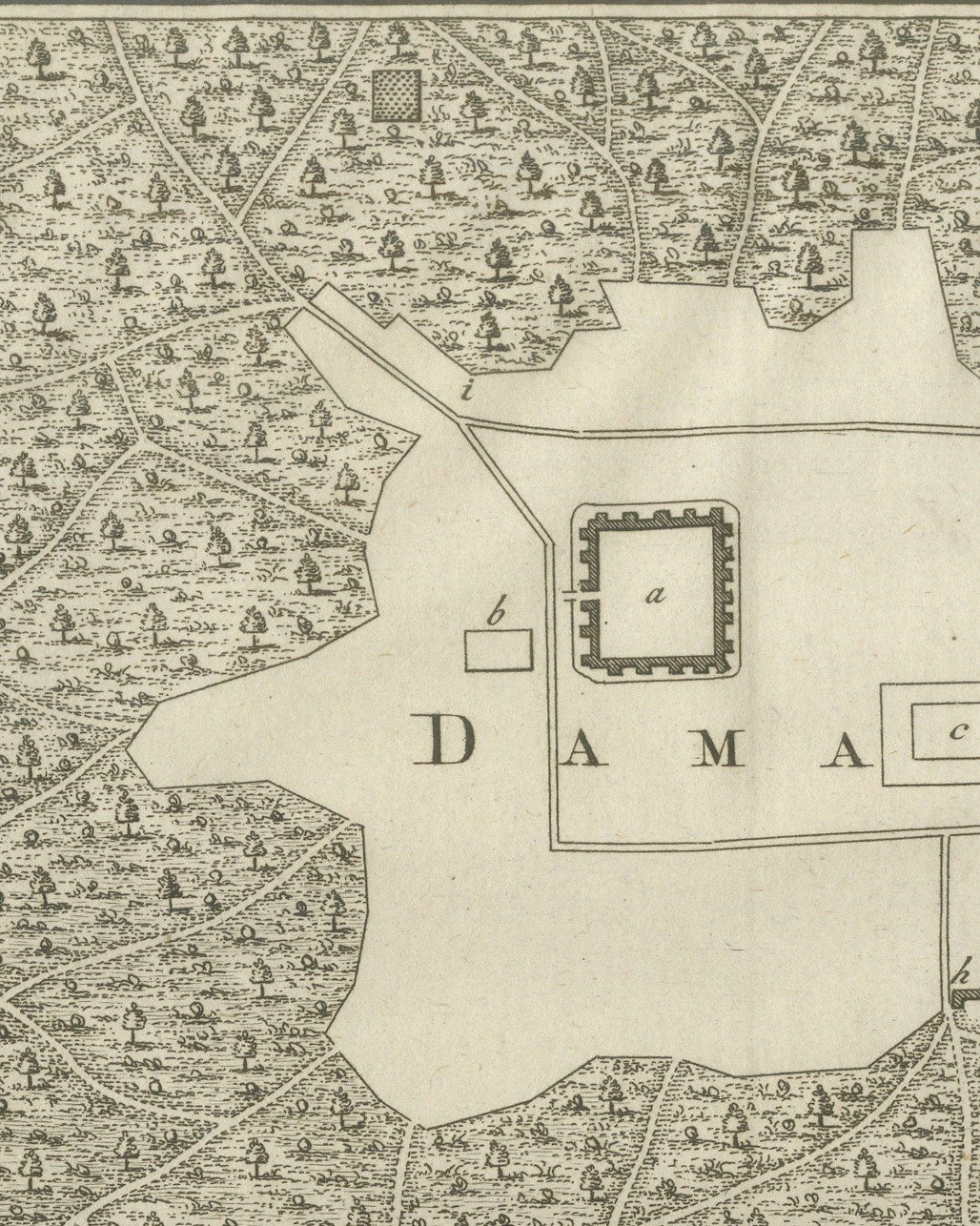
The upper plan shows Damascus as a broad open outline among dense orchards drawn tree by tree. Its right side is closed by a wall with towers, and within it are a square walled enclosure with towers marked a, a building marked b, a rectangular enclosure marked c and a compass circle. Small letters from d to i mark points around the circuit, and a stream runs along the top. A scale lettered Pas geometrique runs across the sheet between the two plans. The lower plan shows Urfa inside a towered wall, its streets and blocks drawn as a network with a compass circle in the middle. A watercourse runs down through the town on the right, and on the high ground beyond the walls at the lower right stands a separate rectangular walled stronghold marked 5. Numbers key other points, gardens lie outside the walls at the left, and the hills at the right are drawn in curving bands.
The plate number Tab. LI. is engraved at the upper right, and the credit T. K. f. is lettered below the lower left corner.
This sheet belongs to volume two of Niebuhr's Voyage en Arabie, translated from the German (Traduit de l'Allemand) and published at Amsterdam by S. J. Baalde and at Utrecht by Barthelemy Wild in 1780. Carsten Niebuhr (1733 to 1815), a German born surveyor in Danish service, was the only member of the Danish expedition to Arabia (1761 to 1767) to return alive. The expedition's artist, Georg Wilhelm Baurenfeind, died at sea in 1763.
Light uneven toning, browner toward the edges. Handling soiling along the bottom edge. Slight wear at the top left corner.
This is an original antique print, not a modern reproduction. This item is sold unframed.