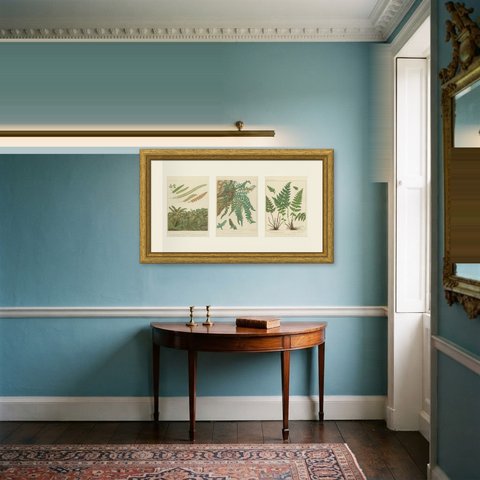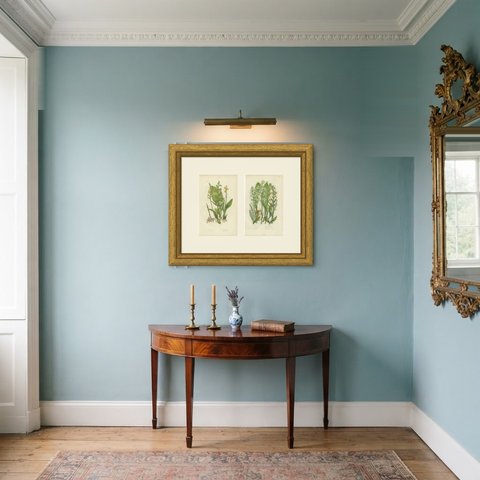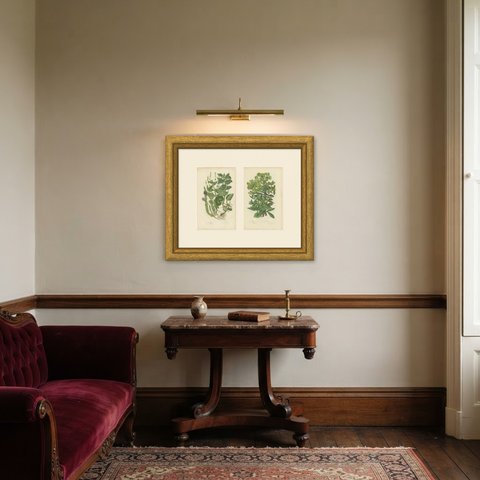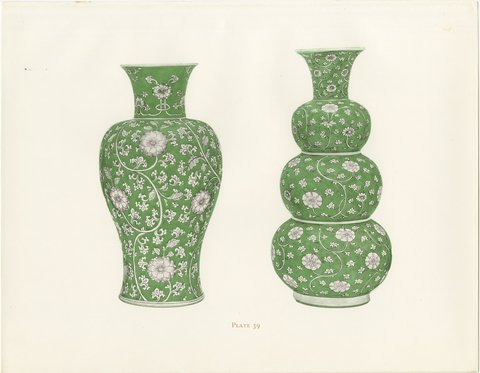
 The sheet, as you receive it
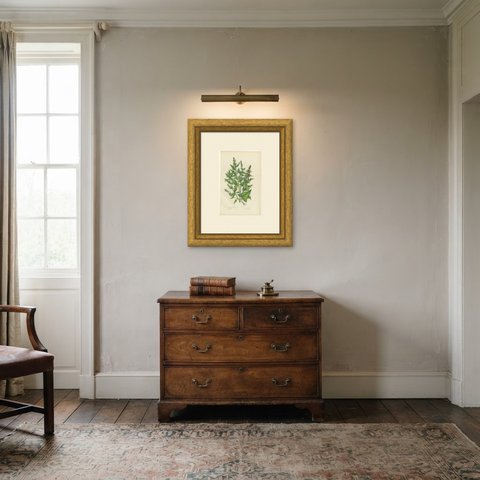
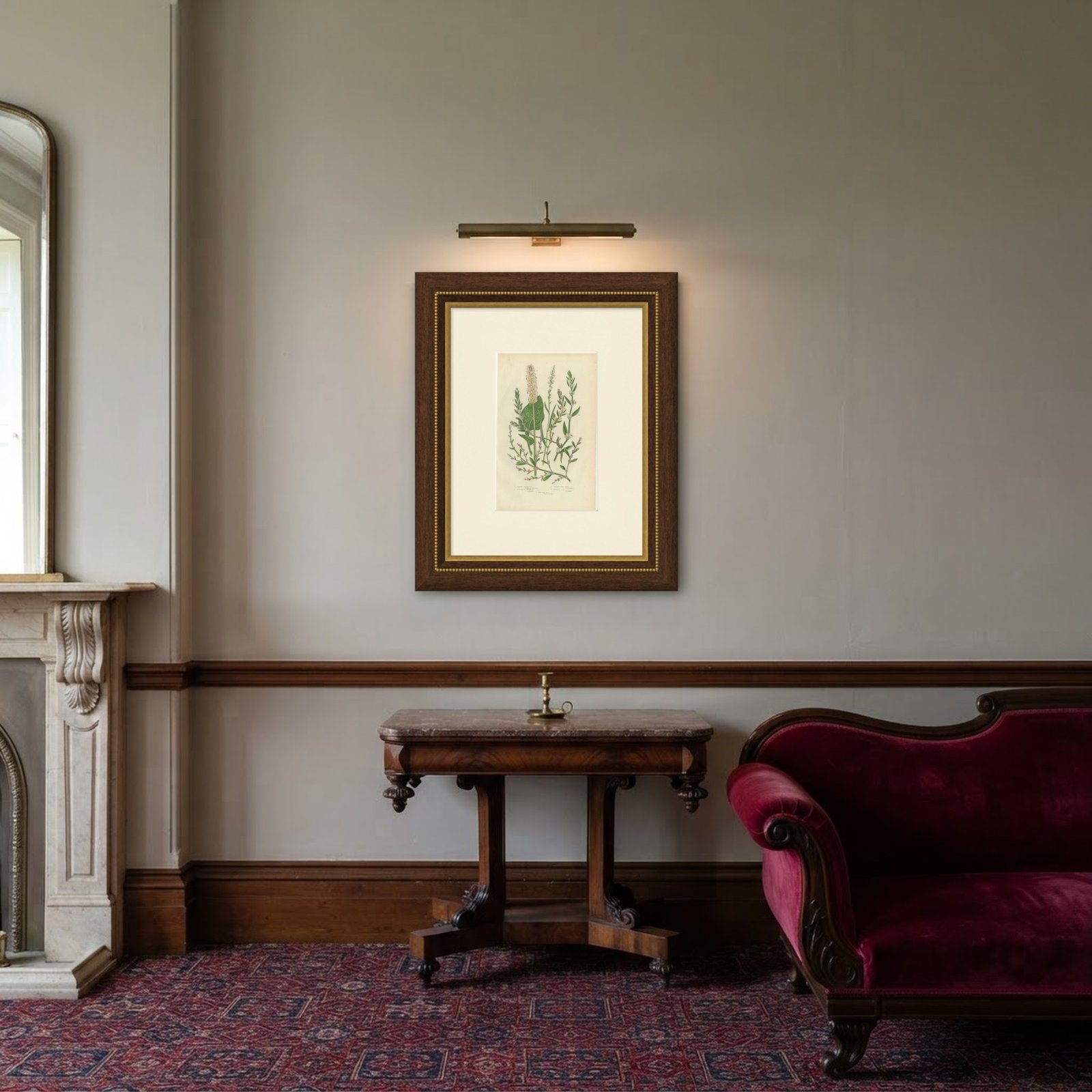 In the room
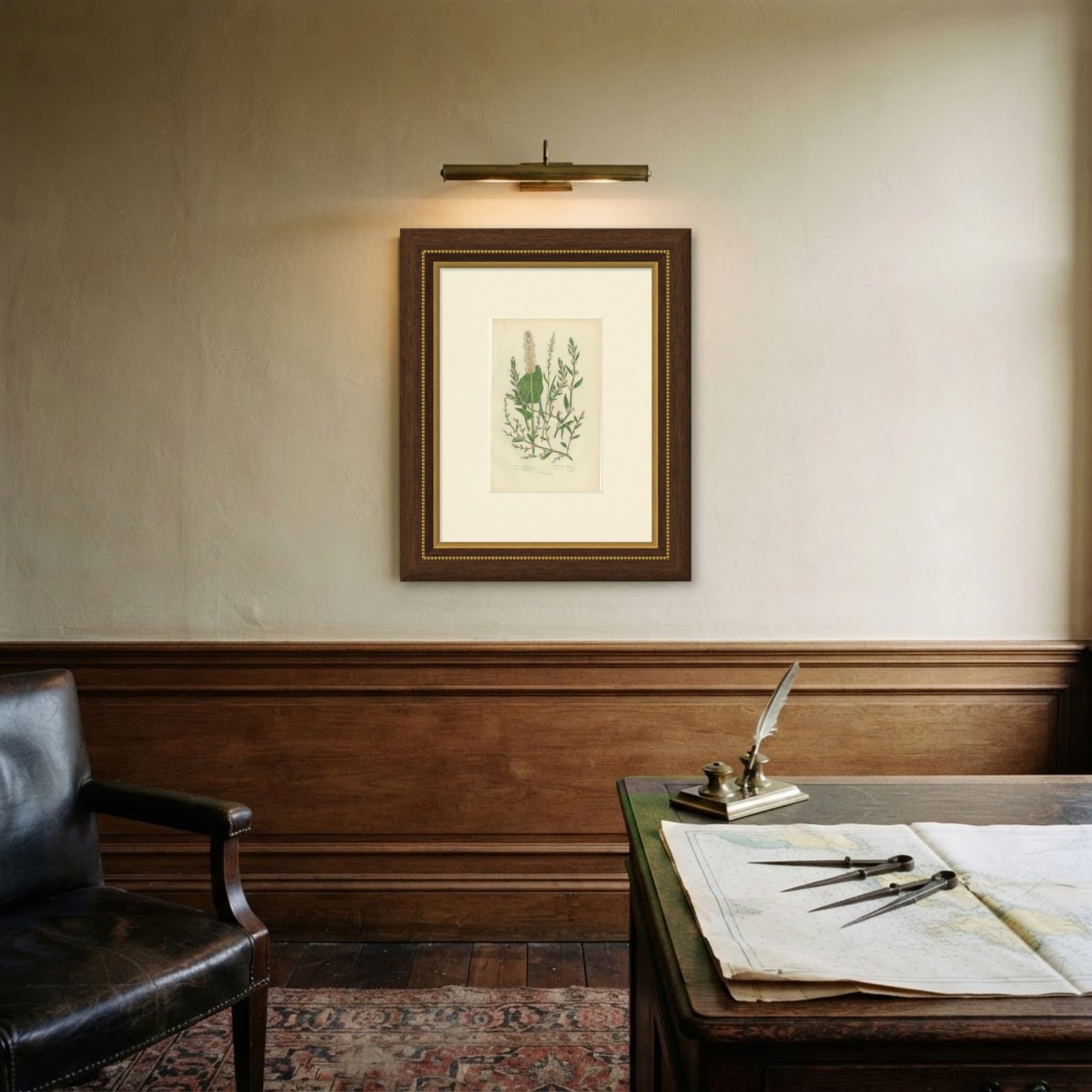
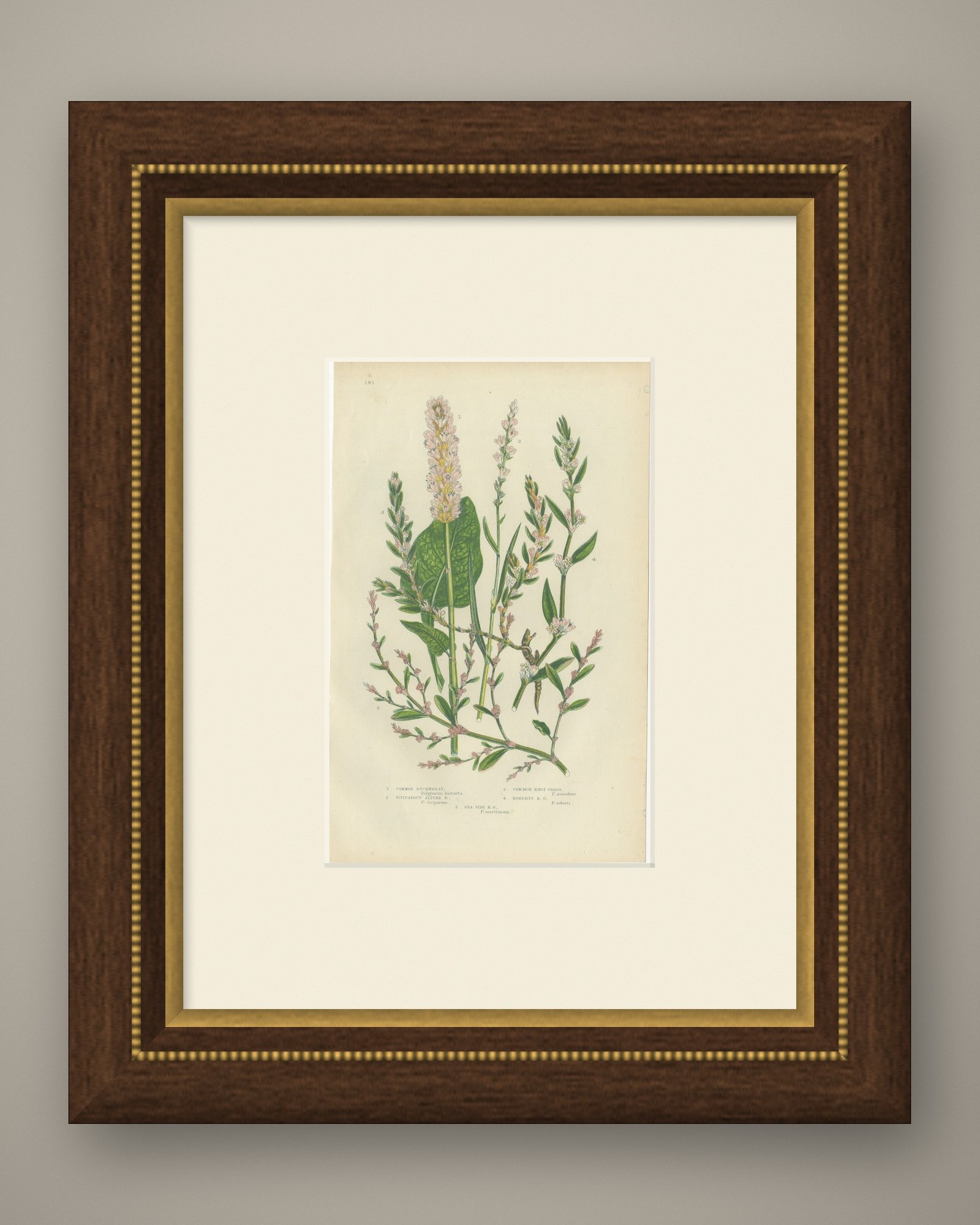
Interior designers: BarTrade members buy at their trade price. How it works
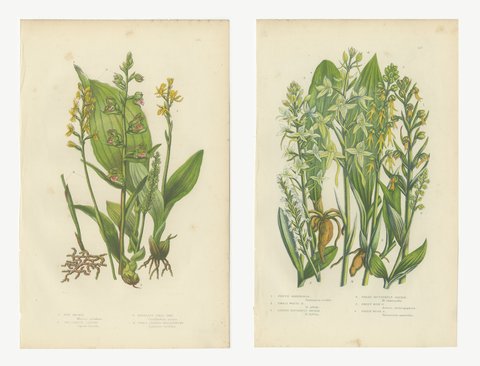
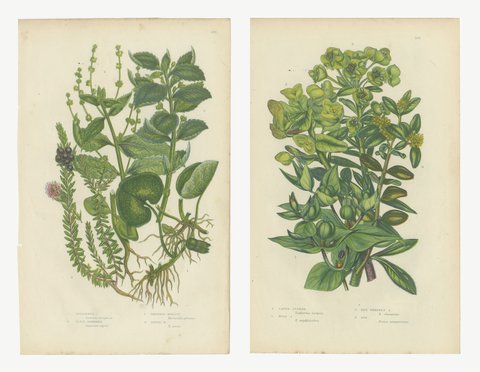
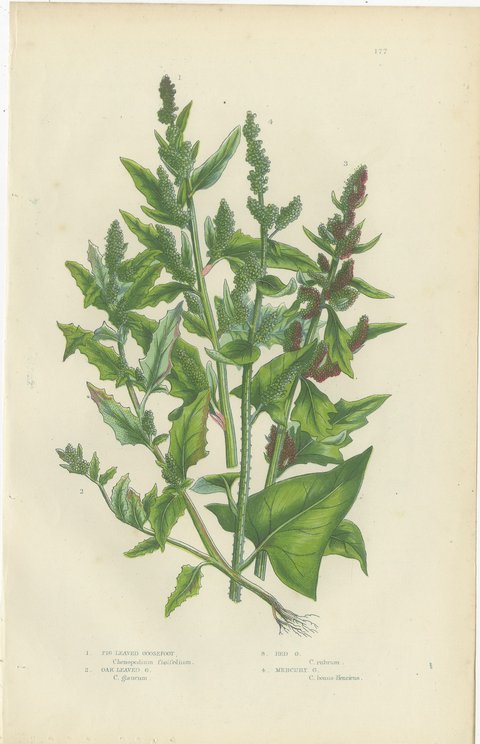
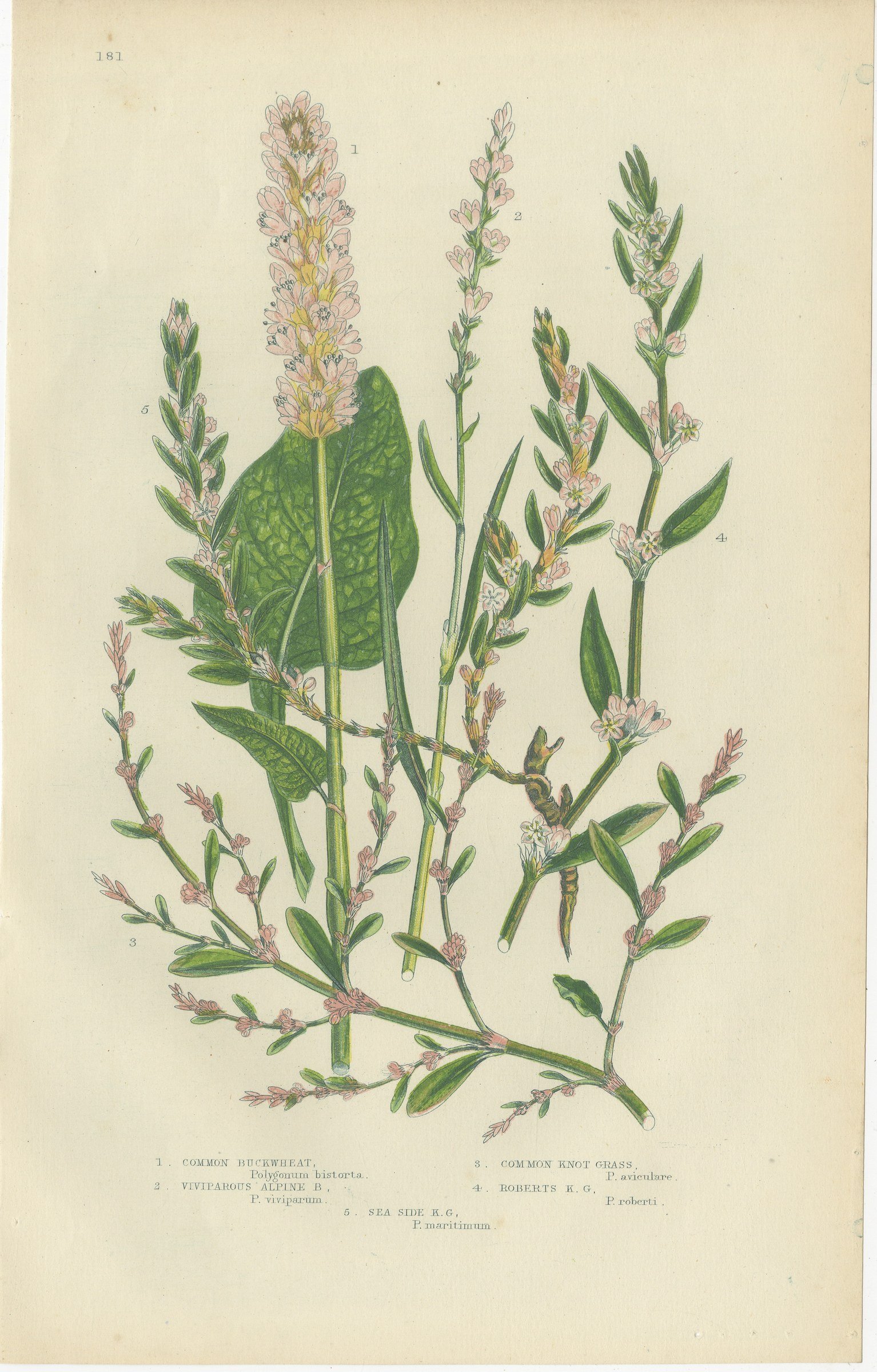
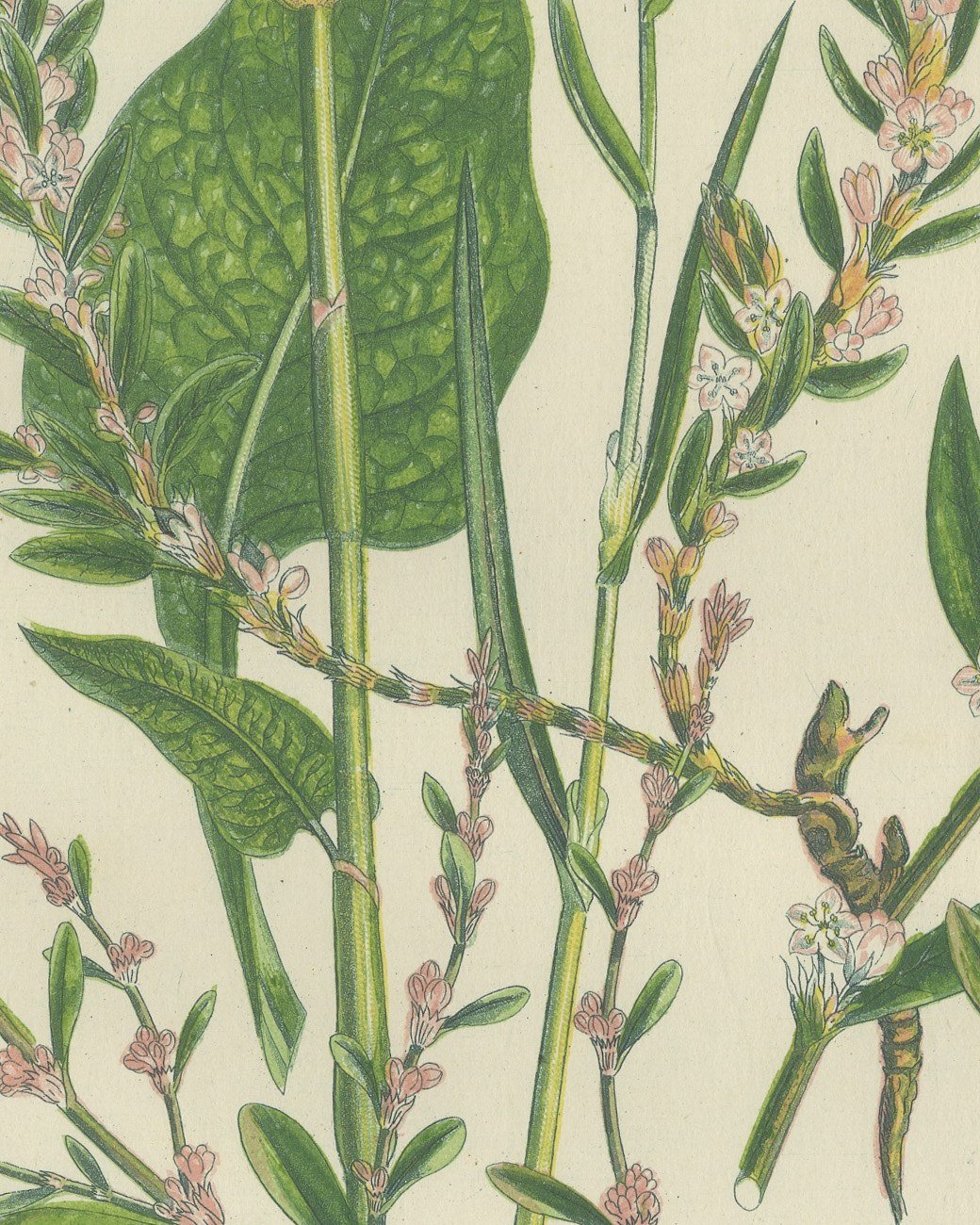
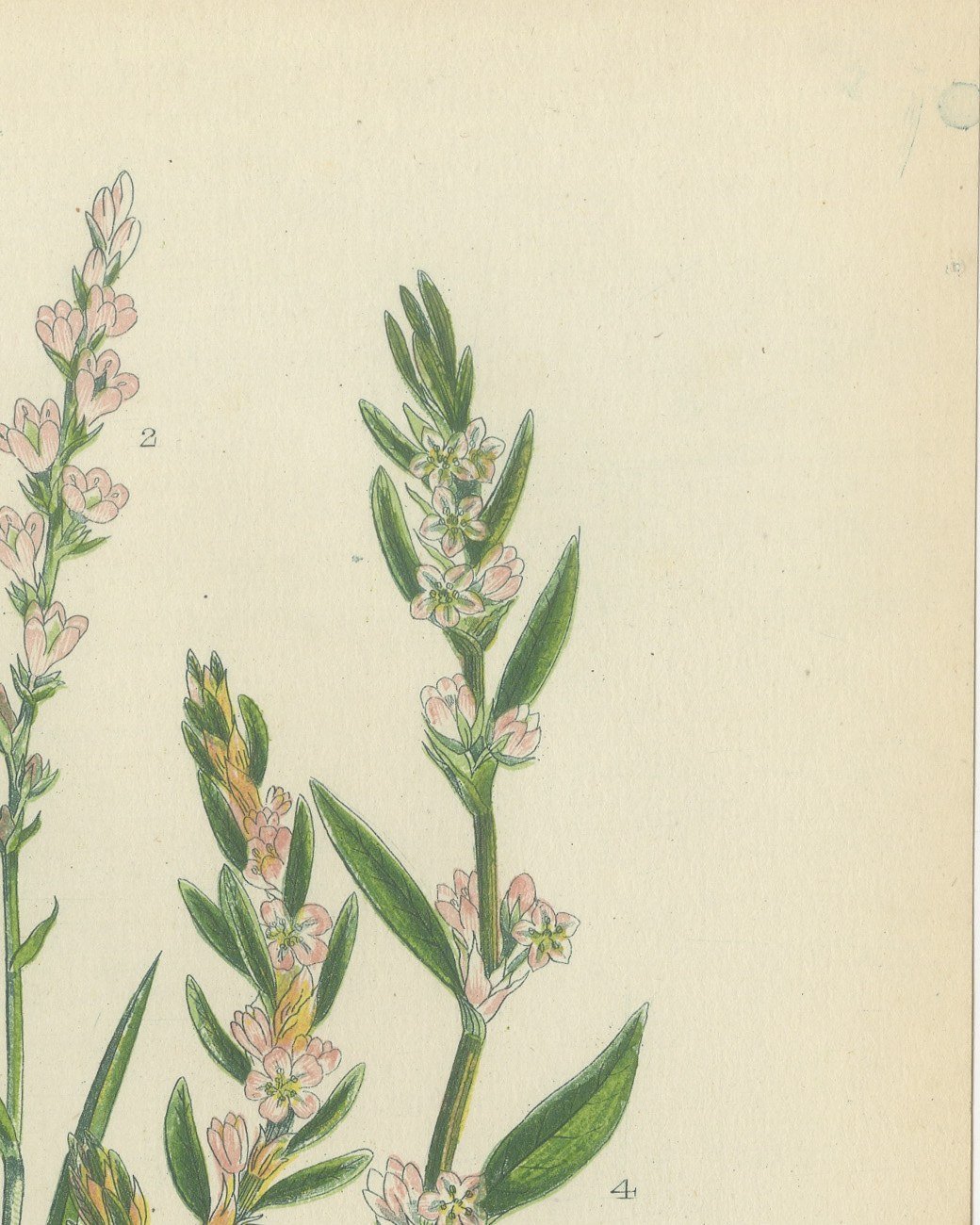
Printed in color in London for Frederick Warne and Co., this original antique plate from Anne Pratt's British flora shows the common bistort with the viviparous alpine bistort and three knot grasses. A thick pale pink spike of Polygonum bistorta stands at the top of the sheet above a single broad dark green leaf, and the slender alpine bistort rises beside it carrying small bulbils in place of its lower flowers. The knot grasses trail across the whole lower half of the page with wiry stems, narrow leaves and tiny pink and white flowers set in the leaf joints.
The plate belongs to The Flowering Plants, Grasses, Sedges, and Ferns of Great Britain, London, Frederick Warne and Co., the illustrated flora that Anne Pratt wrote and drew and that the Society for Promoting Christian Knowledge put its name behind. Volume IV, from which this sheet comes, carries the bindweeds, the gentians, the labiates, the primroses and the docks, and its title page names the New York house of Scribner, Welford and Armstrong as well as Warne in London.
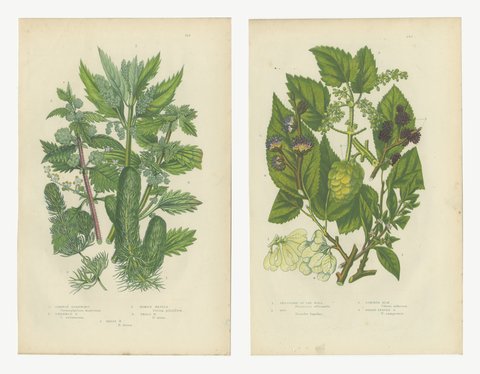
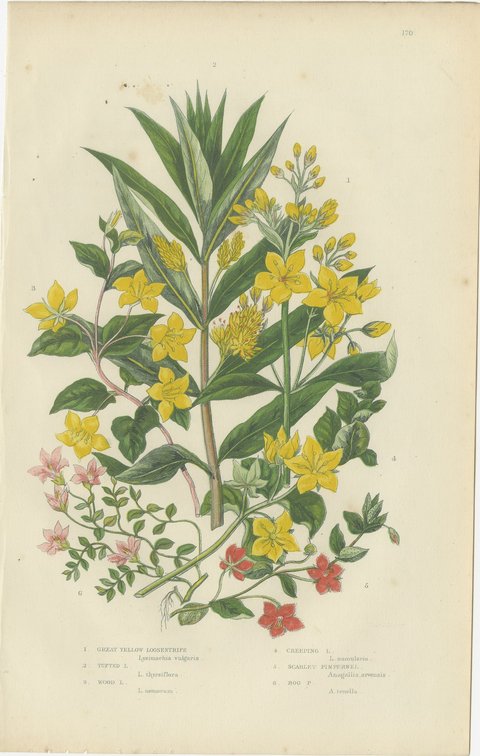
A plate from this flora carries its period in every line: the close observation, the crowded but orderly arrangement, the soft printed color laid over careful outline. It sits as comfortably in a modern interior as in a Victorian one, and it has the advantage over a single flower study of giving several related plants together, which makes it rewarding to look at more than once.
Even age toning. Marked handling soiling along all four edges. Slight wear at the bottom right and top left corners. Minor edge wear, shallow nicks along the left.
This is an original antique print, not a modern reproduction. This item is sold unframed.